

A journal of contemporary art and creative practice
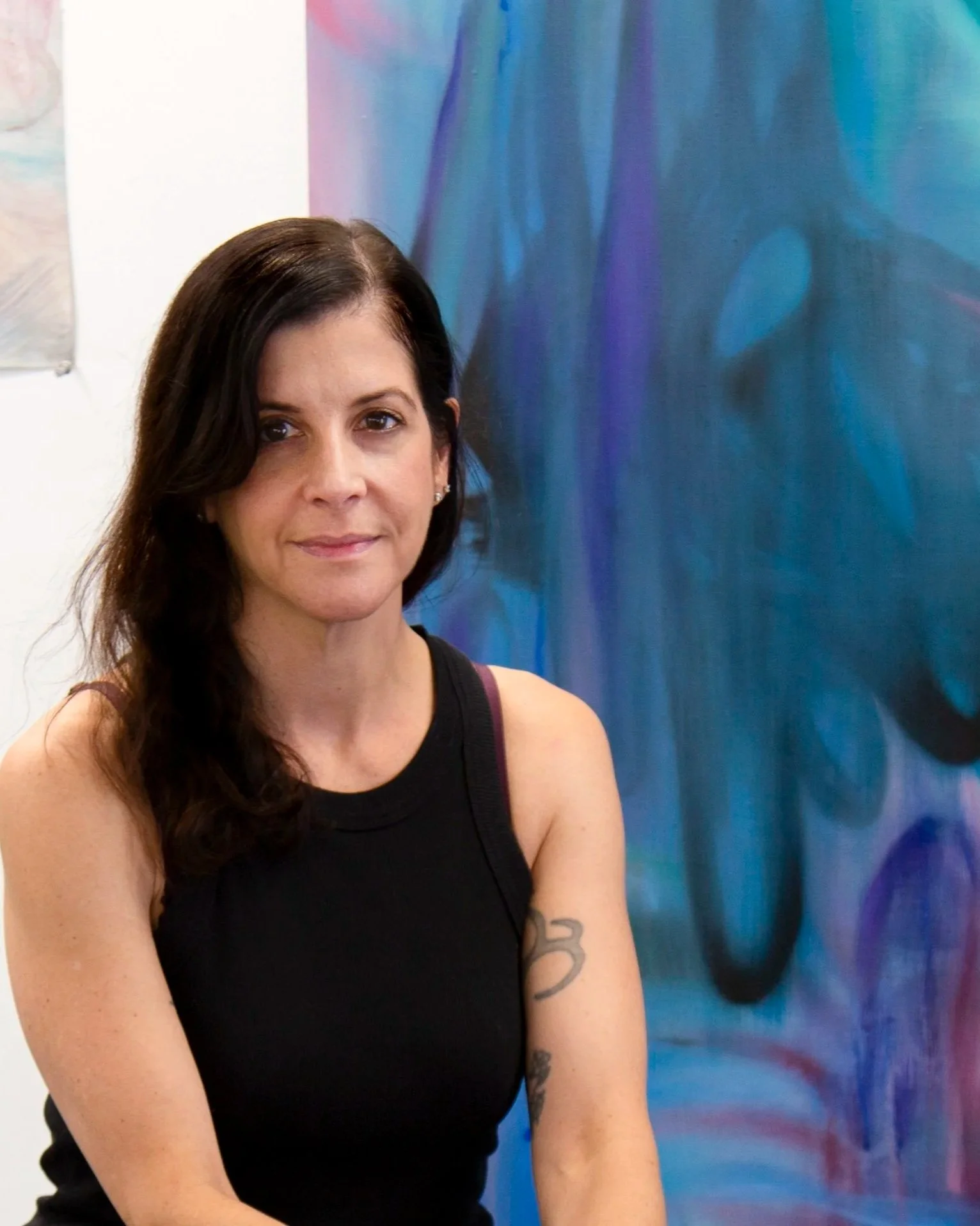
SYDNEY CROSKERY ON HOPE, POLITICS, AI, AND UGLY DUCKLINGS
In conversation, artist Sydney Croskery reflects on abstraction, beauty, ugliness, politics, AI, and hope. She discusses how her paintings emerge through an intuitive process, responding to the chaos of the world while searching for balance, serenity, and connection. From her shift away from realism to her thoughts on technology and the handmade, Croskery explores how art can remain open, personal, and hopeful in a complicated world.
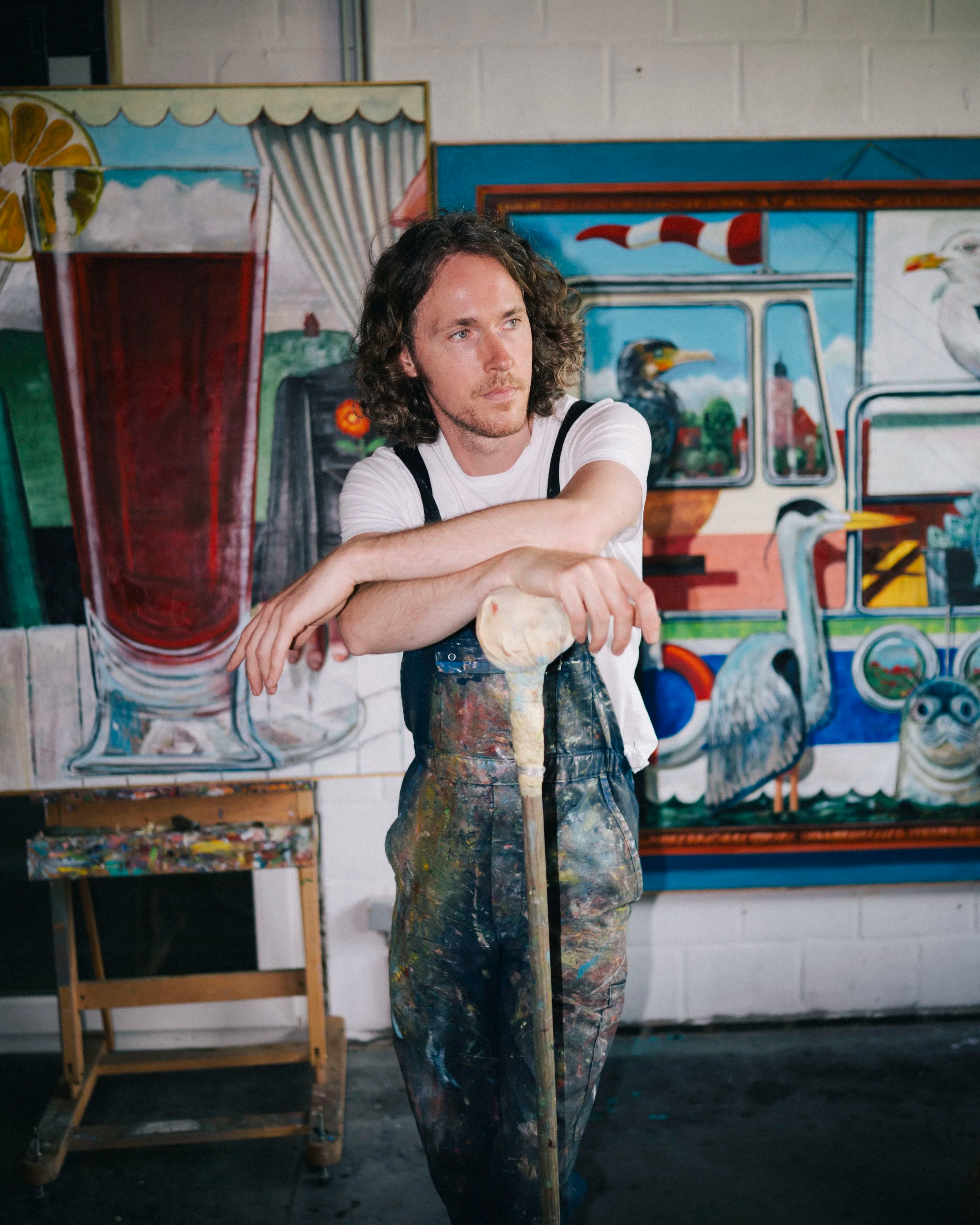
KRISTOF SANTY ON REPETITION, RHYTHM AND THE LIFE OF THINGS
For Kristof Santy, an egg, a bicycle or a piece of furniture can become something larger than itself. Working between observation and abstraction, the Belgian painter transforms familiar fragments of everyday life into images that feel at once immediate and strangely timeless. Largely self-taught, Santy developed his practice alongside factory work before his paintings came to wider attention in 2021. Now, on the occasion of the BOLERO exhibition at Sorry We’re Closed in Brussels, he reflects on repetition, folk traditions, the rhythms of Ravel, and his recent move into copper — exploring how an image can accumulate meaning while resisting a single story.
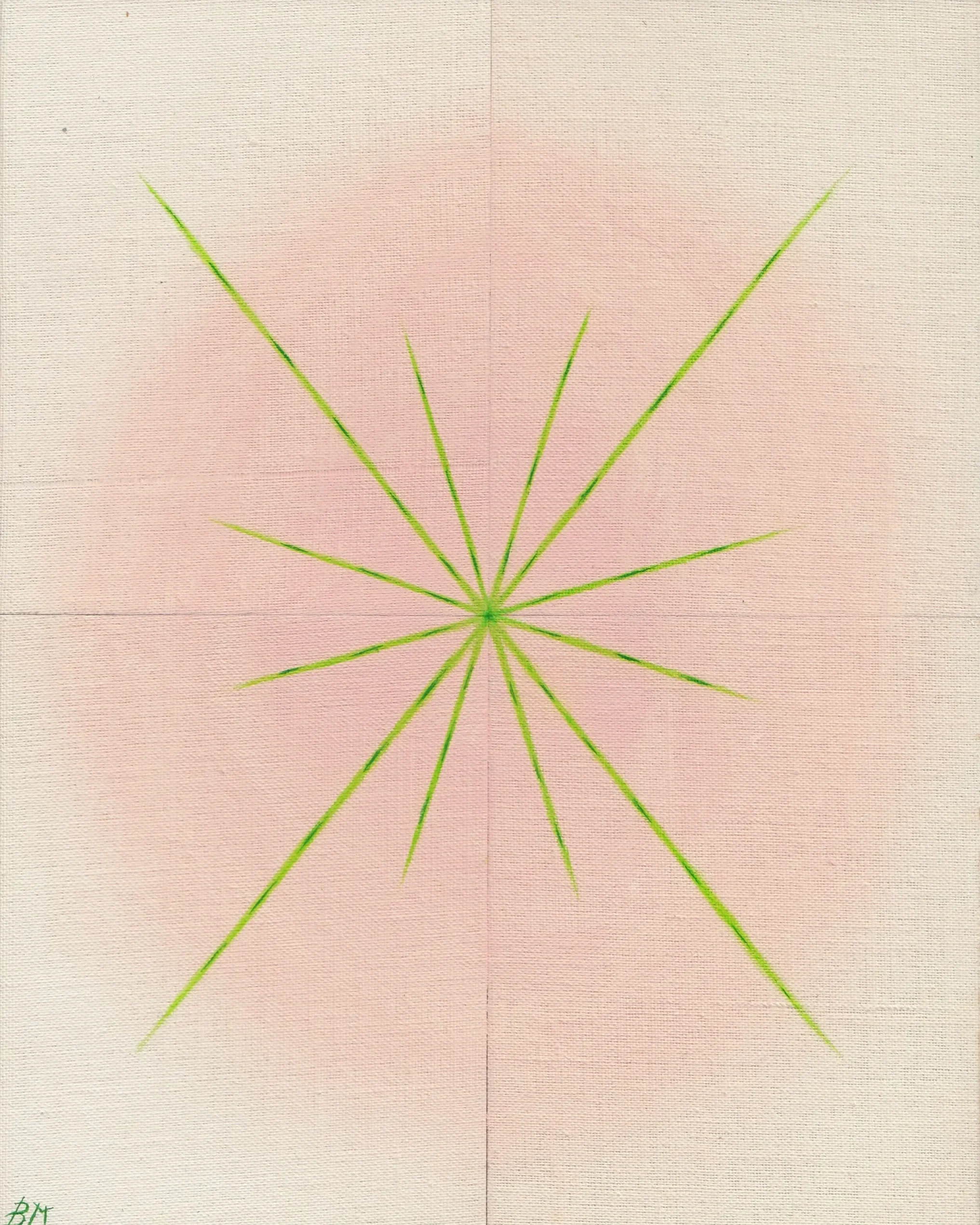
"BUONA LA PRIMA": A CONVERSATION ON INSTINCT, COLOR, AND CHANNELING
Benedetta Manzino works fast and doesn't look back. Working under the name bm.artstudio from the privacy of her own studio, she builds each canvas from four joined panels of cardboard, fusing them into a single surface while deliberately leaving the seams visible, as though the work wanted to remember how it was made.
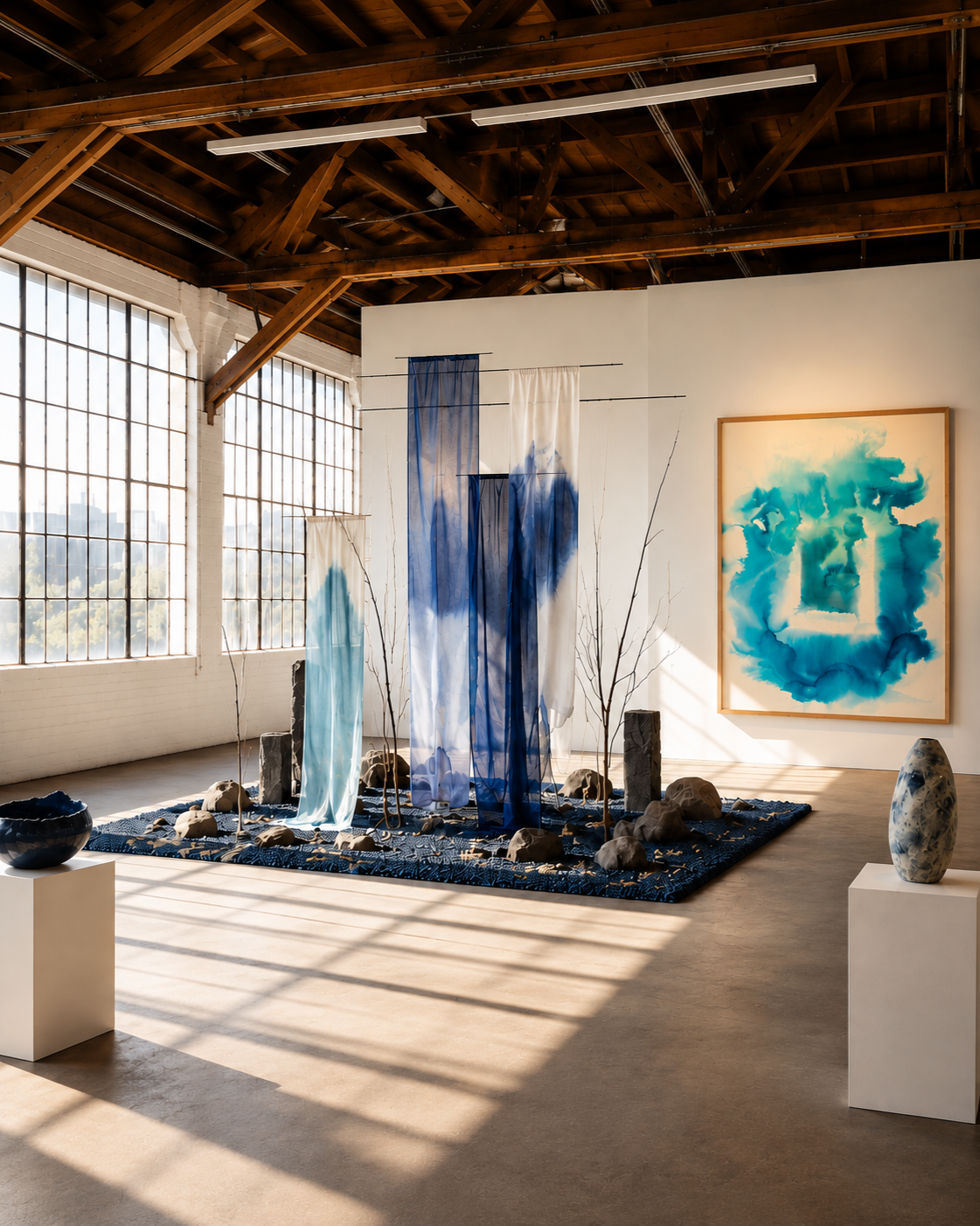
VOLTAGE OF HOPE: THE POP-UP PROJECT BRINGS SIXTY ARTISTS TO L.A.’S ARTS DISTRICT
Voltage of Hope, the newest exhibition from The Pop-Up Project, reframes hope not as a passing mood but as an active choice — one artists make again and again by continuing to create. Running September 19–24 at Mica Studios in LA's Arts District, the show brings together over 60 international artists across painting, sculpture, photography, installation, and mixed media, exploring themes of resilience, transformation, identity, and renewal.
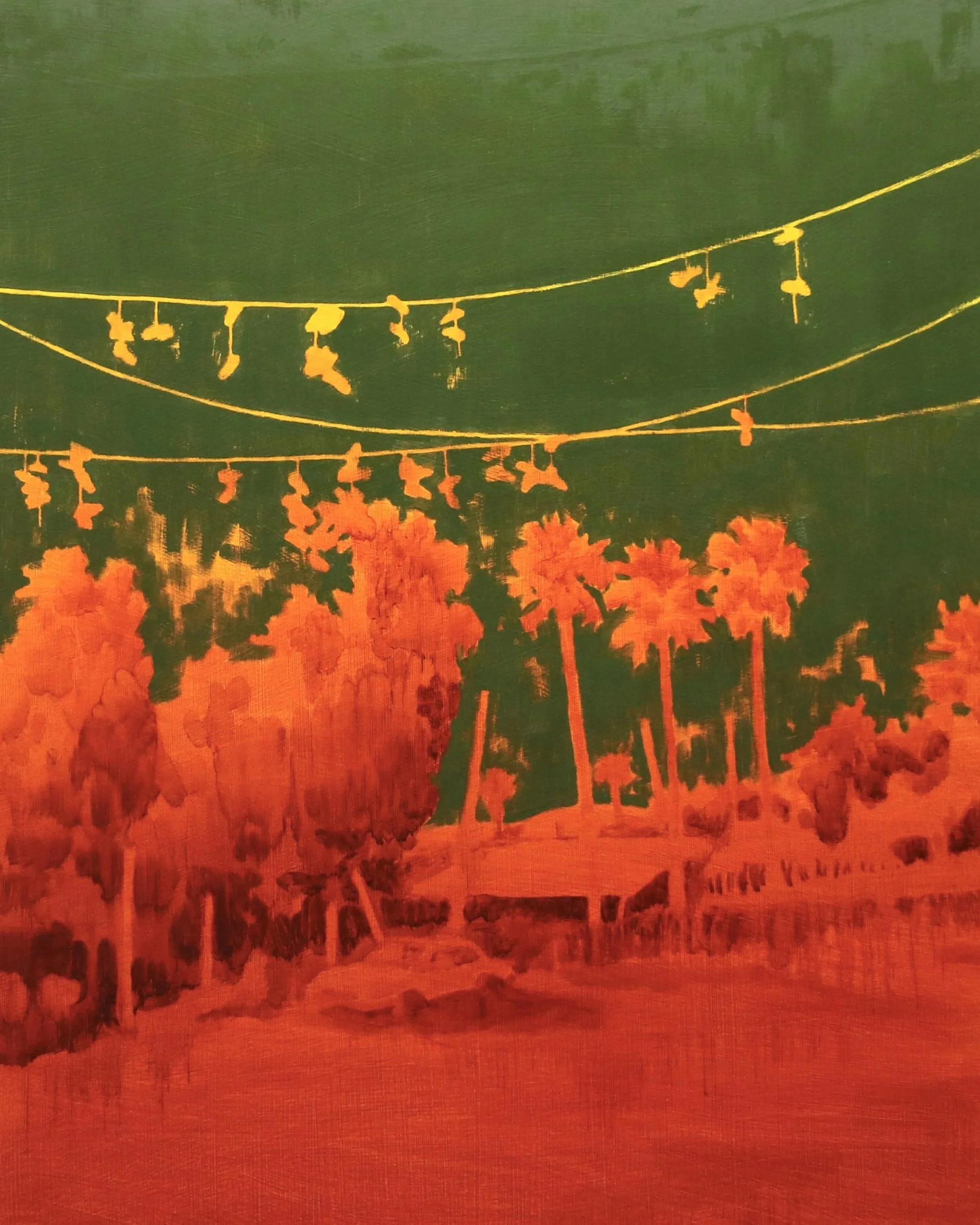
THE SPACE BETWEEN: DIEGO HERMAN ON FENCES, BELONGING AND THE POLITICS OF LANDSCAPE
Belgian-Mexican artist Diego Herman approaches painting through the spaces we inhabit, divide and attempt to make our own. Fences, roadside landscapes, vegetation and captive animals become recurring subjects through which he explores belonging, displacement and the uneasy boundaries between humans and nature. Moving between traditional oil painting and experimental processes involving spray paint, imprints and thermal imagery, Herman is interested in what happens when apparently ordinary spaces begin to reveal something more personal—and more political. In this conversation, he reflects on the autobiographical nature of his practice, his fascination with fences and liminal spaces, the seductive violence of thermal imagery, and the search for a place to belong.
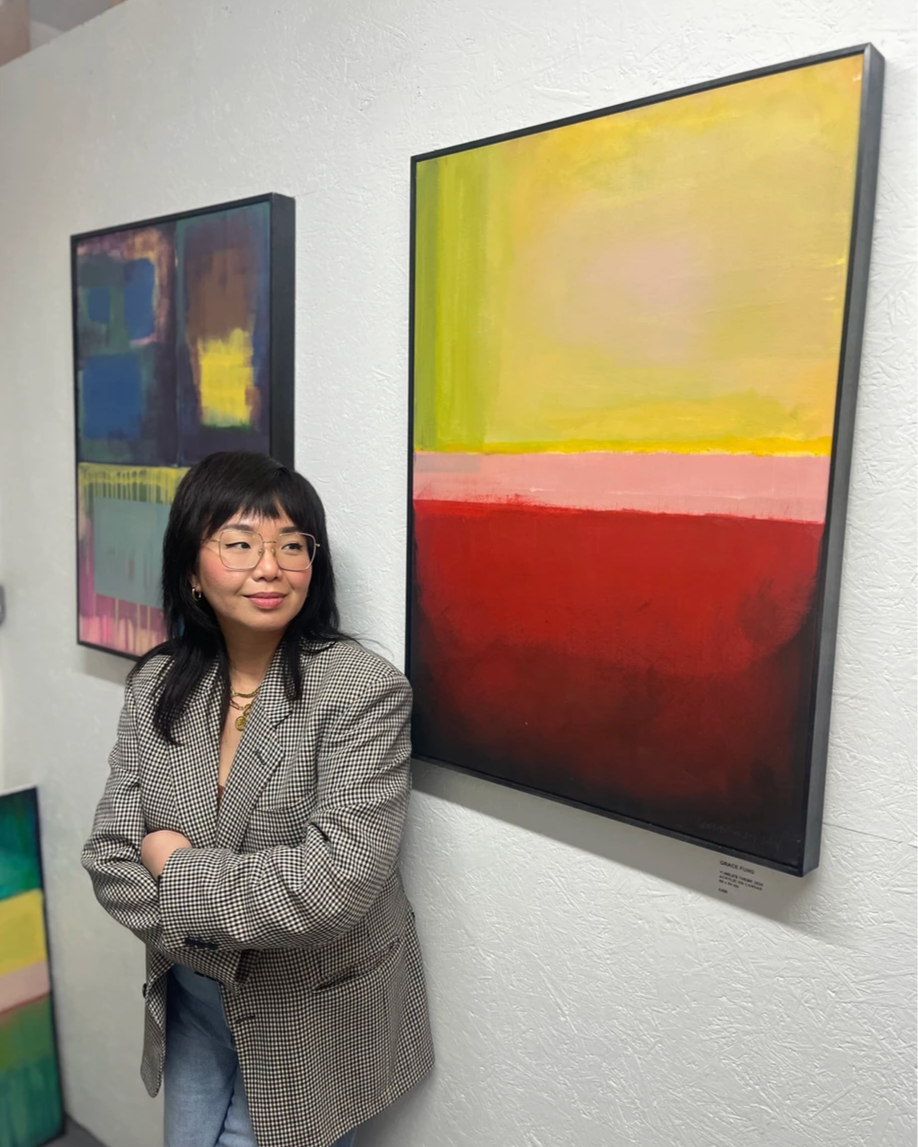
GRACE FUNG: RESHAPING MEMORY THROUGH ABSTRACTION
Memory has an elusive nature and an ever-changing shape. Once lived, it can never be retrieved as a linear recollection. Embracing the fading of memory and transforming it into intuitive artistic practices, means allowing your subconscious self to translate the hazy, fluid memories into colors, shapes, and textures that give space for abstraction to become a language for remembering what can no longer be seen. Grace Fung is a mixed media artist based in the UK exploring how intuitive painting can function as a visual archive, contributing to a growing movement of artists whose artistic style approaches memory and emotions through abstraction.
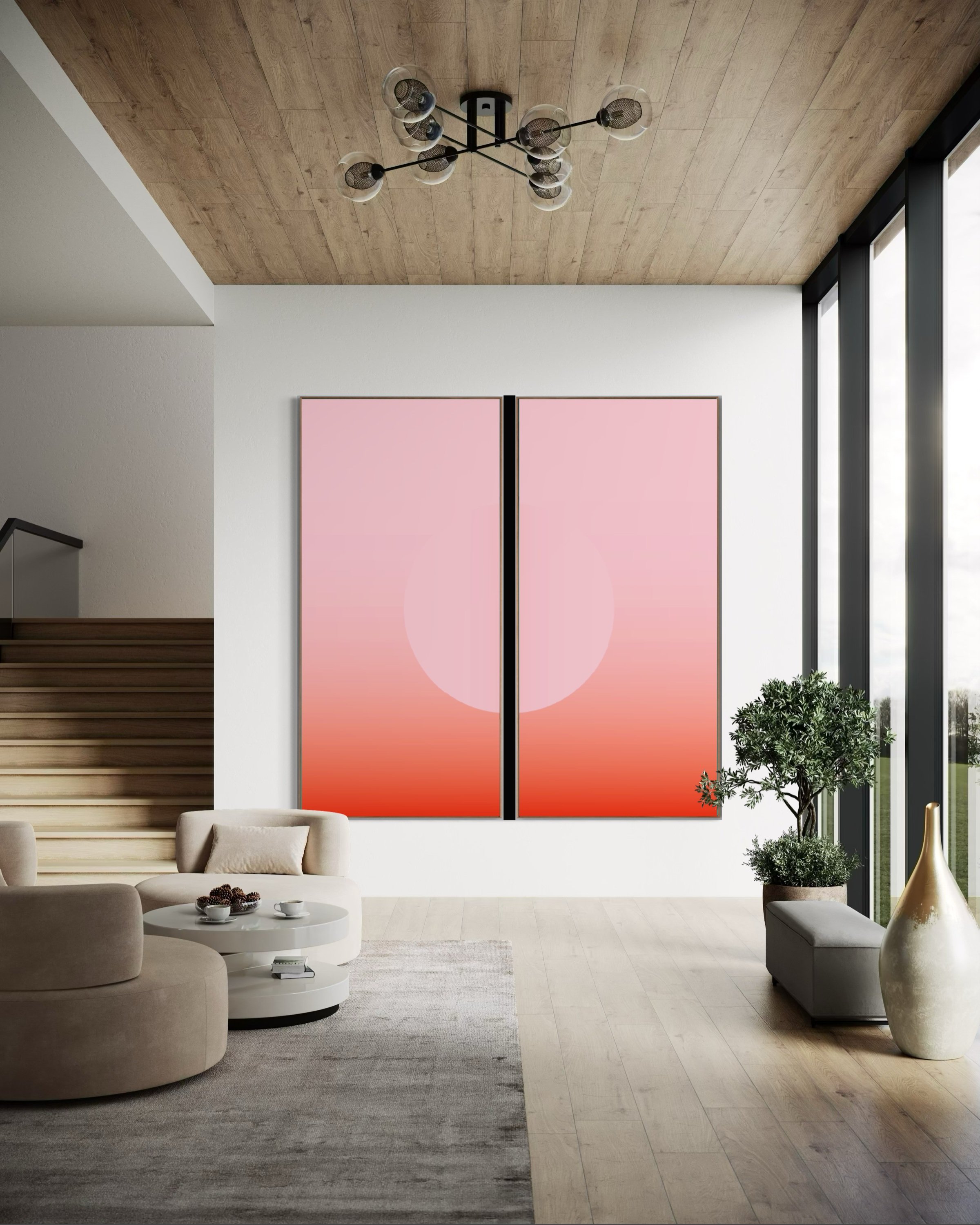
ART AS A BRIDGE TO TRANQUILITY: GIL ZABLODOVSKY ON THE POWER OF SUBTRACTION
There is something comforting about reducing the world to its simplest forms that resonates today even stronger than it did a thousand years ago. This is the thought that echoes through the art of Gil Zablodovsky—a multidisciplinary artist whose practice moves fluidly between photography, video, sound, and installation. Working with simple forms and everyday materials, he reduces them to their essential qualities, creating precise, restrained works where color, space, light, sound, and matter become interconnected.
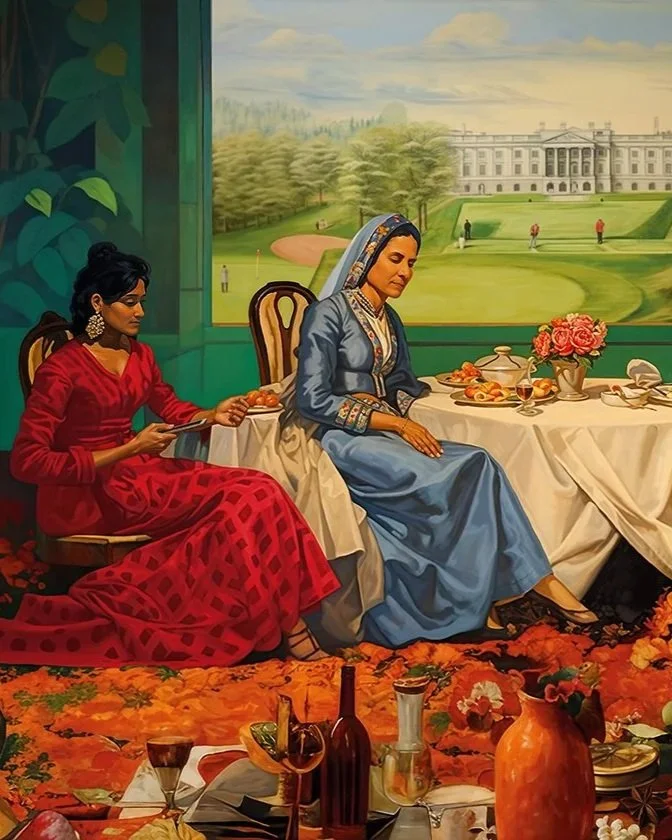
THE ARCHIVE IS NOT SILENT: SABRINA TIRVENGADUM ON MEMORY, AI AND THE POLITICS OF VISIBILITY
In her multidisciplinary practice, Sabrina Tirvengadum explores the intersections of memory, colonial histories and contemporary systems of representation. Working across photography, collage, digital painting, film, graphic design and generative AI, the artist transforms personal and collective archives into spaces of investigation and speculation. Through works such as If We Were Marrier d’Unienville, which revisits her Mauritian family history and the legacies of Indian indentureship, Tirvengadum examines how race, class and belonging are shaped by the histories that are preserved—and those that have been erased.
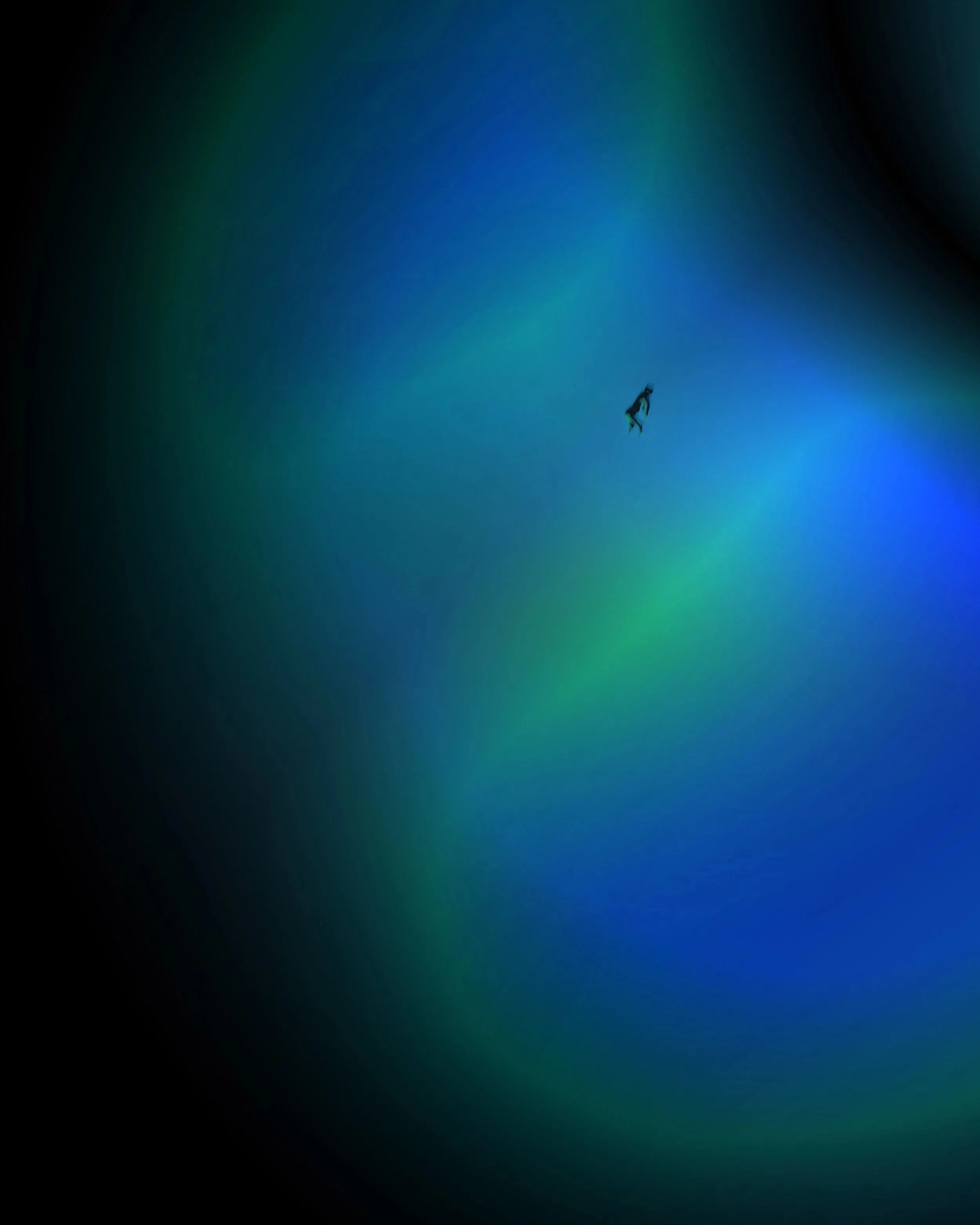
A CONVERSATION WITH GABRIEL CASTILLO
Gabriel Castillo’s “In the Heart of Solitude” series portrays a journey through our desperate need for connection and the endless walls we meet. He draws an individual human figure, who’s almost imperceptible at first sight in some images; the colours are the real protagonist of those pictures. They even seem to contradict each other, as the person is still while the colours surrounding it and the forms they create are in undeniable movement — it is the I, surrounded by the incredible power of the Other.
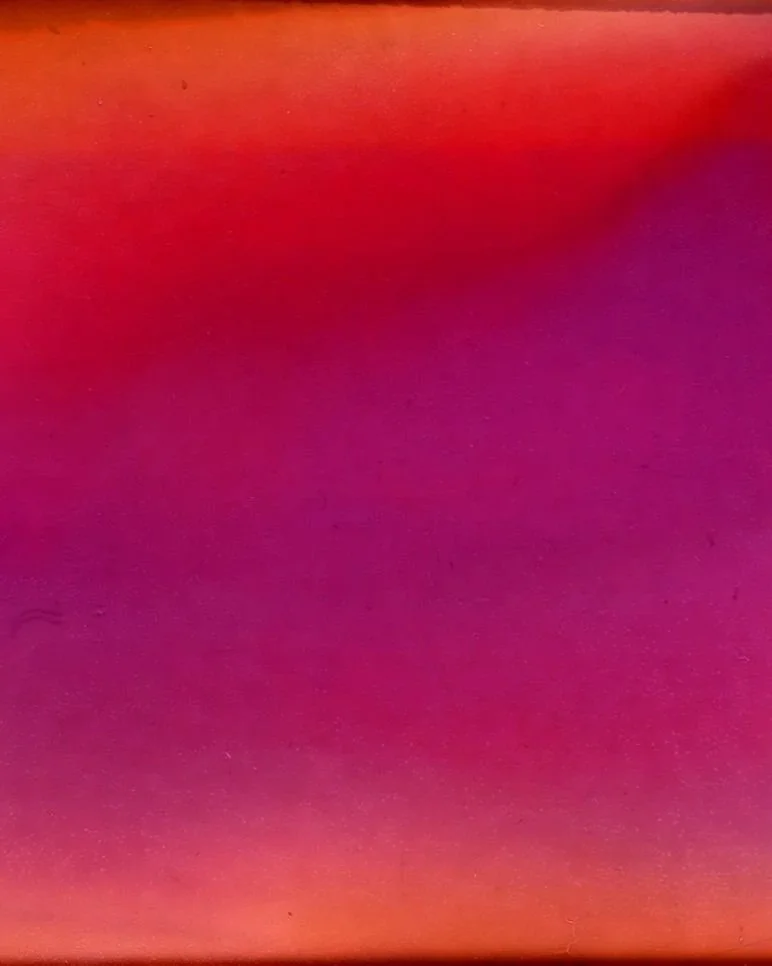
THE ACT OF EMERGING: INSIDE CALLUM HARRISON’S THEOPHANY
"The colour before it has found its name. The trace of something forming, shifting and unfolding." That's how Callum Harrison describes Emergence, and the words could just as easily describe his entire practice. Layers build slowly across the surface, each one only partially concealing what came before, so the photography seems to hold its own history within it; there is a patience to the way the work unfolds, nothing forced into clarity, nothing rushed toward resolution. What emerges instead is a kind of attention: to the way colour behaves before it settles, to the small, unrepeatable moments that occur only once, mid-process, and are gone the instant the eye tries to hold them.
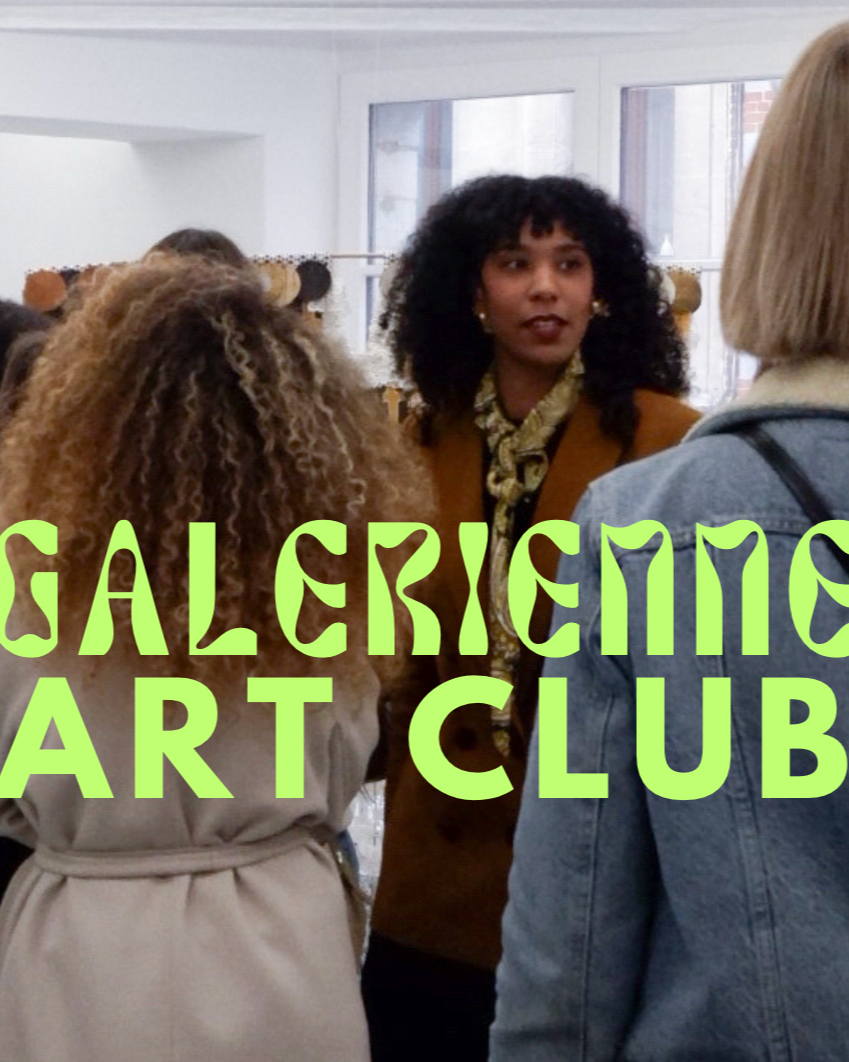
LUCIE NOLIWÉ SANOU ON THE SOCIAL LIFE OF CONTEMPORARY ART
What happens when contemporary art is approached not as a closed language, but as a space in which to meet? Through Galerienne Art Club Brussels, Lucie Noliwé Sanou is building a more social and embodied way of encountering art — one shaped by gallery tours, studio visits, and conversations that continue over coffee. In this interview, she reflects on the psychological and linguistic barriers that still surround contemporary art, the possibilities and limitations of commercial galleries, and the role cultural initiatives can play in nurturing community, curiosity, and new ways of seeing.
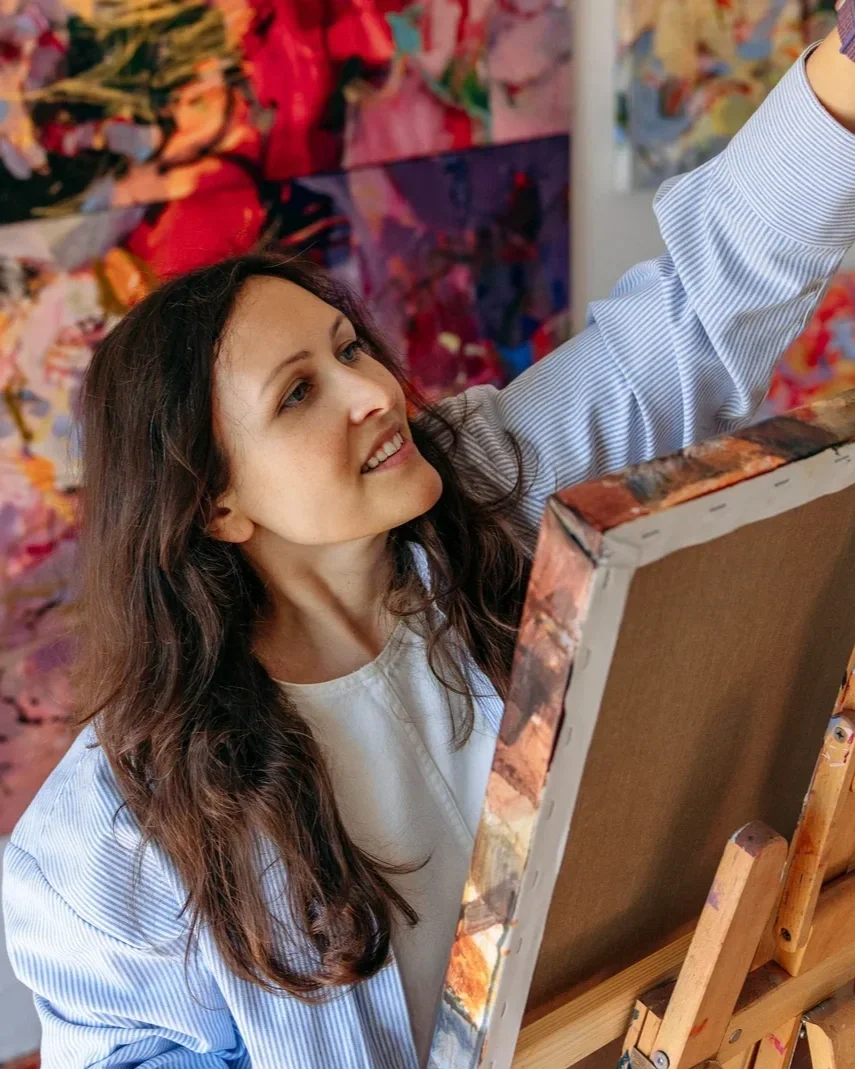
PETAL BY PETAL, THE FLOURISHING OF A FLOWER. INTERVIEW WITH ANNA ROLSKAYA
Colour is applied to it with a quick and intuitive gesture that, by now, knows where to build it up to create weight, and where instead to lay it in loose fields of colour to open the work to lightness. There isn’t any direction already set up, but only the urgency to manifest an impulse that still has no form. Then the artist rotates the canvas, thereby changing its original perception, with the aim of forcing the gaze to abandon its previous points of reference, and seek a new path toward a surface that is layered and hierarchically composed. It is now possible to start painting and to give free rein to creativity. This is the creative process of contemporary abstract painter Anna Rolskaya. It is a search for completeness that lingers in uncertainty for as long as possible, until something true emerges.
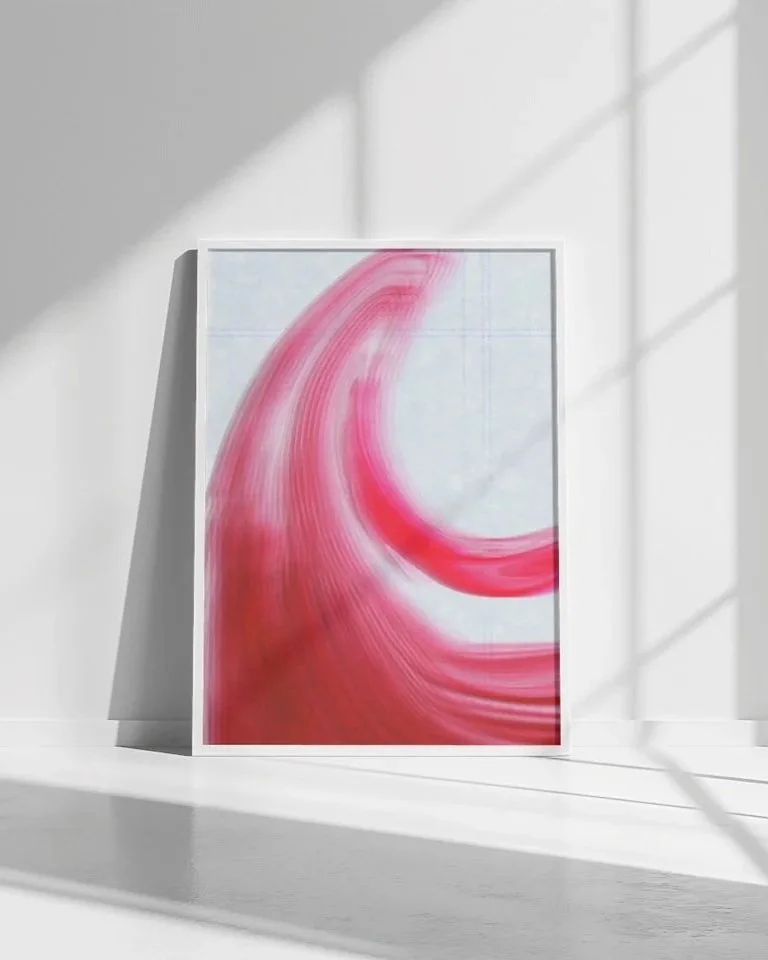
ART AS AN ESCAPE ROUTE FROM DEPRESSION: A CONVERSATION WITH TORA KIZU
Throughout art history, some of the most iconic works have emerged from the depths of psychological suffering. Vincent Van Gogh, Edvard Munch, Yayoi Kusama… they all teach us that art is somehow an antidote to pain. Tora Kizu is a young Japanese artist, born in Okayama in 2008. At the age of 17, he developed depression and began creating art as a form of self-expression. Just two weeks after starting, his work was selected for Japan’s largest open-call exhibition.
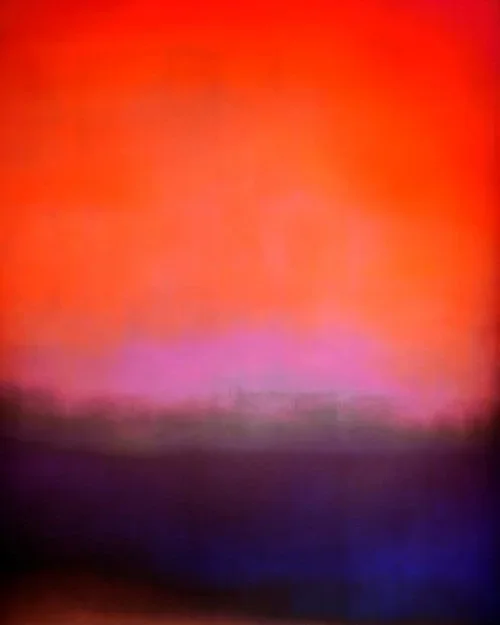
A SPACE YOU ENTER: SALLA AIDA
"I think of image-making and memory as fundamentally spatial - an active space you enter," says Salla Aida. Her work began in traditional, representational photography. Not anymore. Now it lives in the space between the machine and the handmade. She photographs industrial waste and digitizes watercolors, then deconstructs and rebuilds them on the computer - using custom digital brushes that translate the feel of paint, of grain, of tactility. The result isn't quite photography. It isn't quite painting. It's something else - partly photograph, partly paint, partly code, built not to capture a moment but to reconstruct one.
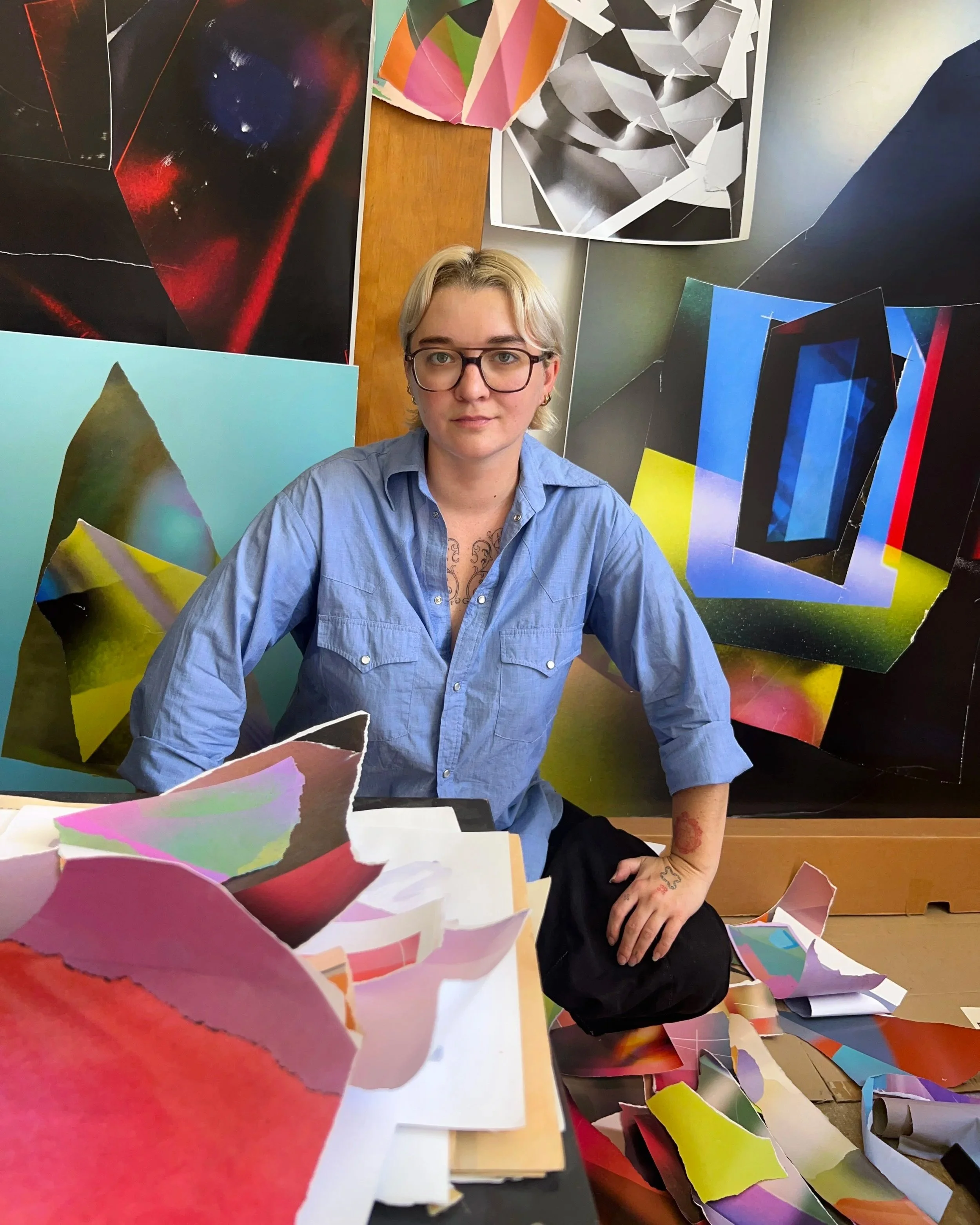
CAREY COLEMAN WANTS YOU TO SLOW DOWN
We are so conditioned to look at an image and immediately know what it means. Carey Coleman’s work is a deliberate refusal of that habit. By ripping up their own archives, collaging photographic shards, and channeling raw emotion into action painting, she builds spaces that resist easy categorization. Their abstraction is a quiet rebellion against the binary. Here, we talk about the spiritual weight of their process, their earliest artistic memories, and the self-sustaining, endlessly recycled ecosystem that birthed Both And (Icy Hot).
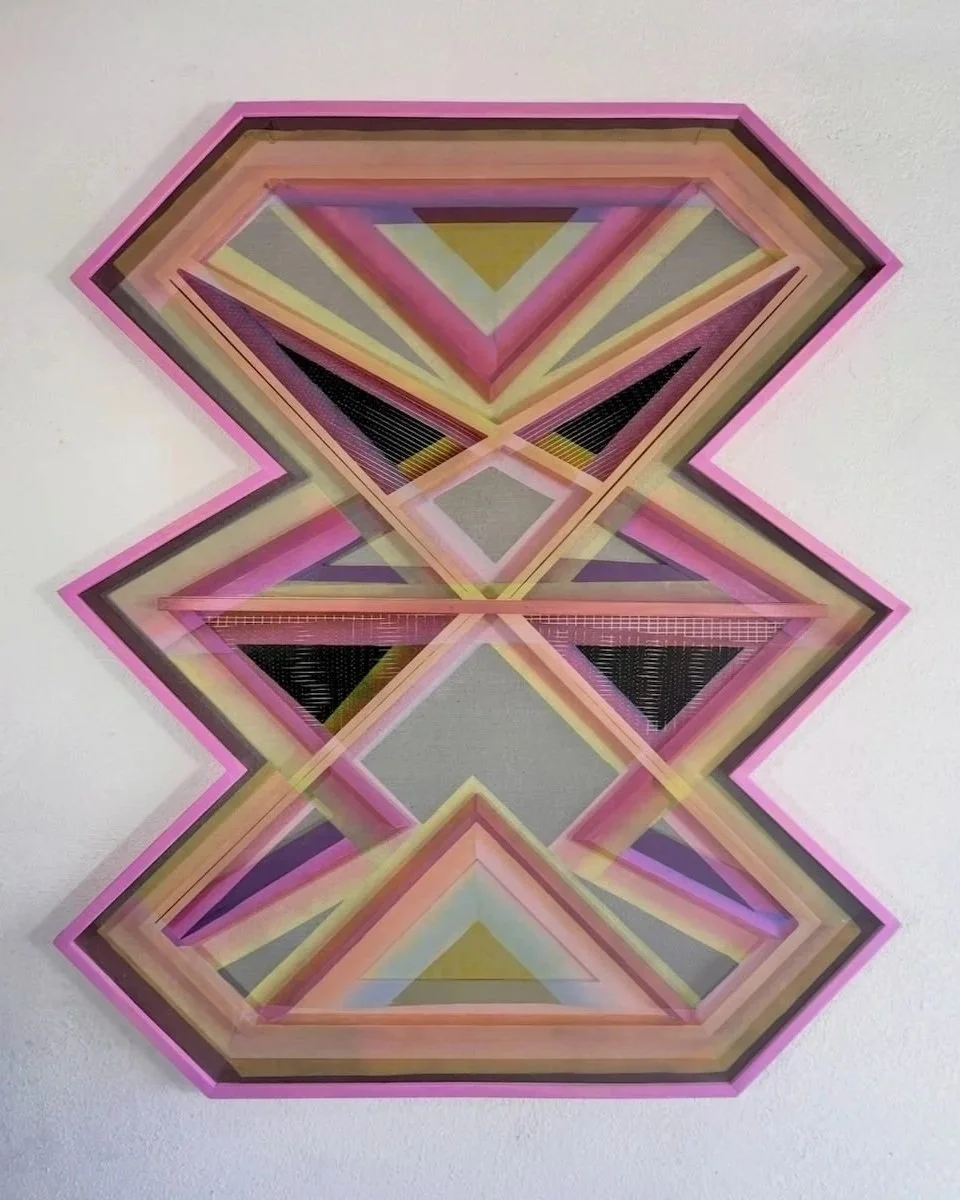
BEFRIENDING THE SUN: SAMANTHA BUCHANAN
Have you ever tried to tame the sun? But that's rather cruel isn't it? What about befriending the sun? What about using it's beams as a tool? Samantha Buchanan builds her art around something you can’t actually touch. Using cut fiberglass mesh and negative space, her geometric pieces are never really static. They shift and react depending on where you stand and what time of day it is. We talked about the complexities of perception, the fluidity of colour, and what it actually means to collaborate with the environment.
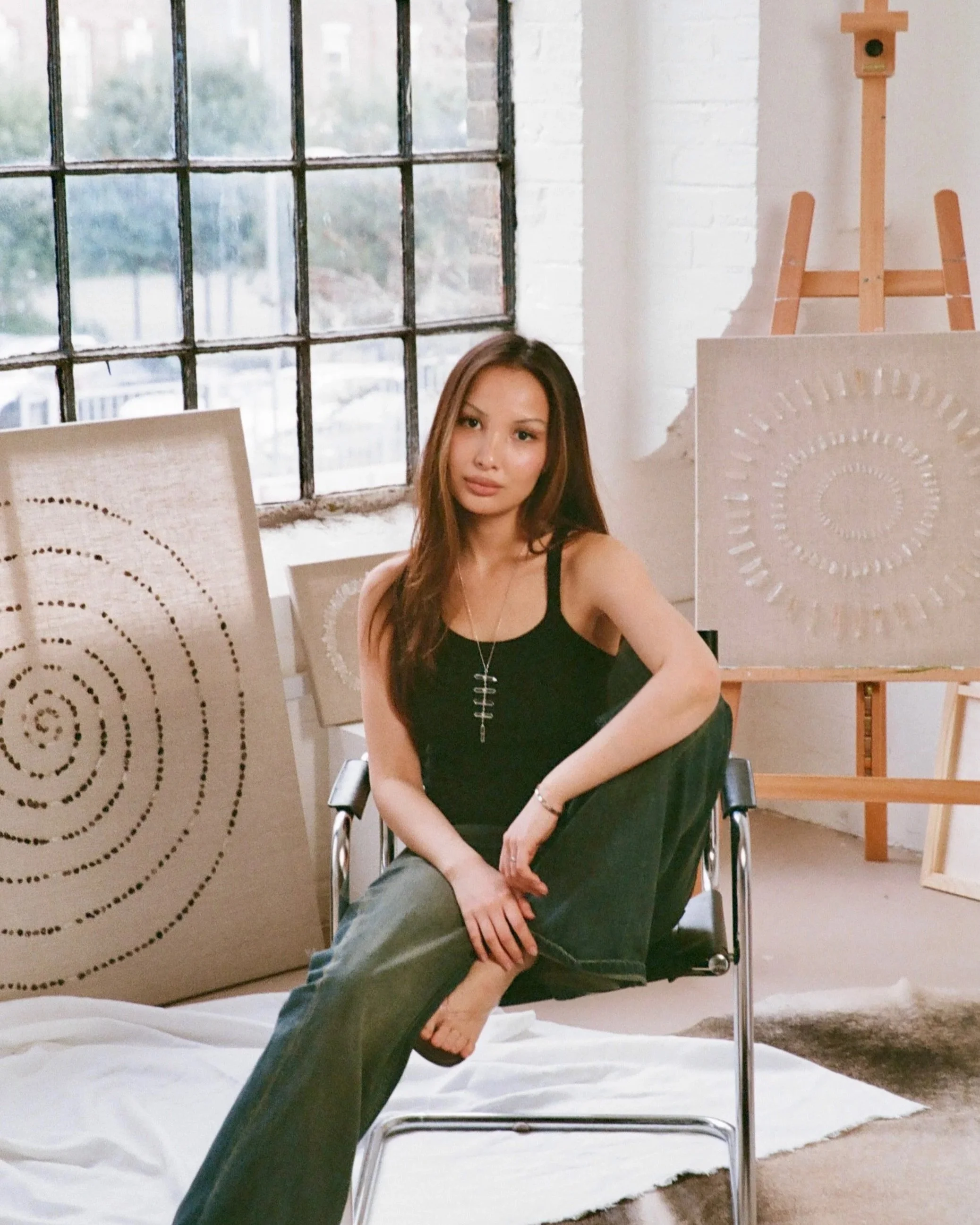
PAINTING AS MEDITATION AND CONNECTION: GENEVA ARYSTAN ON EXPLORING ANCESTRAL HERITAGE, COLLECTIVE MEMORY, AND SPIRITUALITY
Connection with ancestral heritage and with nature, exploration of collective memory and of the interaction between the self and the wider world: these are the threads running through Geneva Arystan’s practice, which is deeply rooted in spirituality. A Kazakh-born artist based in London, Arystan explores the relationship between spirituality, collective memory, and nature – and how the self is connected to these and other invisible forces that drive everything – through mixed-media works that combine different materials and visual elements, including crystals, colours, and even text.
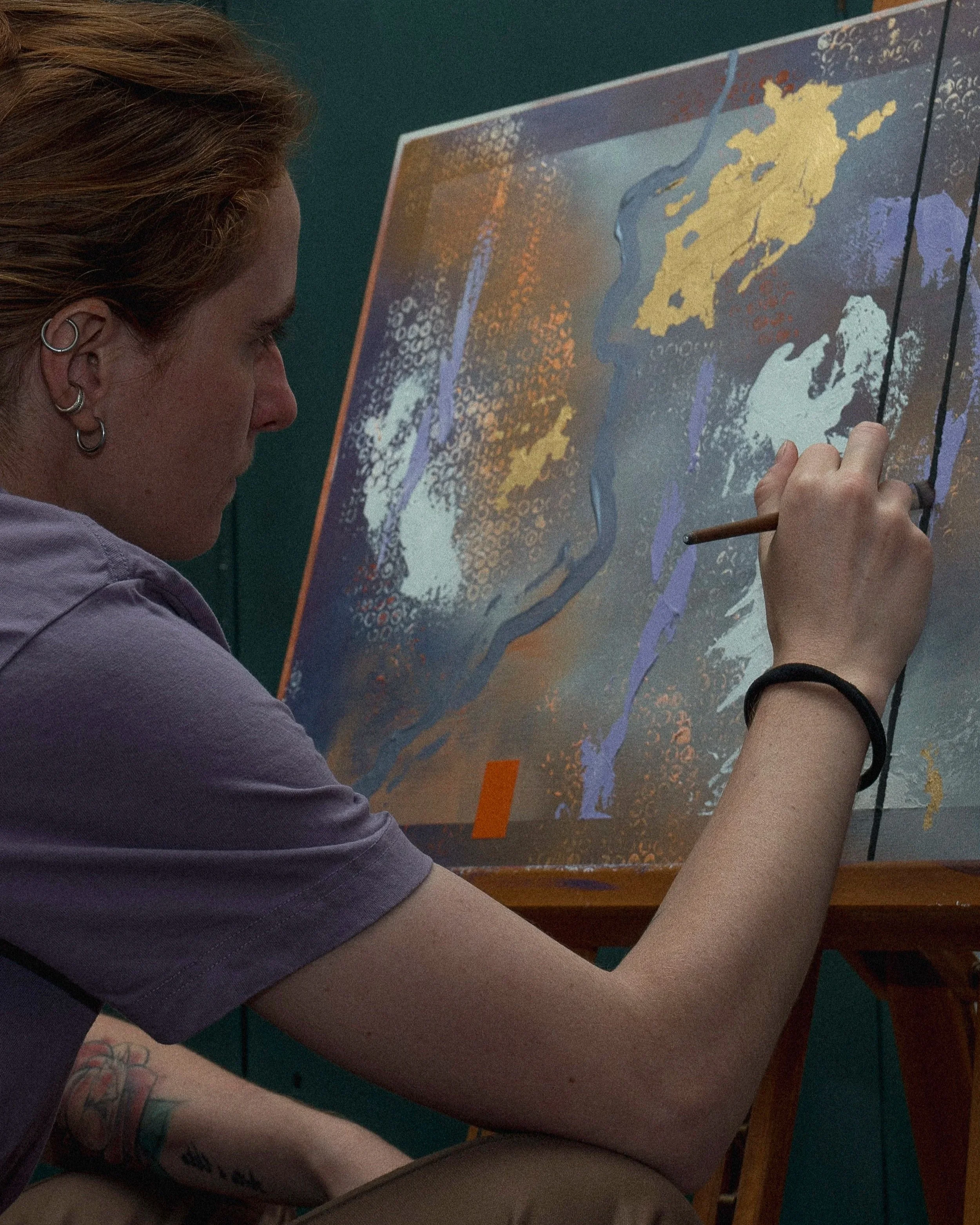
MARGHERITA MARZARI: TRANSLATING THE MOMENT INTO ABSTRACTION
There is a common belief that becoming an artist requires following a clear and linear path, much like pursuing a profession such as law or medicine. Yet art rarely emerges from a predetermined route. Instead, it takes shape through experiences, detours, reconsiderations, and constant transformation. It is a language that develops over time, through experimentation and changes of direction. Margherita Marzari, a young Italian artist born in Trento, embodies this kind of journey.
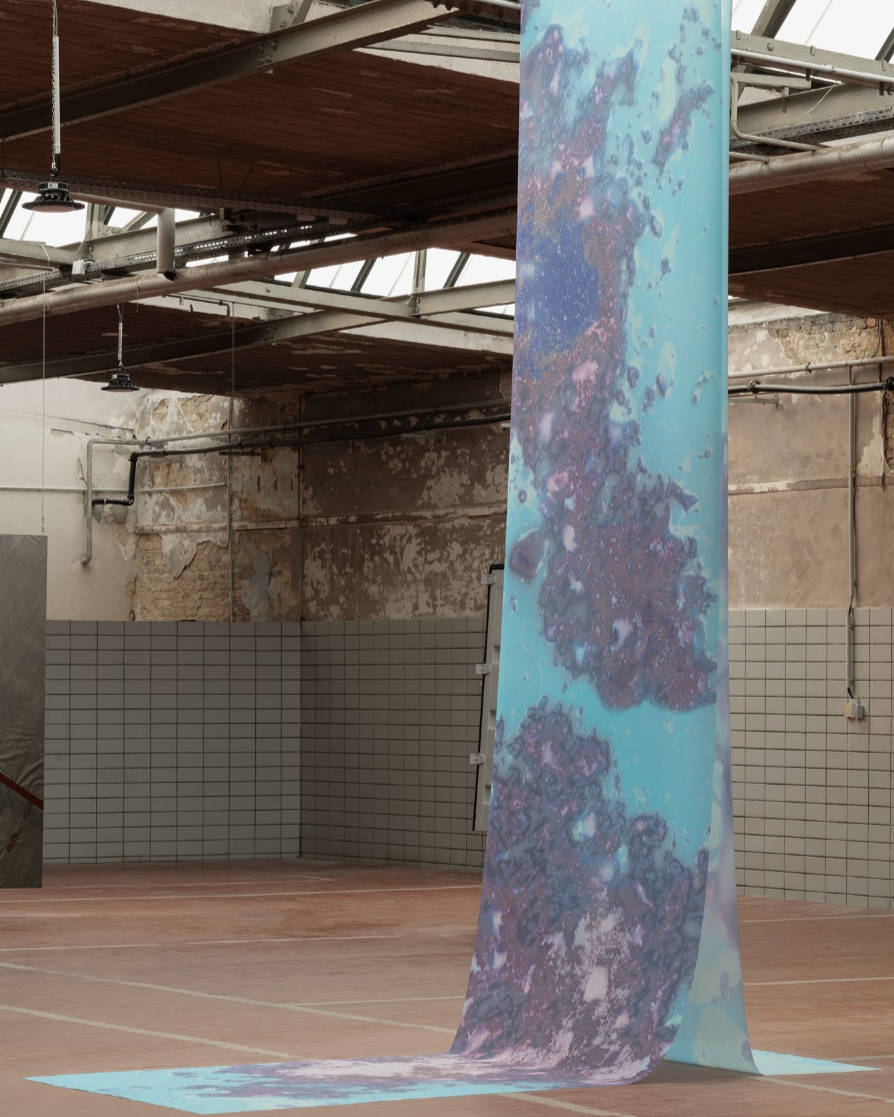
TRACING LIGHT: MARTA DJOURINA AND THE PHOTOGRAPHY OF THE INVISIBLE
What happens when photography no longer represents the world, but instead records the conditions of its own becoming? Marta Djourina's practice begins where the camera recedes. Working directly with analogue photographic paper, light, movement, and chemistry, she treats photography less as a medium of depiction than as a site of material encounter. Light is not simply what makes images possible — it becomes their subject, their agent, and their residue.
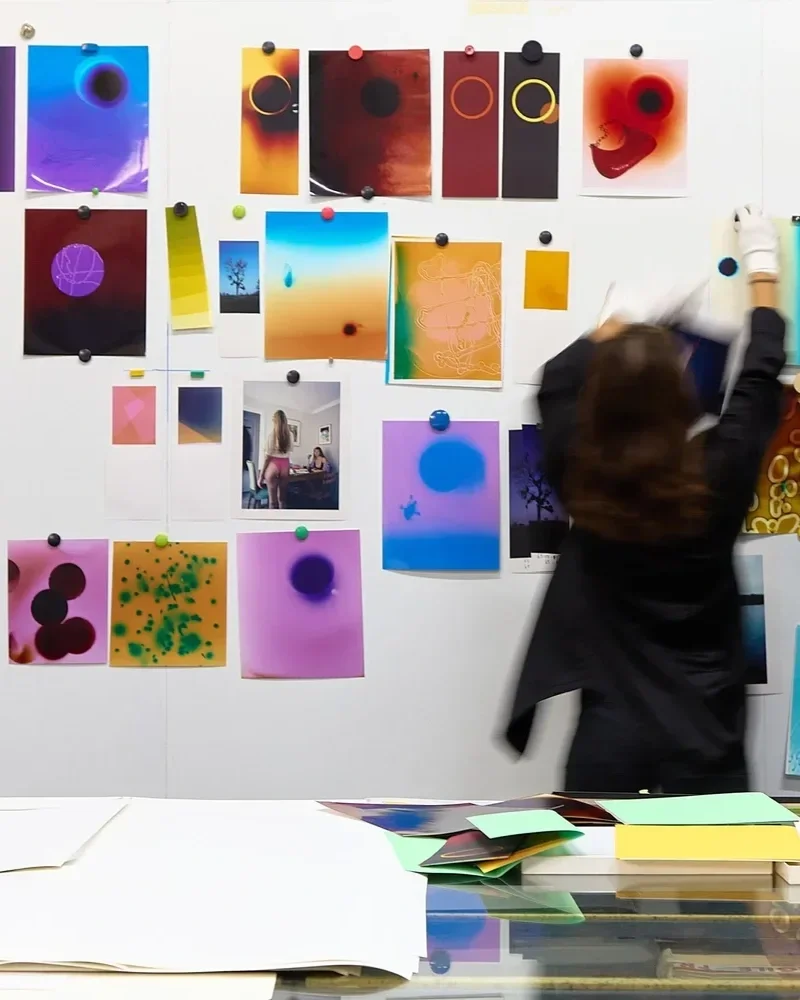
THE DARKROOM: MARIANA ROMÃO
What is a photograph when you remove the camera? For Paris-based, Lisbon-born visual artist Mariana Romão, it isn’t a departure from the medium - it is a return to its absolute essence. Romão approaches the photographic process not as passive documentation, but as a calculated performance. Whether she is navigating the high-speed choreography of live runways or executing raw chemical movements in the pitch black of her studio, her practice relies on a deep understanding of staging, timing, and presence.
We're looking for artists to feature in The Ambrosia Journal - share your process, your inspiration and the stories behind your work in an exclusive interview.
Get in touch.
The Ambrose Journal, curated by Ambrose Creatives, traces the movement of art through culture, commerce, and ideas. Through considered features, intimate conversations, and curated visual studies, we examine the practices and perspectives of creative minds shaping the contemporary moment.
We invite thoughtful story proposals, editorial collaborations, and inquiries from artists. Currently available Open Calls:
For general inquiries, please reach out to contact@ambrosecreatives.com