ART & BUSINESS: A STRATEGIC ALLIANCE FOR INNOVATION, DIFFERENTIATION AND STORYTELLING
In a world saturated with messages, contemporary art emerges as the distinctive language that can elevate a company’s identity, making it memorable, desirable, and culturally relevant
Art, long a mirror of society, has today become a powerful ally for businesses aiming to stand out and create authentic value. Integrating artistic practices into corporate strategy is not a mere aesthetic indulgence nor simply cultural sponsorship: it is a conscious choice of positioning, communication, and innovation.
Collaborating with contemporary artists allows companies to express their vision through symbolic and emotional languages, crafting narratives that inspire clients, stakeholders, and communities. In a market where products alone are no longer enough, and where experience and identity are key, art becomes a catalyst for meaning, uniqueness, and impact.

Courtesy of Timea Balo (@madebytimtim)
Fine living: the sectors most naturally aligned with artistic integration
Not all industries are equally suited to this type of synergy. The fusion of art and business finds its most natural expression in the so-called Fine Living sectors, where aesthetic experience is already an essential part of perceived value:
Hospitality: hotels, resorts, and boutique hotels transform their spaces into cultural destinations.
Food & beverage: Michelin-starred restaurants and gourmet brands enhance the dining experience through art.
Wine: wineries and prestigious maisons weave their storytelling around site-specific installations or renowned artists.
Design: furniture and architecture firms embrace creativity as a defining element.
Fashion: maisons collaborate with artists on capsule collections and special projects.
Luxury: high-end brands fuse lifestyle and cultural aesthetics.
Real estate: premium real estate projects integrate artworks into urban and residential landscapes.
Public sector: institutions and cities invest in public art to regenerate and enhance their territories.
Healthcare: hospitals and medical centers adopt art to improve wellbeing and create welcoming spaces.
These sectors, more than others, understand that value is also measured by the ability to evoke emotion, wonder, and deep connections.
“In a market where products alone are no longer enough, and where experience and identity are key, art becomes a catalyst for meaning, uniqueness, and impact.”
The key benefits of cultural branding
Integrating art into business strategy is not embellishment, it is a measurable investment. Here are the main advantages:
Differentiation and leadership
Art makes a brand unmistakable, elevating it to a position of leadership and innovation. It’s an ideal choice for sectors such as luxury, design, hospitality, and fashion.Engaging experiences that foster loyalty
Art events, temporary exhibitions, and exclusive collaborations turn every interaction into a multi-sensory, memorable experience, boosting customer retention and loyalty.Enhanced perceived value
A company that engages with the world of art is recognized as sophisticated, forward-thinking, and culturally committed, strengthening its reputation among clients, investors, and partners.Media visibility
Artistic initiatives attract attention from lifestyle, cultural, and mainstream media, amplifying brand visibility through PR campaigns, storytelling, and viral social content.Social and ethical impact
Investing in art means supporting culture and the local community, strengthening Corporate Social Responsibility (CSR) efforts, and building a deep bond with the territory.Stimulating spaces and work environments
Installations and artworks enrich internal spaces, inspiring employees and visitors alike, while promoting wellbeing, creativity, and a sense of belonging.
Art as a value investment
Today, artistic integration and business strategy are increasingly interconnected. Art should not be seen as mere ornamentation, but as a strategic asset capable of amplifying a brand’s voice, fostering new connections, creating cultural impact, and ultimately increasing economic value.
Those who seize this opportunity today will be the ones shaping the language of corporate communication tomorrow.
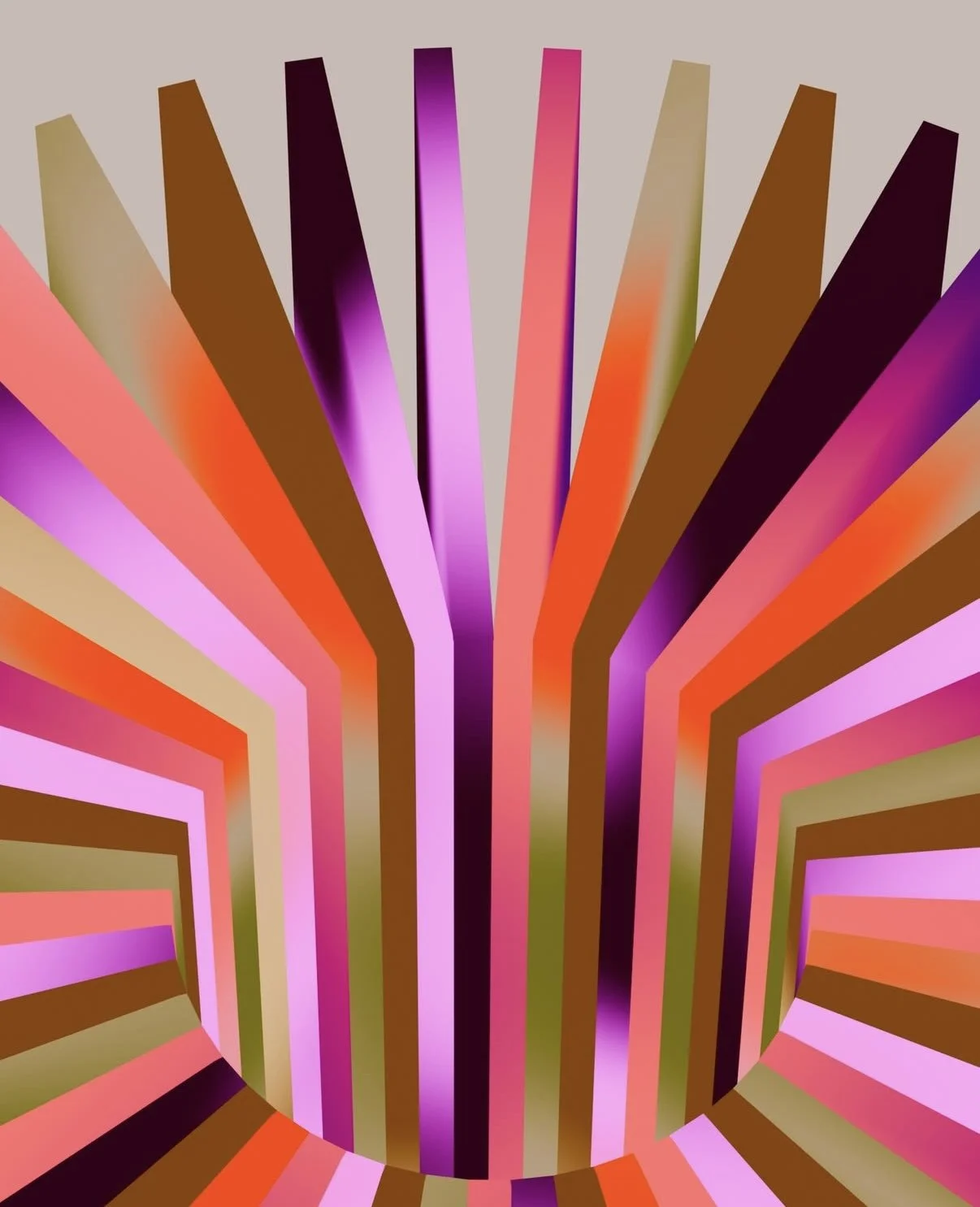
Courtesy of Timea Balo (@madebytimtim)
Article by Enrico Dedin
Media artist active since 2013, with over 80 exhibitions worldwide. His works are part of the catalogue of Heure Exquise!, distributor of the audiovisual collections of the Musée du Louvre and the Musée d’Orsay. He has been selected for major events and exhibitions, including the 16th Videoart Yearbook curated by art critic Renato Barilli, the Collettiva Giovani Artisti of the Fondazione Bevilacqua La Masa, and The Wrong Biennale, receiving numerous awards and recognitions over the years. His artistic research has also been included in the volume “L’arte del XXI secolo. Temi, linguaggi, artisti” by Viviana Vannucci, professor and international curator. Alongside his artistic practice, he works as an Art Director in the field of multimedia communication. Operating at the intersection of art and communication, he coined the term “Artivator” to define a new role of the artist: a cultural activator for brands, territories, and entities outside the art system. He is also the author of the literary manifesto of Metaluddism, published in the aperiodical Il Foglio Clandestino.