MATTER HOLDS TIME: A CONVERSATION WITH NATALIA TYKHONIUK
“Matter is always in motion. I simply accompany the process.”
Natalia Tykhoniuk’s work exists at the intersection of nature and memory. She creates objects that feel less like "made art" and more like art that made itself - as if the bark, ash, and clay simply decided to settle into these forms. Her practice is less about traditional sculpture and more about a deep, tactile research into how materials carry history. Her surfaces function as records of time.
This dialogue with the earth is deeply rooted in her own journey. From her origins on the shores of the Azov Sea in Mariupol to her current practice in Switzerland, Natalia has developed a visual language that mirrors the movements of the world: accumulation, erosion, and fracture.
In this conversation, we go beneath the surface of her work to explore the origins of her visual language and the philosophy of allowing art to happen on its own.
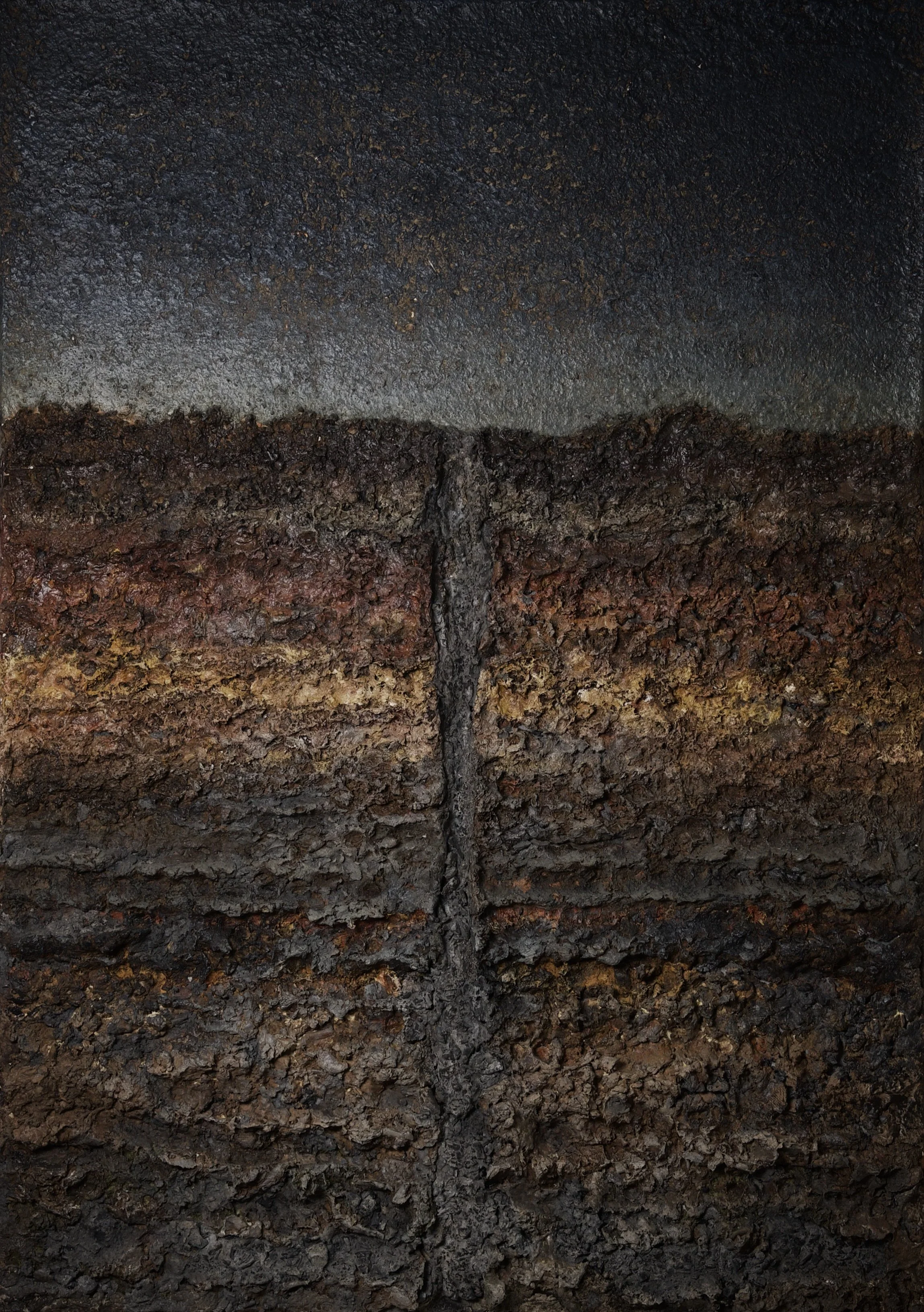
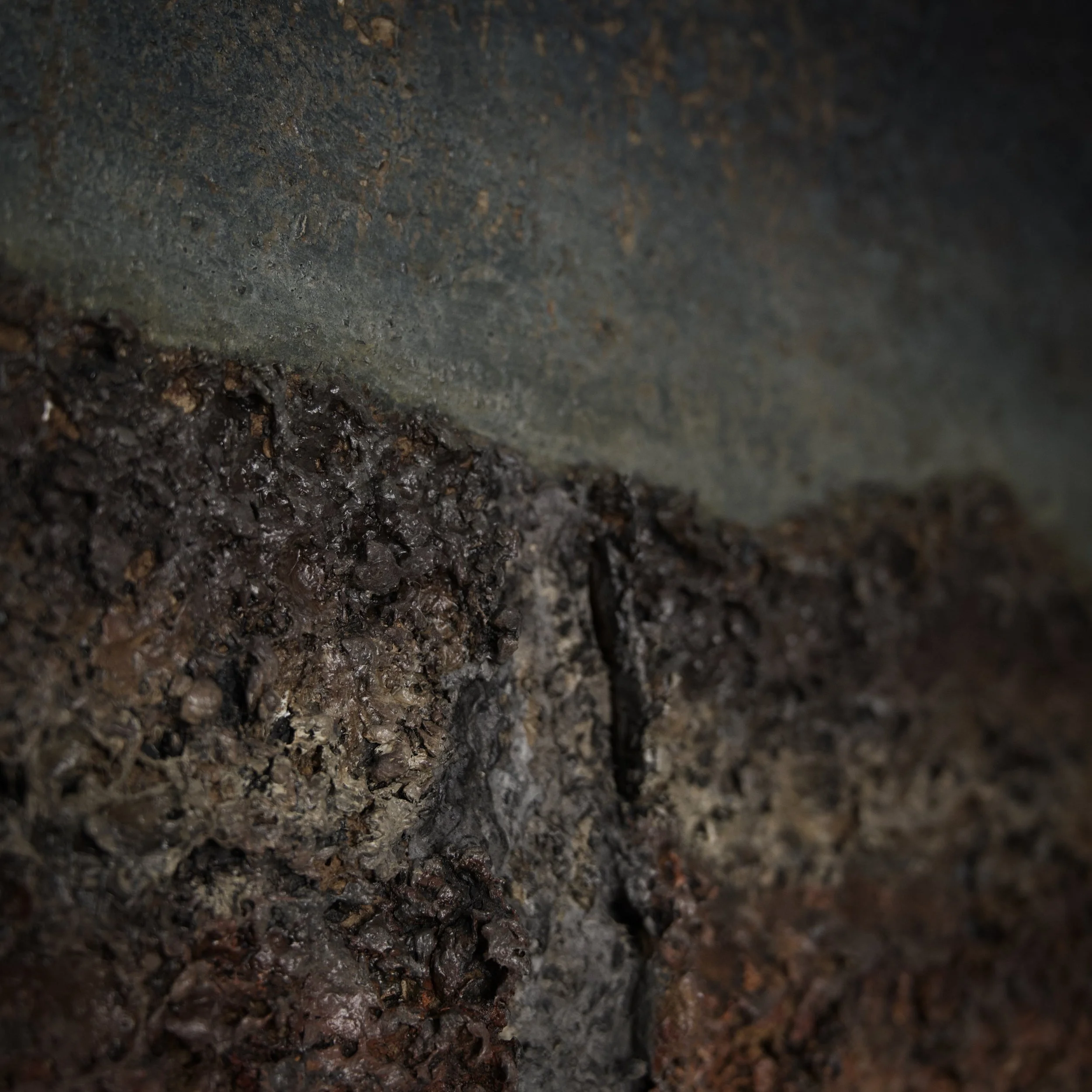
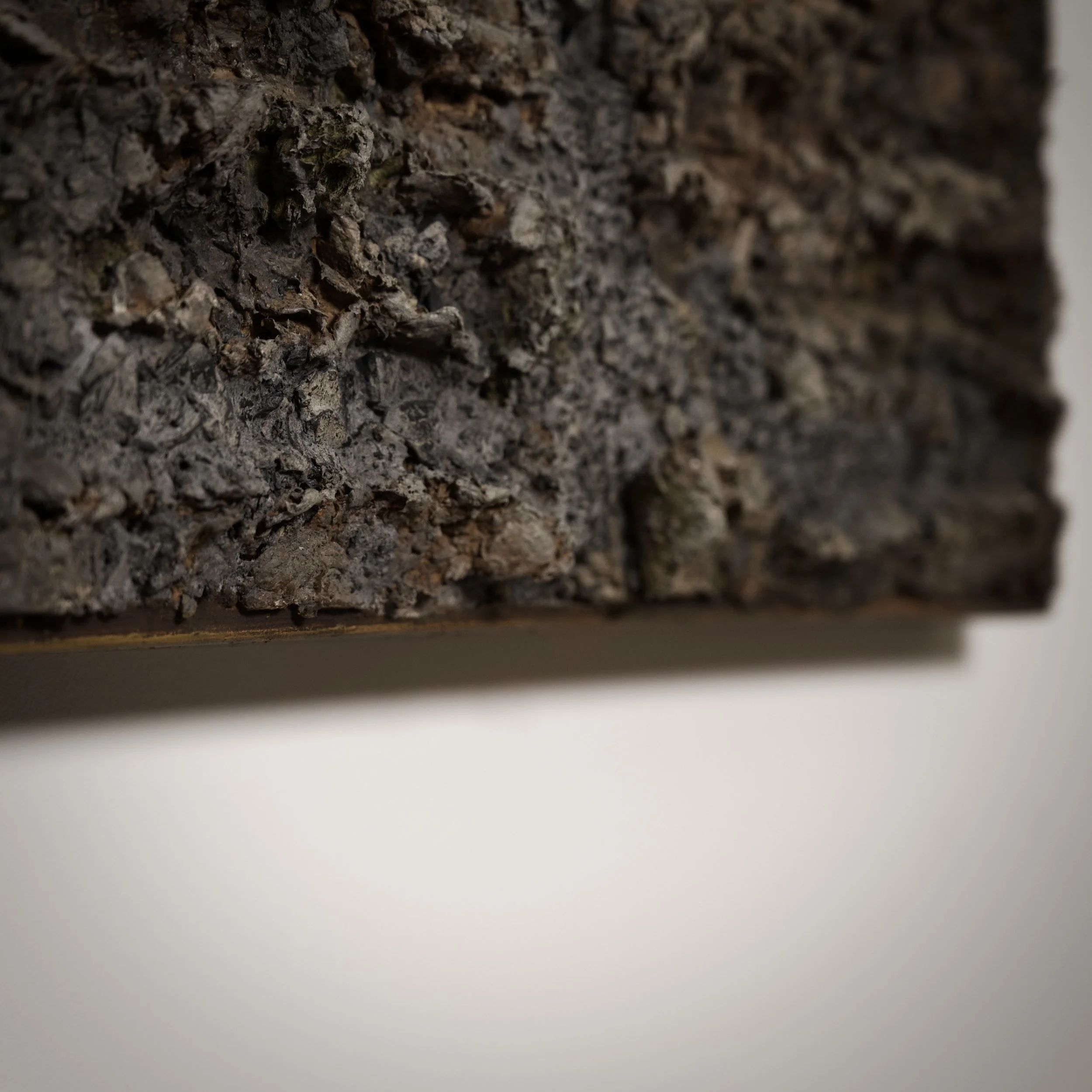
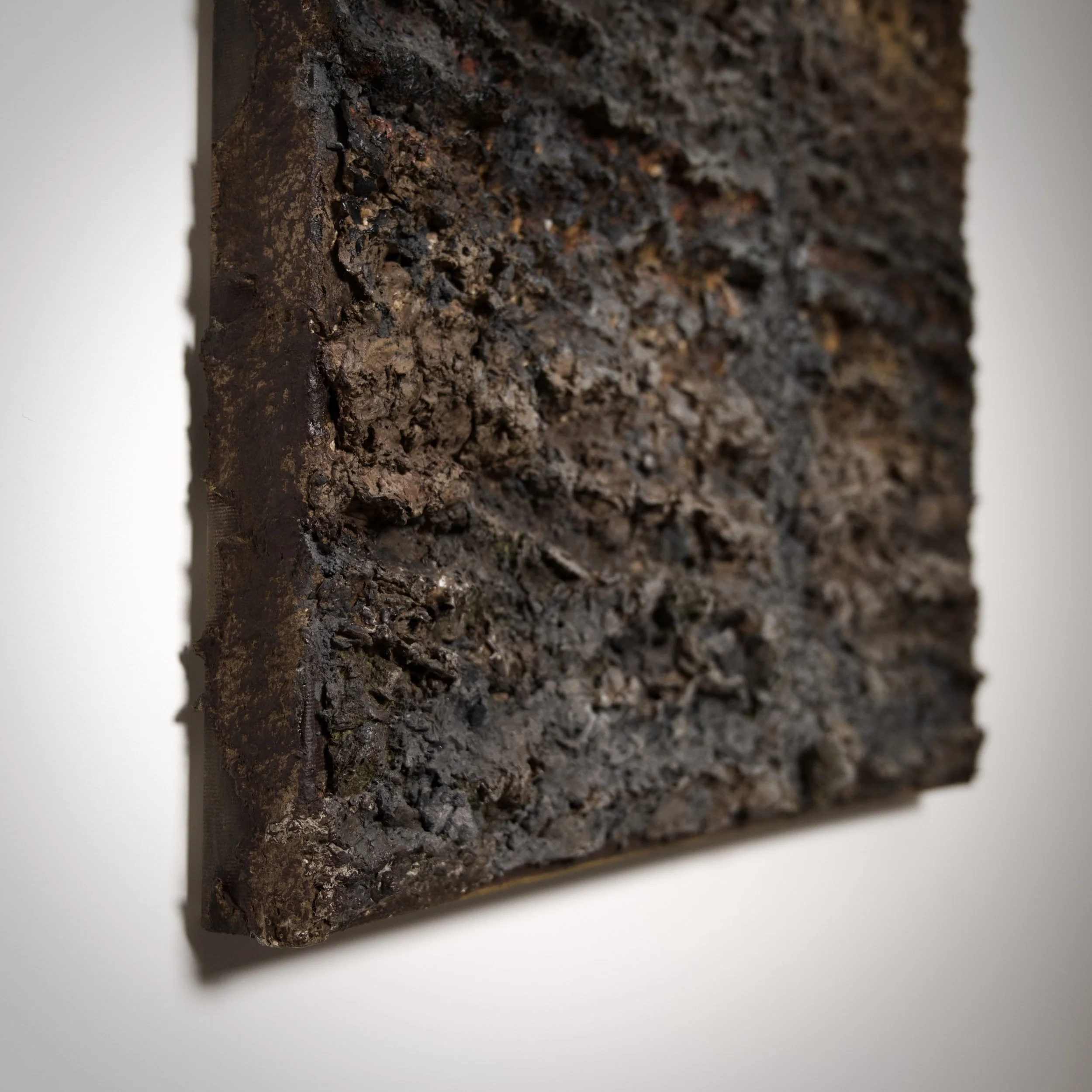
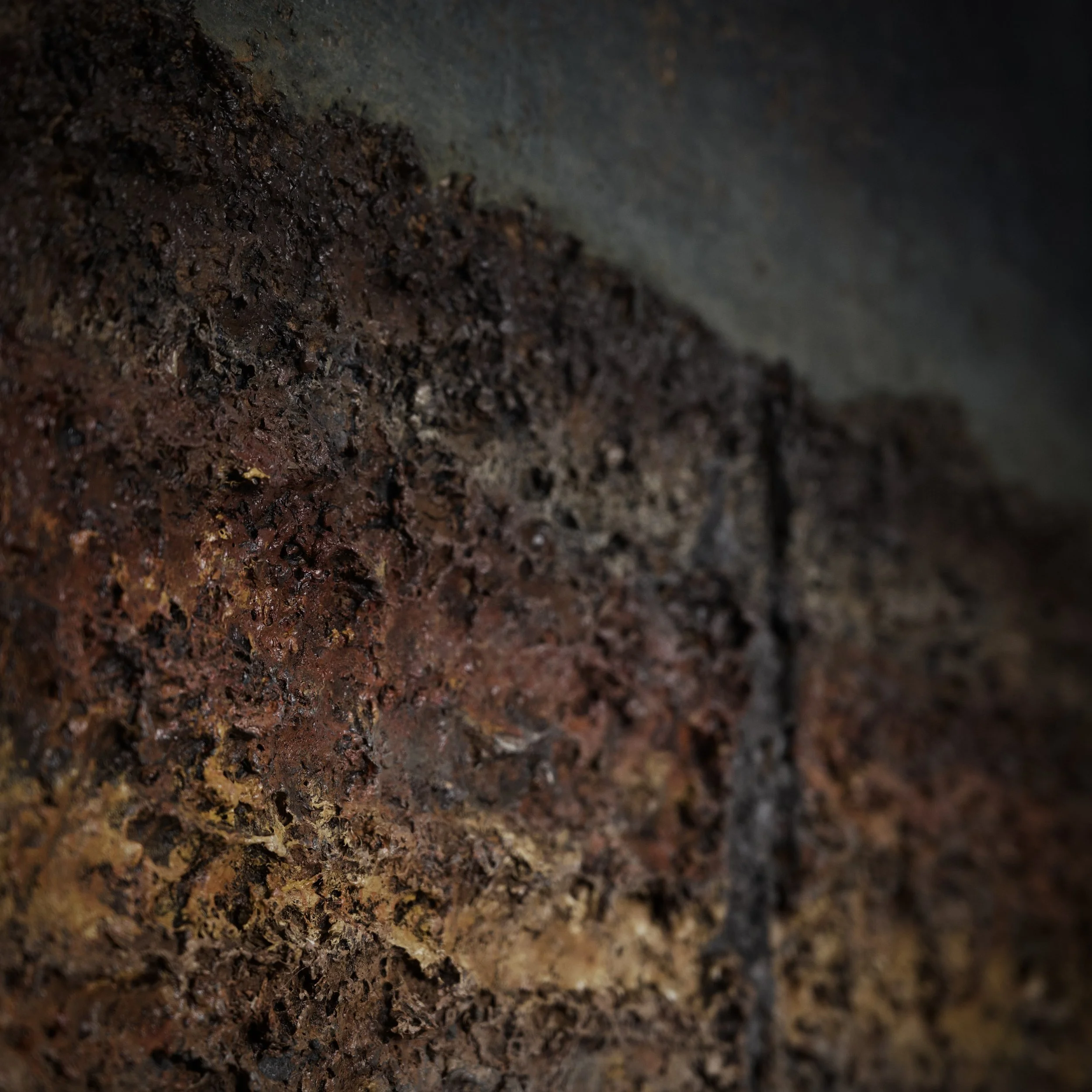
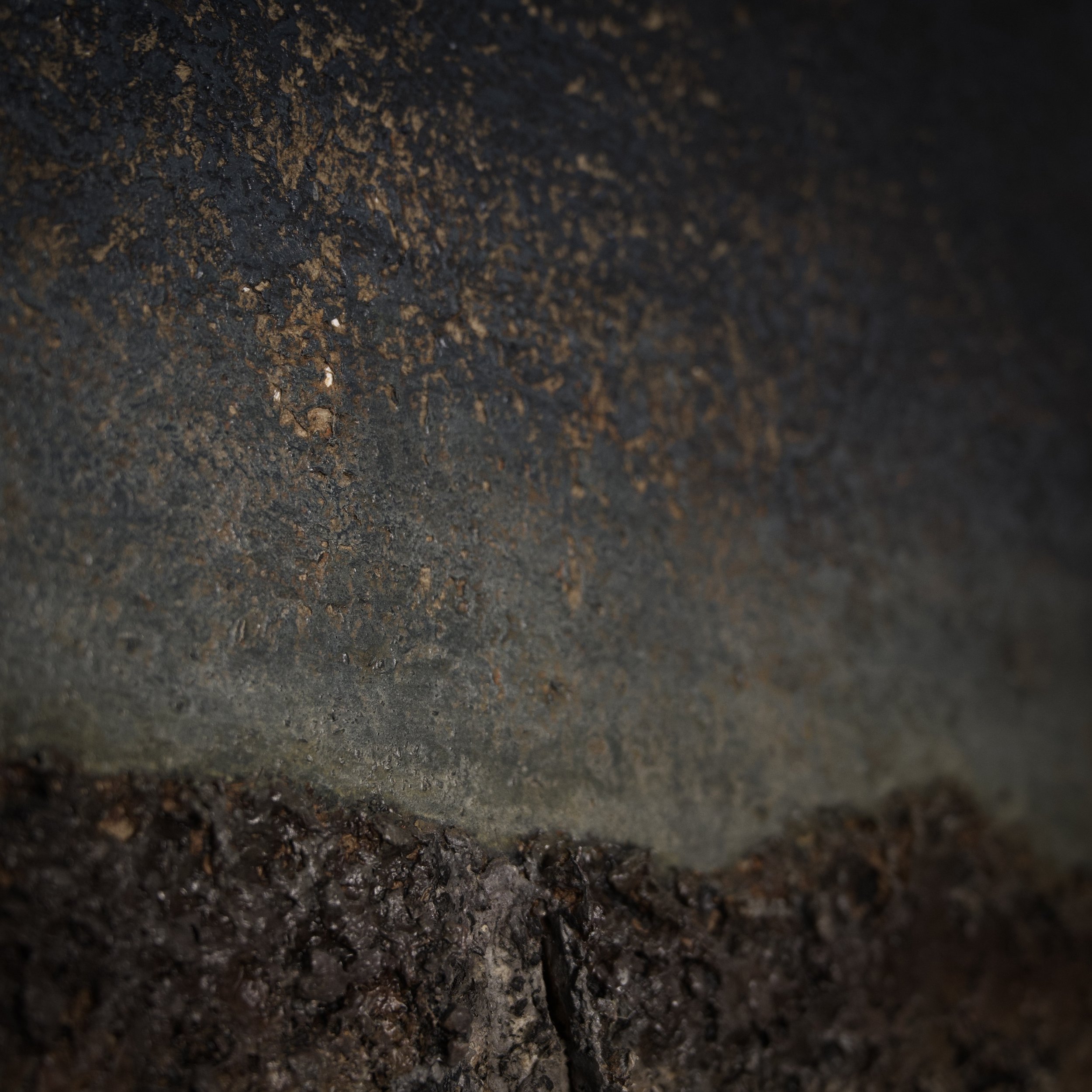
La Traversée, Natalia Tykhoniuk
Looking at your work today, it feels like it has its own heartbeat – very organic and alive. But if we go back to the very beginning, before you were a professional artist: what was the first material you ever touched, or the first scene from your life, that made you realize you could speak through textures instead of just looking at them?
I was born in Mariupol, by the Azov Sea.
The water there is calm, the shore fine sand.
Sand became my first material.
In my hands, wet sand formed small walls, bodies, simple architectures.
Each form lived for one day.
The sun dried it. The surface cracked.
By evening the water returned and carried everything away.
In the morning the shore was clean.
I began again.
The material followed its own laws.
Time passed through it.
Erosion occurred naturally.
Memory remained within the texture itself.
The “heartbeat” of my work begins there - in this repeating rhythm of appearance
and disappearance.
And today, working with natural materials, I return to that same contact with sand.
Form emerges, dries, cracks, crumbles.
Texture holds the trace of time.
Matter carries memory.
I simply allow it to speak.
“Material behaves the way the world behaves.”
Working with materials like paper clay, bark, and charcoal means working with things that have already lived. Beyond just being eco-friendly, what draws you to materials that carry their own history into your art?
I am drawn to materials that have already lived.
Bark, ash, paper clay are not neutral substances.
They already contain time.
They already contain change.
They already contain traces.
Bark holds years of growth and exposure to wind and rain.
Ash remains after fire.
Paper clay is born from breakdown and assembled again.
When I hold them in my hands, I sense the full cycle – from seed in the soil to ash.
These materials do not begin with me.
They arrive with their own history.
I use new materials as well, but only as a base or support. The real work begins
where memory is already embedded in the substance. That is where the surface
gains density and depth.
Texture accumulates traces.
Matter holds time.
I simply continue its movement.
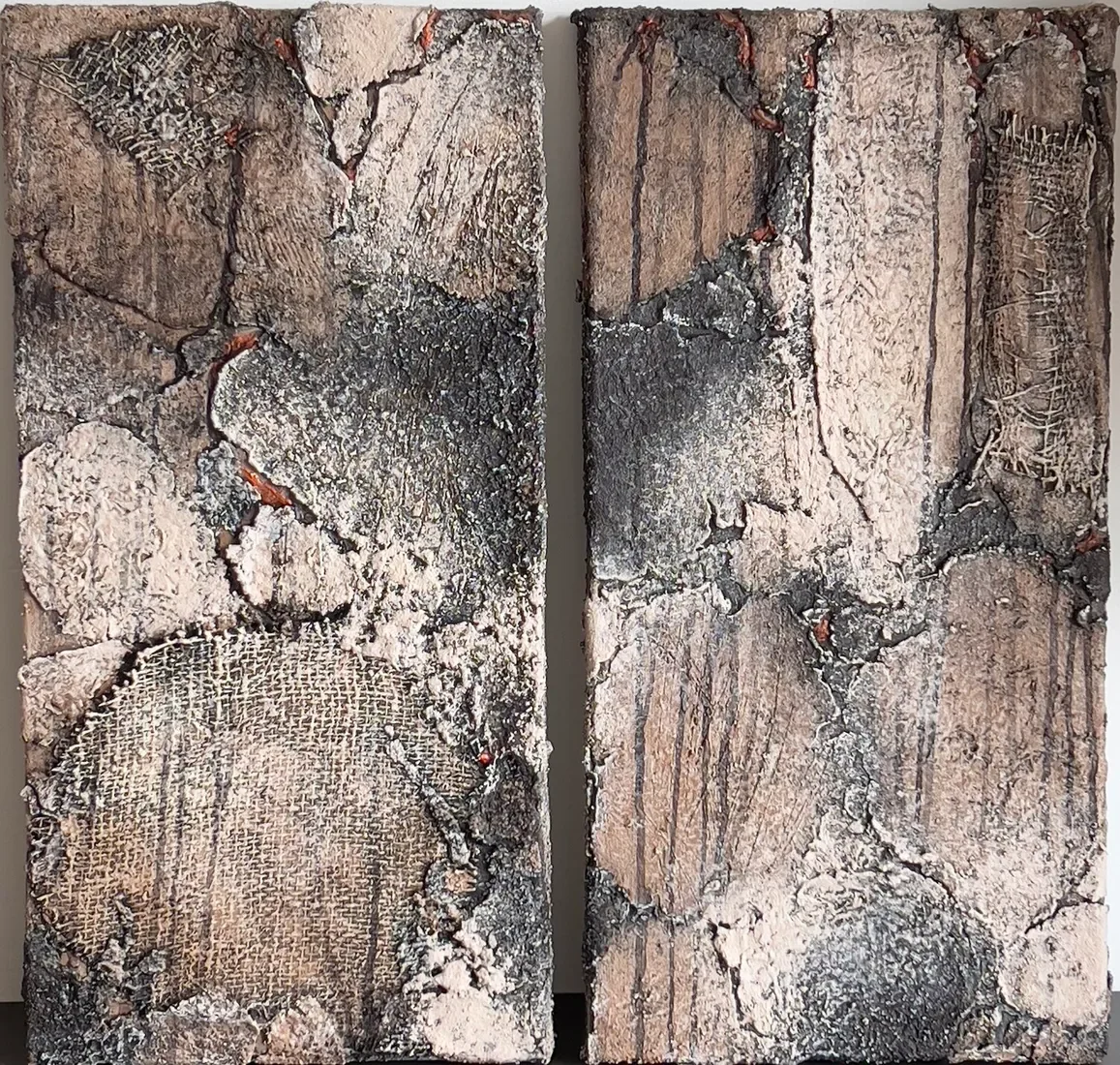
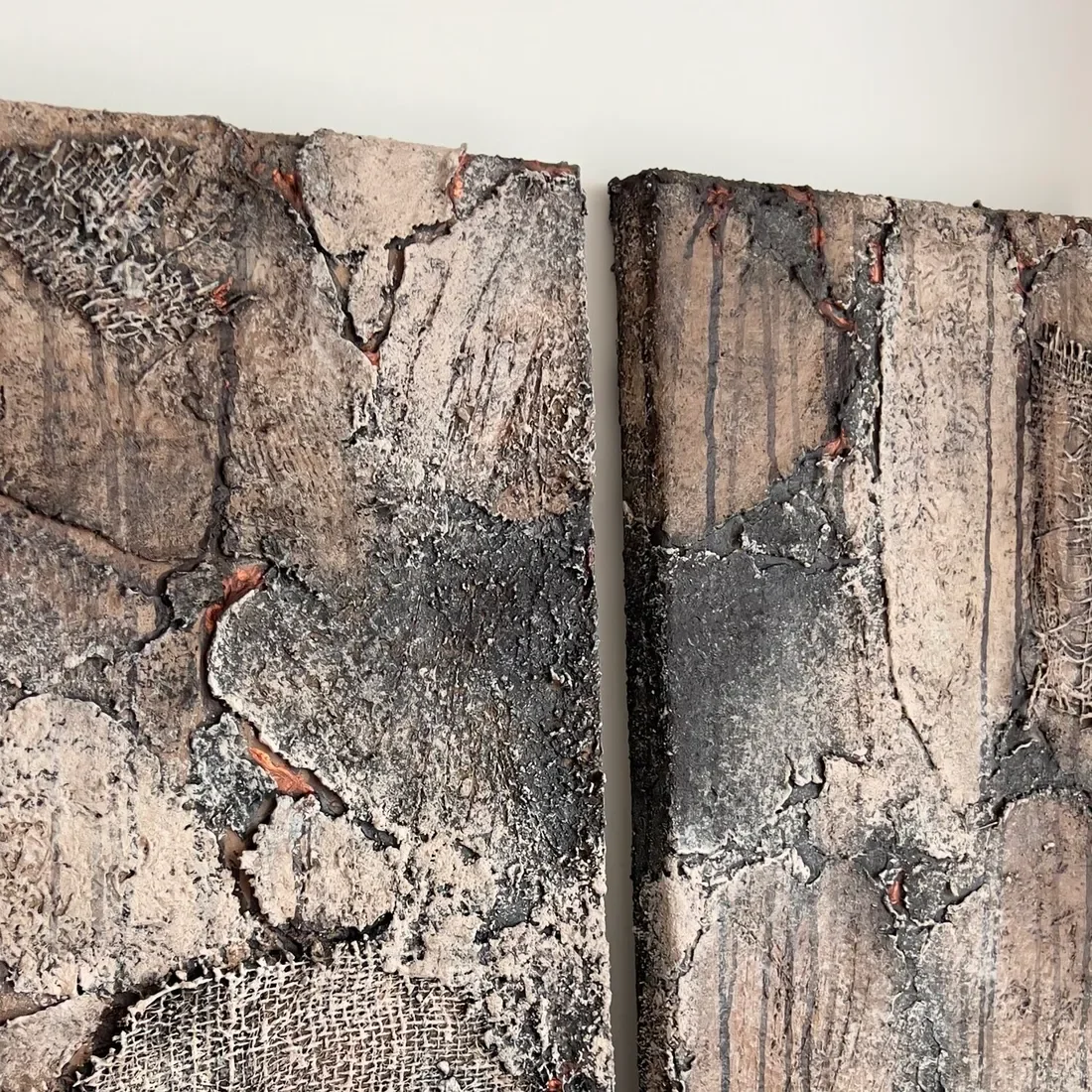
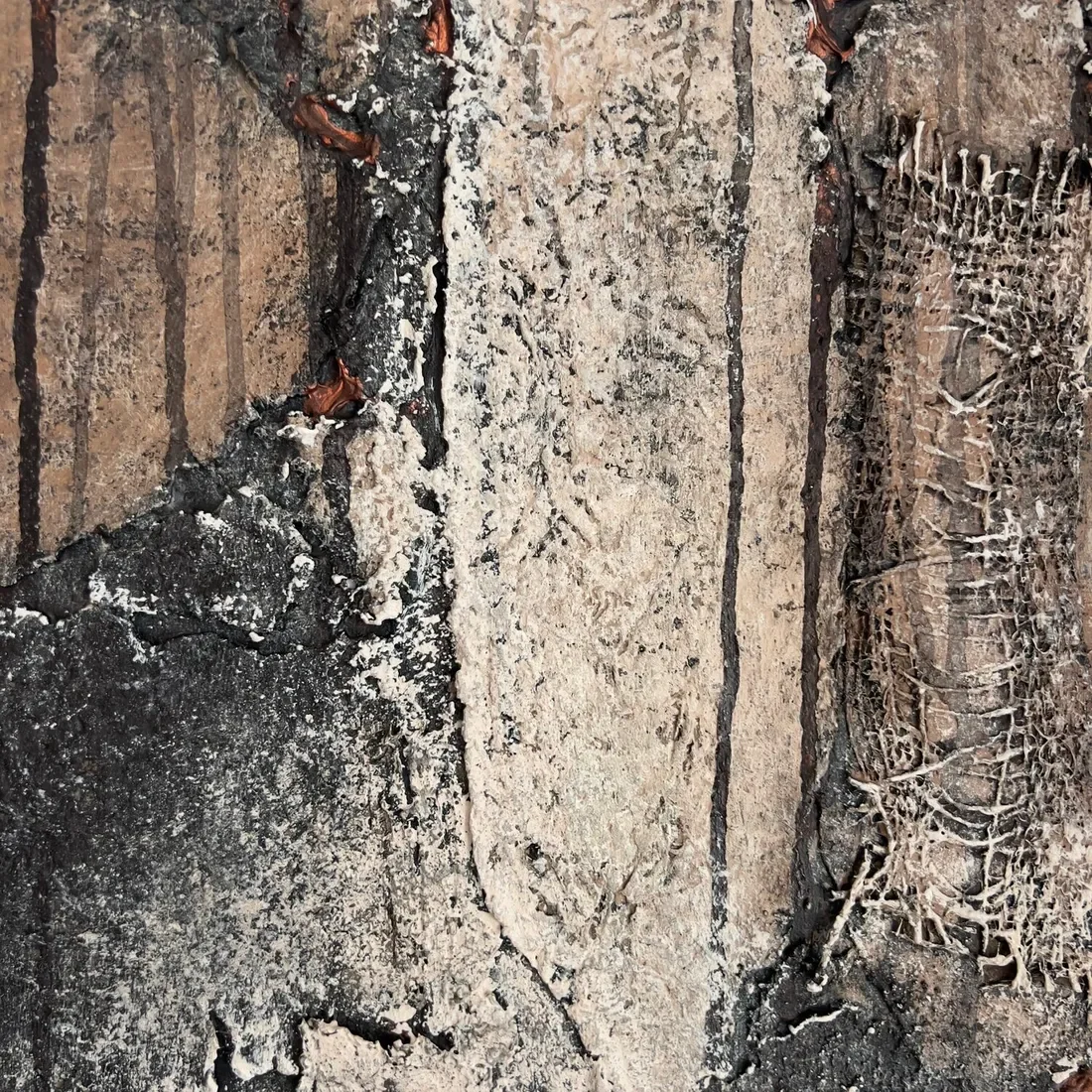
Fissura by Natalia Tykhoniuk
You’ve described your brand Love and Be Young as a “philosophy where beauty, mindfulness, and respect for materials come together to give life to your creations”. When you are in your studio, how do you know when that life has finally appeared in a piece? Is there a specific moment when the material stops being just clay or ash and starts being alive?
In the studio, I do not look for a moment when the work “comes alive.”
I observe how the material moves through change.
Clay dries, contracts, and cracks.
Ash settles, absorbs into the surface, darkens.
Paper mass deforms and forms its own relief.
Matter is always in motion. I simply accompany the process.
There is a moment when the surface no longer asks for my involvement.
The form becomes autonomous.
It no longer obeys the hand; it develops its own logic, its own rhythm.
I feel this physically – through the resistance of the material, its weight, its silence.
Any further action becomes unnecessary.
At that point, the work is finished.
It no longer looks made.
It looks as if it has happened.
You share your poetry on your social media, and it feels like an essential part of your creative identity. Would you say that poetry is a necessary language for you – perhaps for things that even clay cannot express?
I do not think of it as poetry.
For me, it is not a separate genre or a literary practice.
They are simply words that appear during the work.
Sometimes the material is enough.
The surface speaks for itself.
Sometimes a phrase remains – short, precise, like a mark or a trace.
I treat words the same way I treat ash, clay, or dust.
They are another layer. Another way to register a state.
The text does not explain the work or accompany it.
It arises from the same process.
Some things can only be lived through matter.
Others through language.
In both cases, it is the same gesture – an attempt to hold a moment before it
disappears.
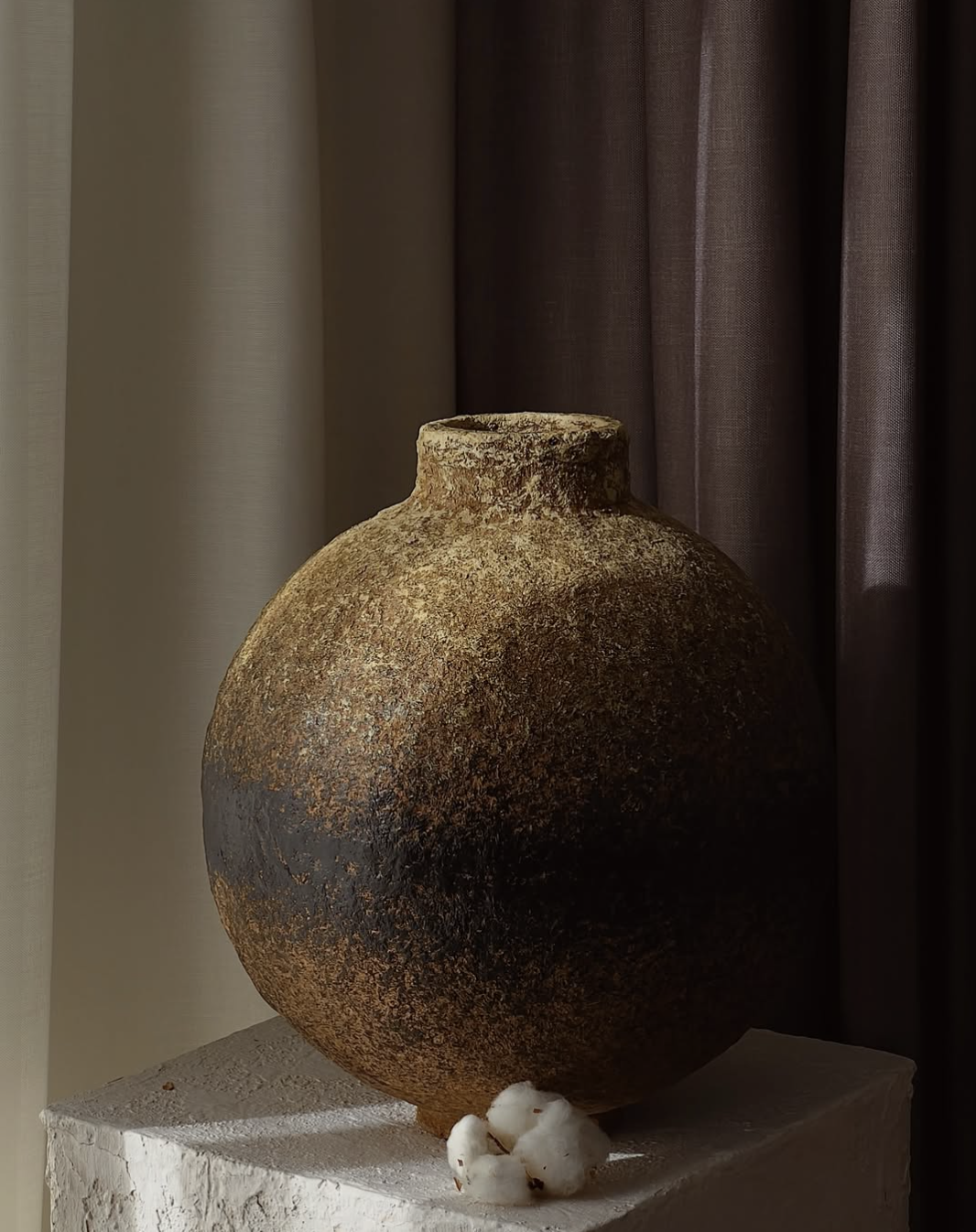
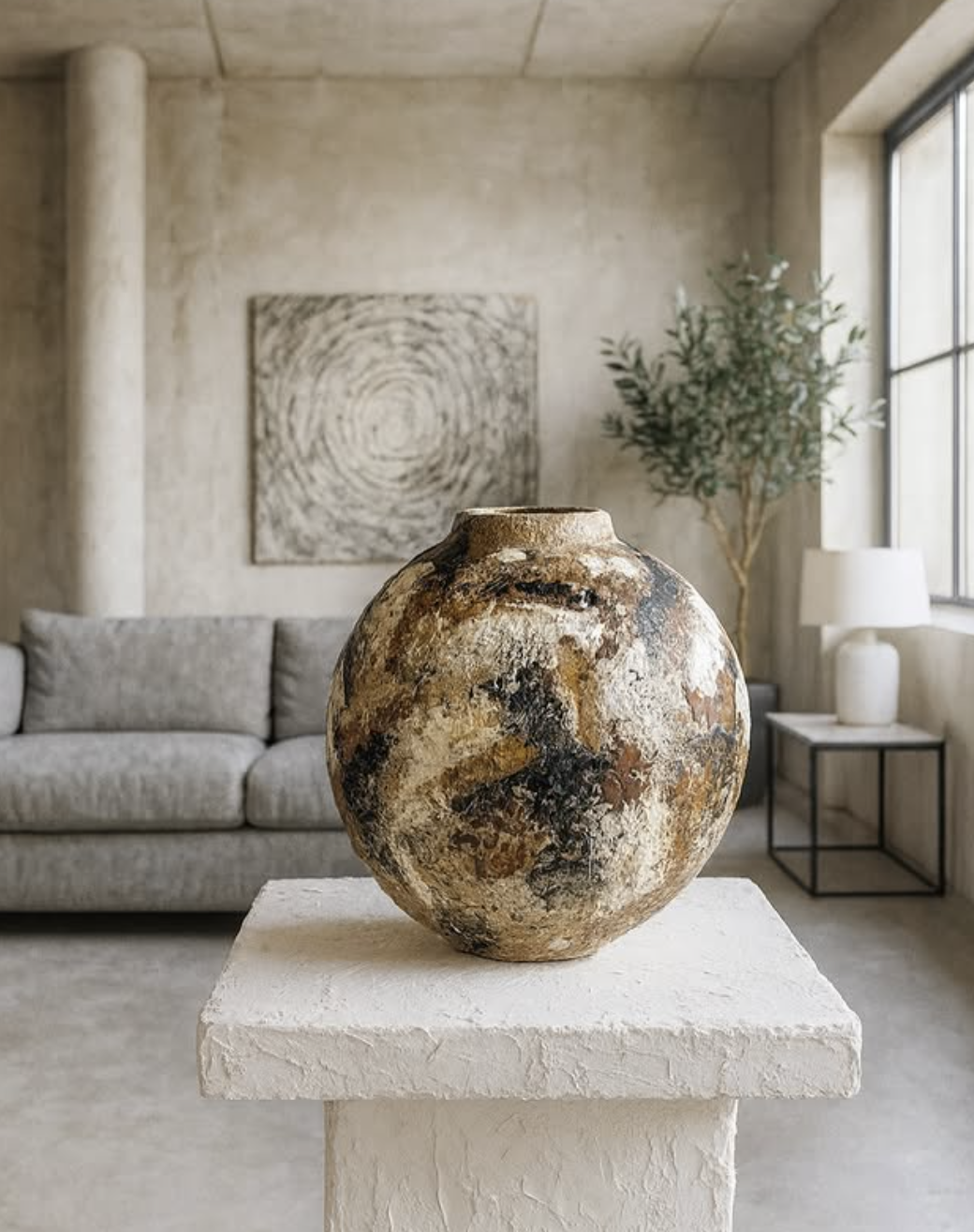
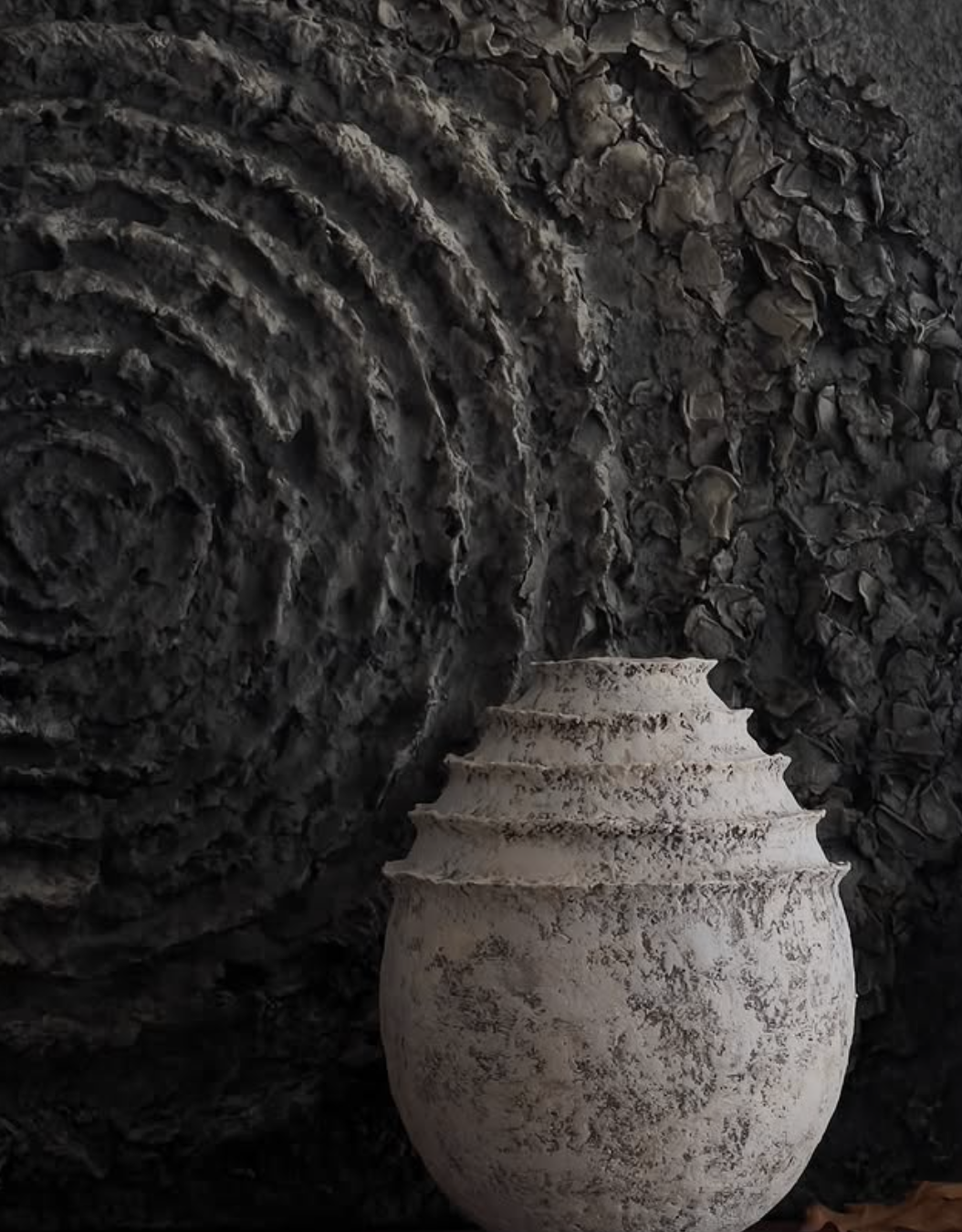
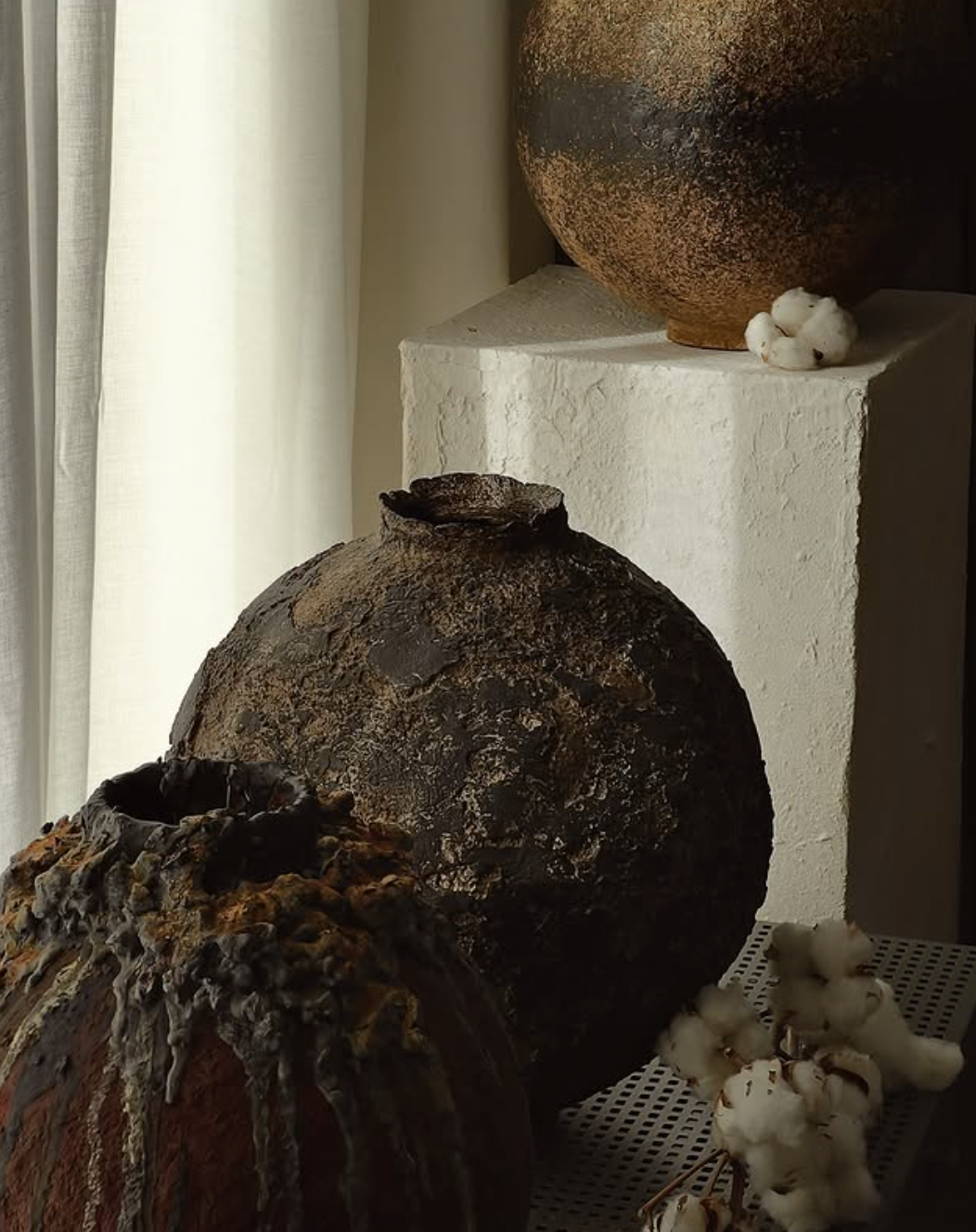
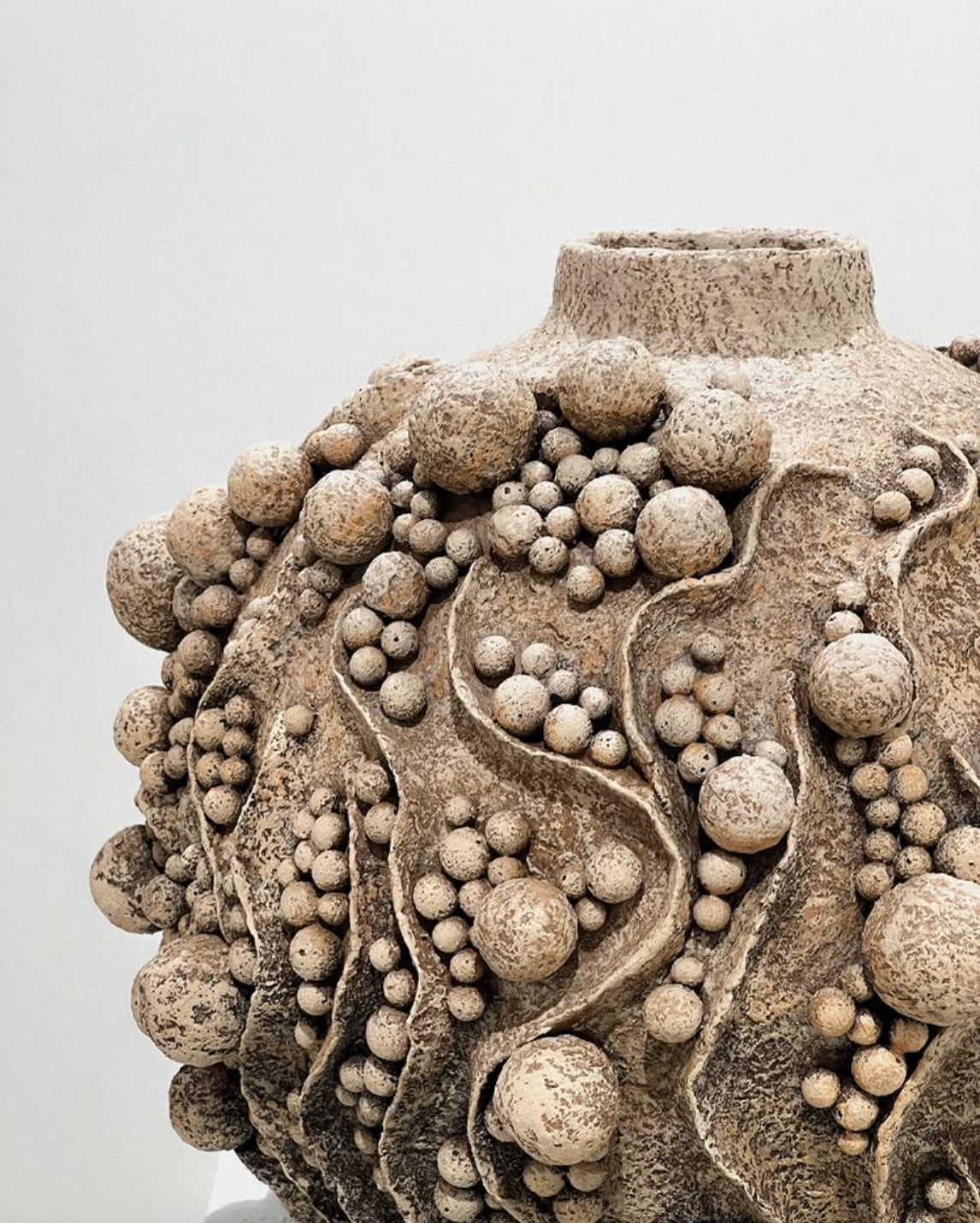
Courtesy of Natalia Tykhoniuk
When these words come to you, is it a sudden “spark”, or do you find them through the same rhythmic process you use to shape your sculptures?
It is not a spark or a sudden idea.
Words do not come separately from the work.
They arise within the process.
While I build the surface, mix materials, wait for layers to dry, repeat the same
gestures, a rhythm forms. Within that rhythm something gradually accumulates.
Sometimes a short phrase remains.
The way a crack remains.
Or a trace of ash.
I do not search for words deliberately.
They appear on their own – like sediment left by the time spent in the studio.
It is the same tempo as sculpture.
The same pauses. The same returns. The same silence.
For me, text is not a separate act.
It is a continuation of the movement of the hand.
In your description of La Traversée, you mention that while “horizontal layers accumulate and erode, a vertical fissure marks a point of transition – a crossing.” You say the work embodies “movement through” rather than representation. Does this “crossing” refer to the physical behavior of the material itself, or is it a broader reflection on the way you’ve had to transform as an artist?
Material behaves the way the world behaves.
It accumulates in layers, compresses, cracks, separates.
The pressure of time remains within it.
In La Traversée, the horizontal layers function like sediment of memory.
This is how bark grows.
This is how rock strata are formed.
Time deposits itself layer by layer.
The vertical fissure appears naturally within this structure.
It cuts through the surface like a geological shift.
It has no direction – neither upward nor downward.
It is simply a line of passage.
I do not think of it as a symbol.
My life moves through the same processes.
I do not separate one from the other.
The work does not represent movement.
It is movement itself.
“It no longer looks made. It looks as if it has happened.”
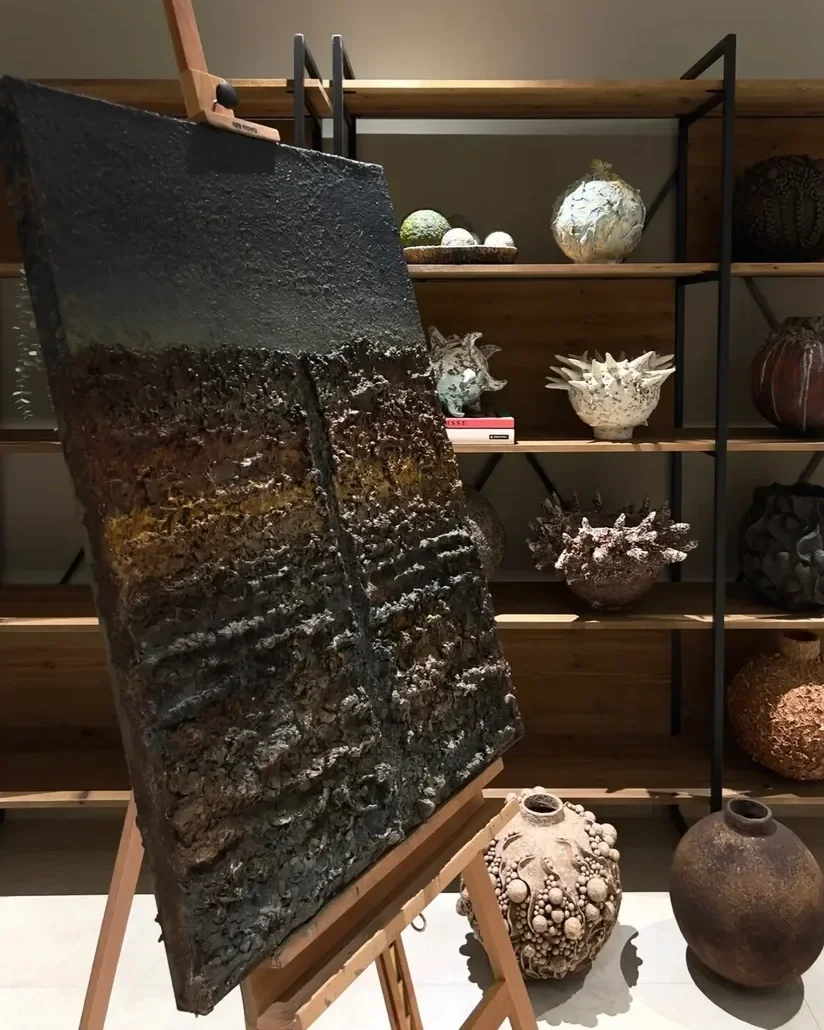
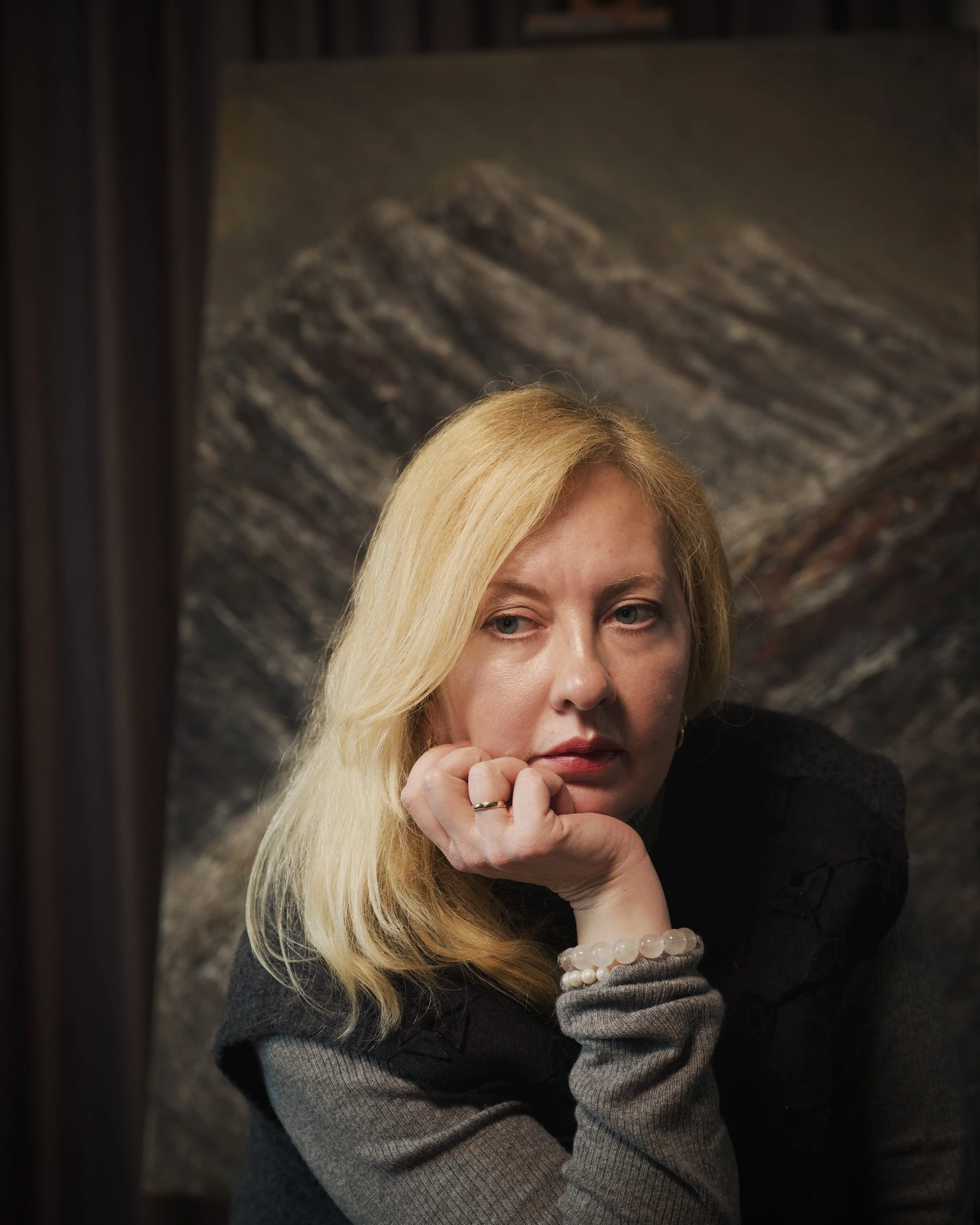
Courtesy of Natalia Tykhoniuk
In 2022, Ukrainians were forced to “cross” the line from a normal life into a reality that feels permanently fractured. If we look at your work from before that time versus now, how has that “crossing” changed you personally and your internal vision? Do you feel that you seek different stories now than before?
Much has been said about the war, and still any words are insufficient.
It was not a transition or a stage.
It was a rupture.
Life divides into “before” and “after.”
Between them there is no gradual movement, only a line of shift.
The previous layer remains below, like ground.
Another begins to form above it.
The works changed for the same reason.
I do not try to speak about the war directly.
The very substance of the world changed.
It became heavier.
Darker.
Denser.
The surface holds more cracks, more sediment, more silence.
Material behaves the way the world behaves.
What happens to the earth happens to a person.
I do not separate one from the other.
The work continues as the same process – accumulation, pressure, fracture,
continuation.
What is the feeling or idea you hope people carry away after “crossing” into your world at this exhibition?
I do not think about what the viewer should feel.
The works do not create a mood or deliver a message.
They form a space that already exists on its own.
It is a space of matter and time.
When someone enters it, they encounter not an image, but a surface – weight,
texture, substance. Something that holds traces.
What matters to me is a simple sense of presence – contact with material that
remembers more than a person can.
Layers, cracks, sediment always speak of time.
Of what has been.
And what will be.
Sometimes these two states meet within a single moment – the present.
If the work allows someone to pause and sense this, it is enough.
Natalia isn’t trying to explain the world to us – she’s just showing us how it behaves. Her art doesn’t give answers or structure – it gives us space to breathe. She invites us to get rid of the line between us and art. To stop for a second this constant search for a story or meaning and start being a part of it. To start feeling. Not to curate, but to accompany the process.
See more of Natalia’s work on Instagram.
Article by Vasya Kavka
Based in Ukraine, Vasya Kavka is a writer working at the intersection of contemporary art and digital culture. Through his platform @ambient.delusion, he researches emerging and underground artists, publishing interviews and editorial features that move beyond aesthetics to examine context, creative process and cultural relevance. His work is driven by curiosity and a commitment to thoughtful, accessible storytelling that situates artistic practices within the broader currents shaping contemporary culture.