
MARGHERITA MARZARI: TRANSLATING THE MOMENT INTO ABSTRACTION
"I think what makes my journey unique is that I've changed my mind many times. Yet one thing has always remained constant: the search for a way to express myself and the need to create something."
There is a common belief that becoming an artist requires following a clear and linear path, much like pursuing a profession such as law or medicine. Yet art rarely emerges from a predetermined route. Instead, it takes shape through experiences, detours, reconsiderations, and constant transformation. It is a language that develops over time, through experimentation and changes of direction. Margherita Marzari, a young Italian artist born in Trento, embodies this kind of journey.
Margherita never considered herself a "child prodigy." As a child, she drew only occasionally. Her creative inclination emerged during high school, but it was at the Academy of Fine Arts in Verona that she truly began developing her artistic research. Initially, she enrolled in the Theatre Set Design program, attracted by a discipline capable of bringing together space, costume, imagery, and photography. This multidisciplinary education proved fundamental in shaping her visual language and gradually led her toward an increasingly abstract approach to painting.
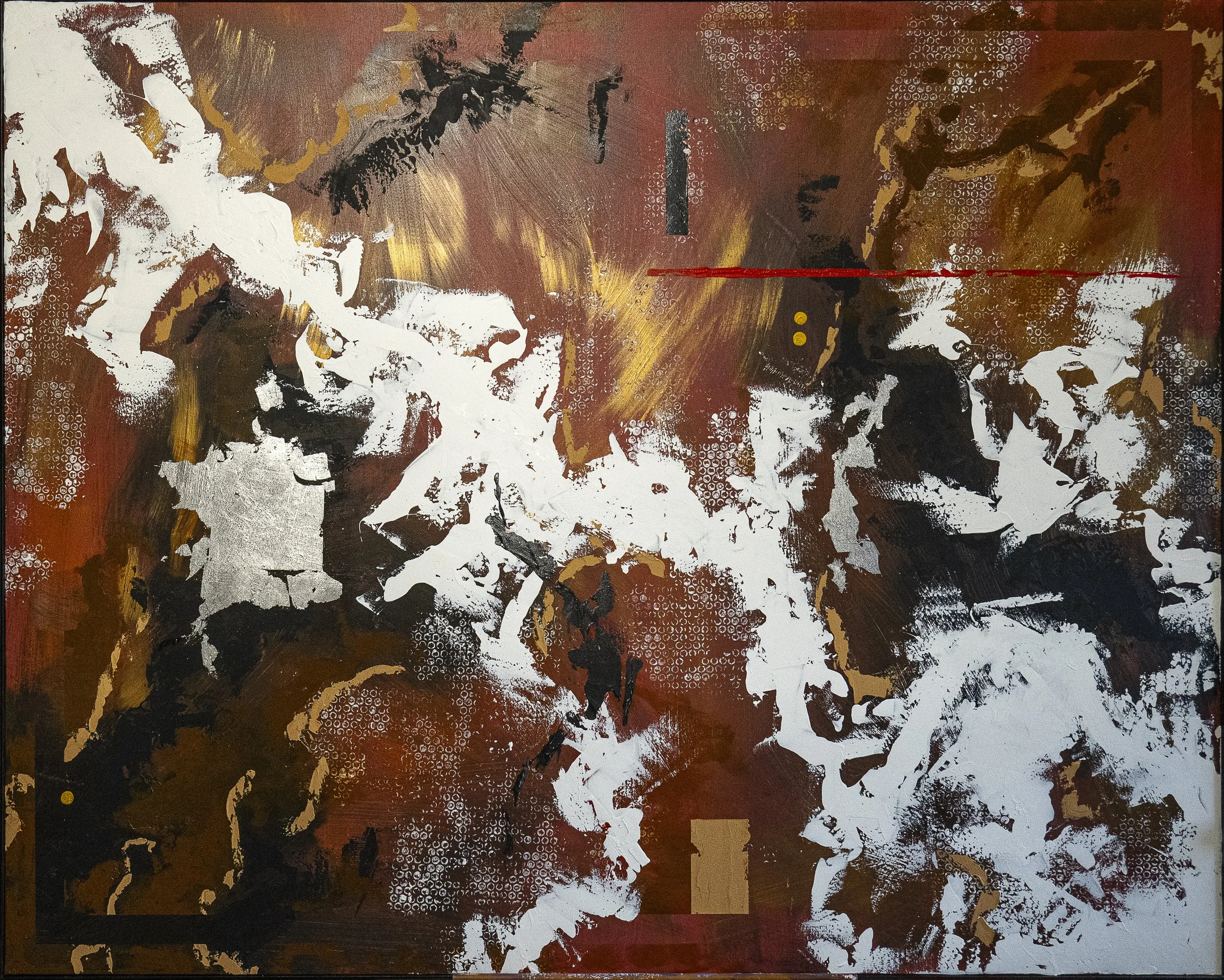
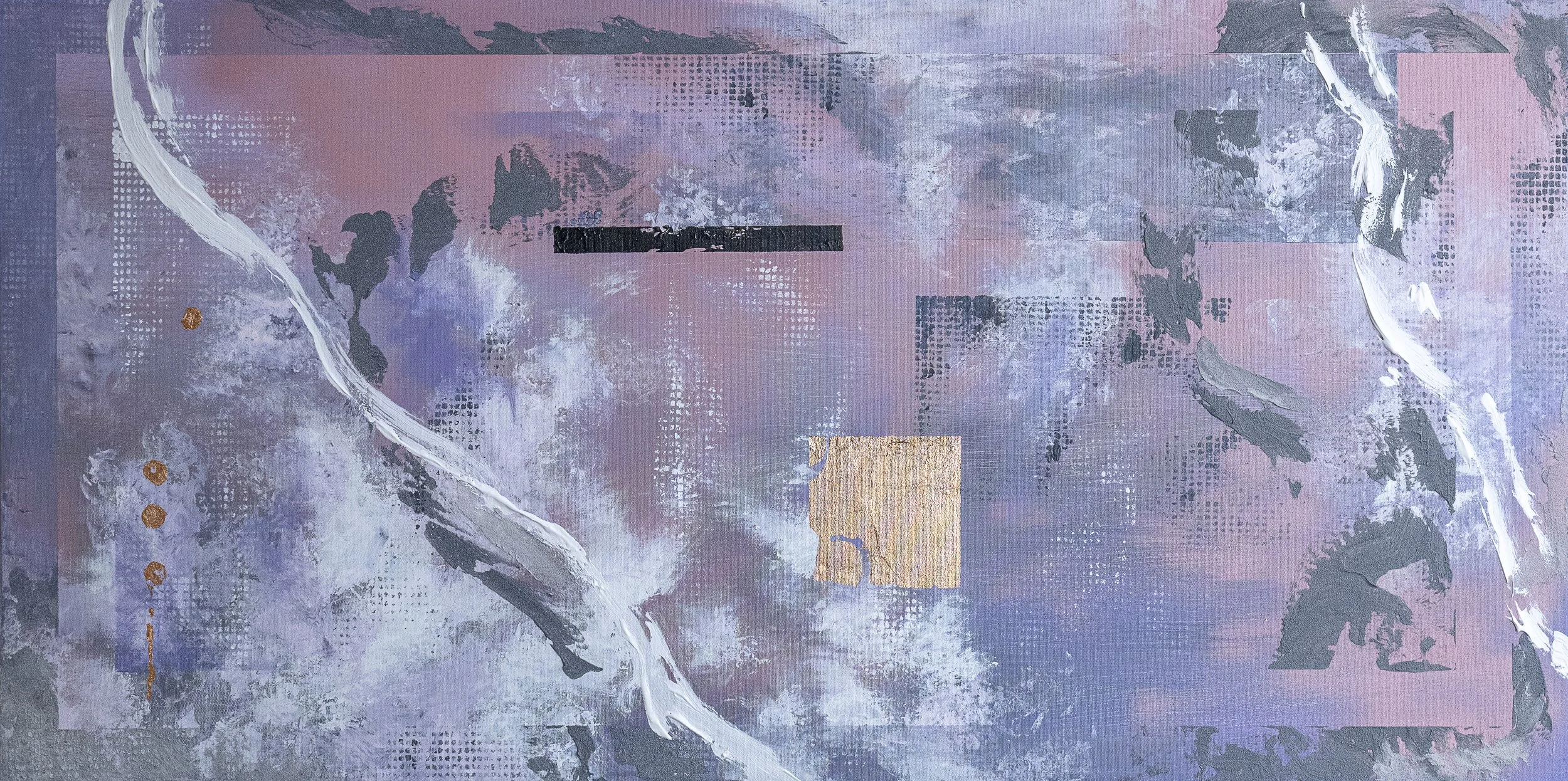
Rocks, Margherita Marzari, 2026
"Abstract painting emerged out of necessity: it allows me to transform a fleeting emotion into something tangible."
For Margherita, abstraction is not an escape from reality but perhaps the most direct way of inhabiting it. Painting becomes a space where the present can take shape, translating emotions and perceptions into images that do not describe but evoke. Rather than representing reality, her works seek to reveal its most intimate and perceptual dimension: the one that often escapes language.
After completing her studies, she moved to Rome, where she also began working in the film industry, a field she continues to be involved in today. Her experience in cinema constantly informs her artistic practice, fostering a sensitivity to image construction, light, compositional rhythm, and narrative. Though distinct, these two creative languages continuously enrich one another.
Every work originates from a specific moment, often sparked by an emotional urgency. As the artist explains, it begins with «qualcosa che devo elaborare e che sento il bisogno di trasformare in una forma concreta» ("something I need to process and feel compelled to transform into a tangible form"). Painting becomes a means of reflection; a place where experiences can be preserved before they fade away. In recent years, she has also embraced commissioned work, a different yet equally stimulating process that requires engaging with another person's emotional world while remaining faithful to her own artistic language.
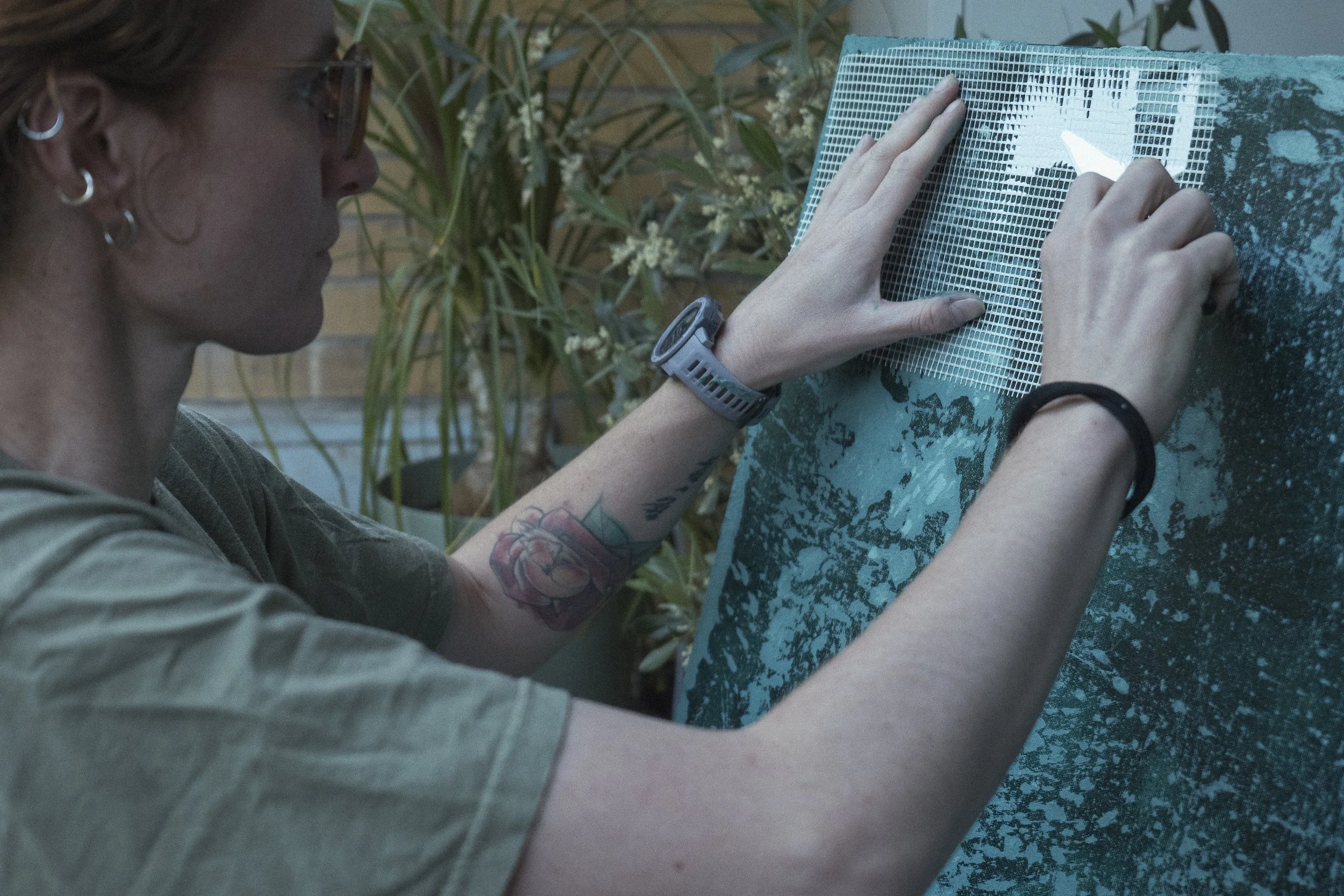
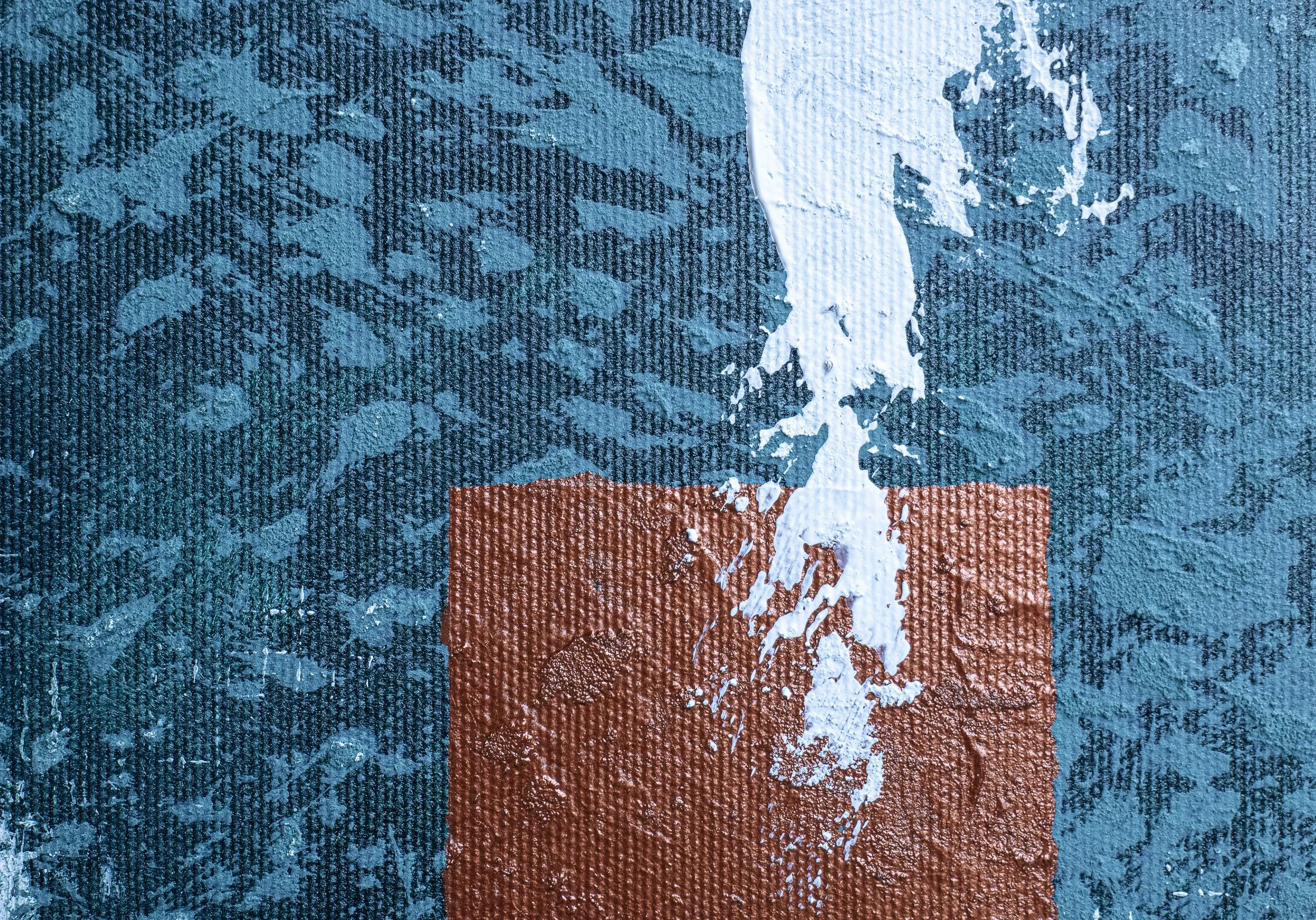
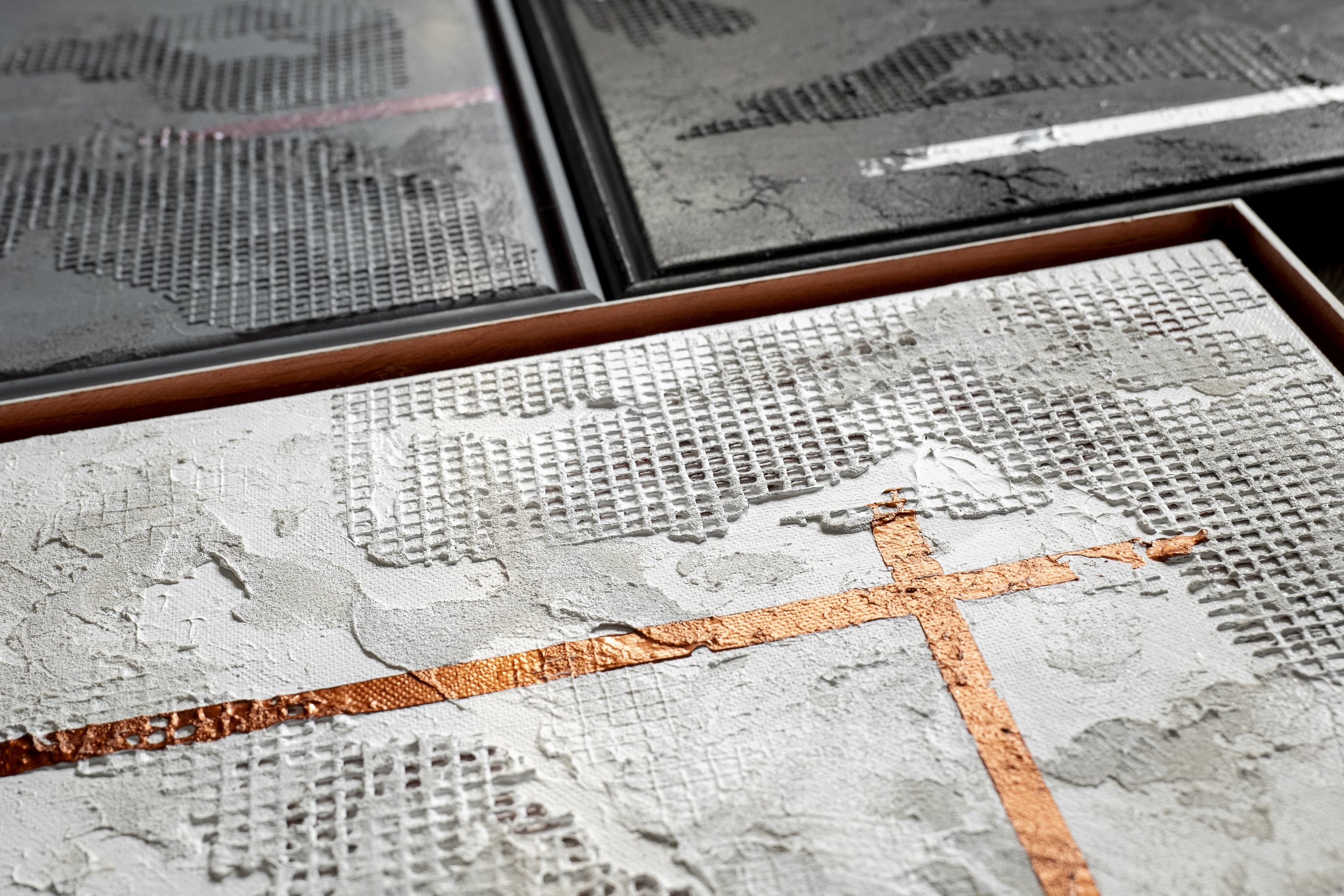
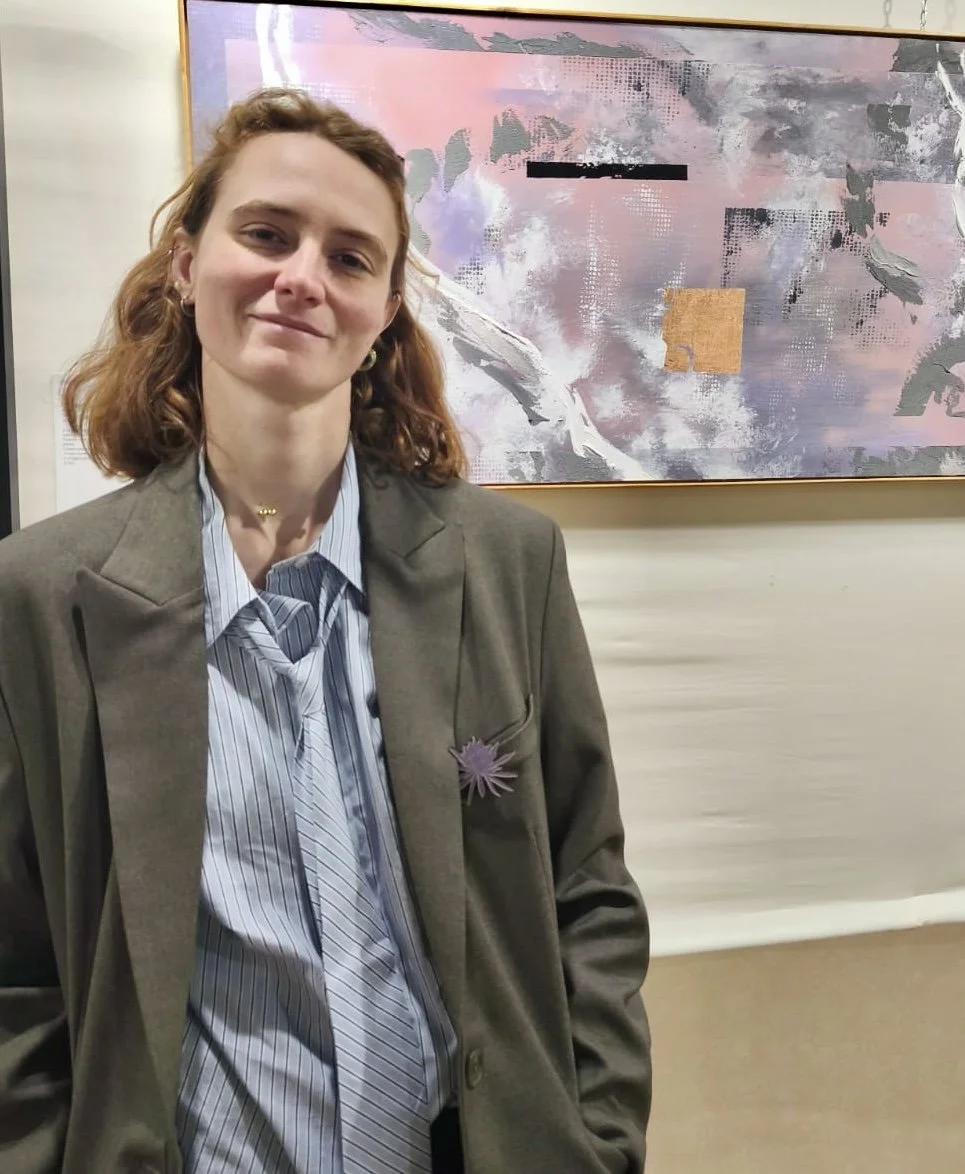
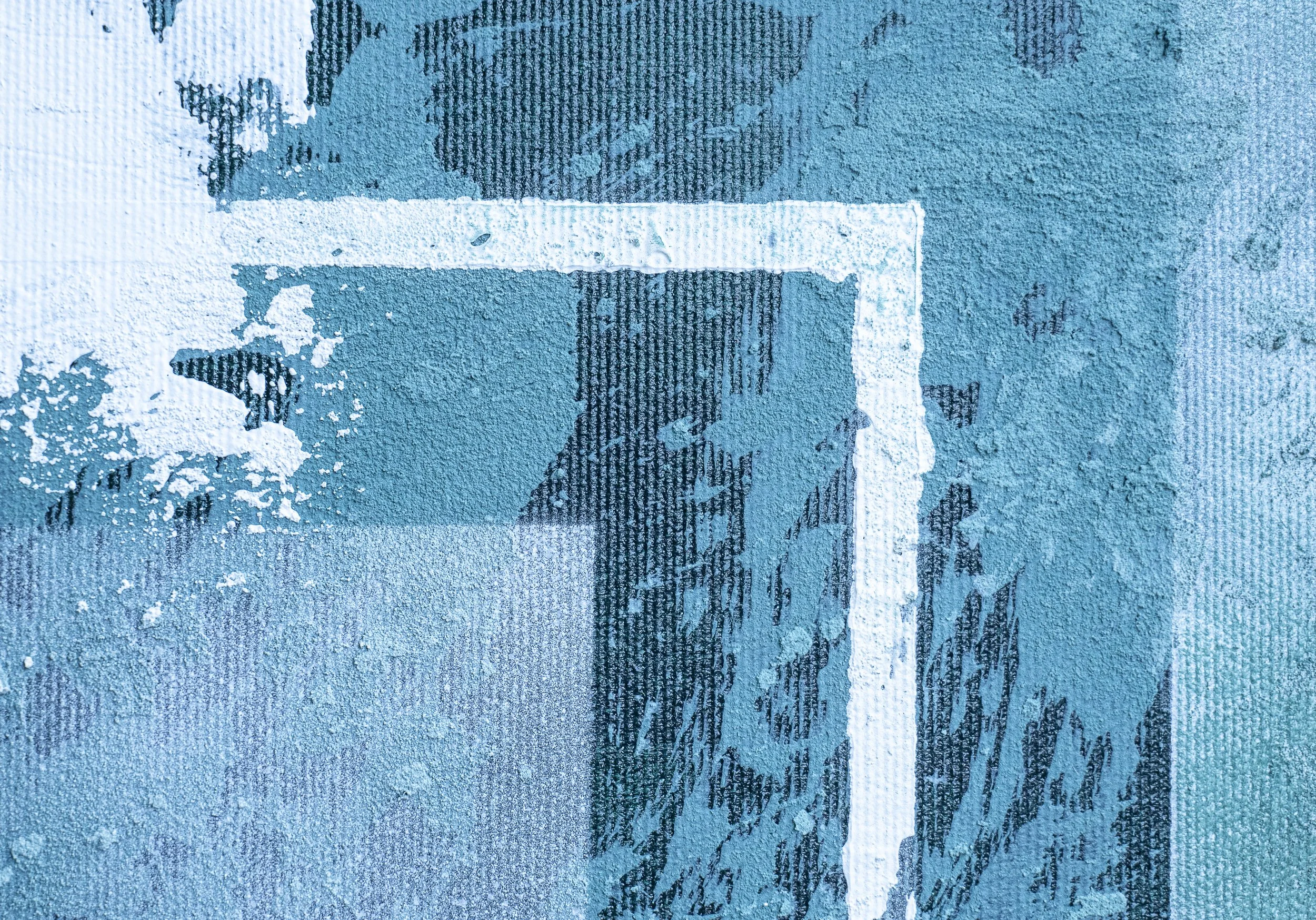
Courtesy of Margherita Marzari
Within Margherita's practice, color and materiality are inseparable. Color, before being an aesthetic choice, functions as a system of associations: it carries memories, people, and emotions rooted in her personal experience. Some colors emerge instinctively because they are linked to vividly remembered moments; others require a slower and more complex process of elaboration. As a result, color moves beyond the search for chromatic harmony and becomes an intimate language, capable of preserving fragments of lived experience and making them present once again.
"Color is not merely an aesthetic choice; it often carries a deeply personal memory."
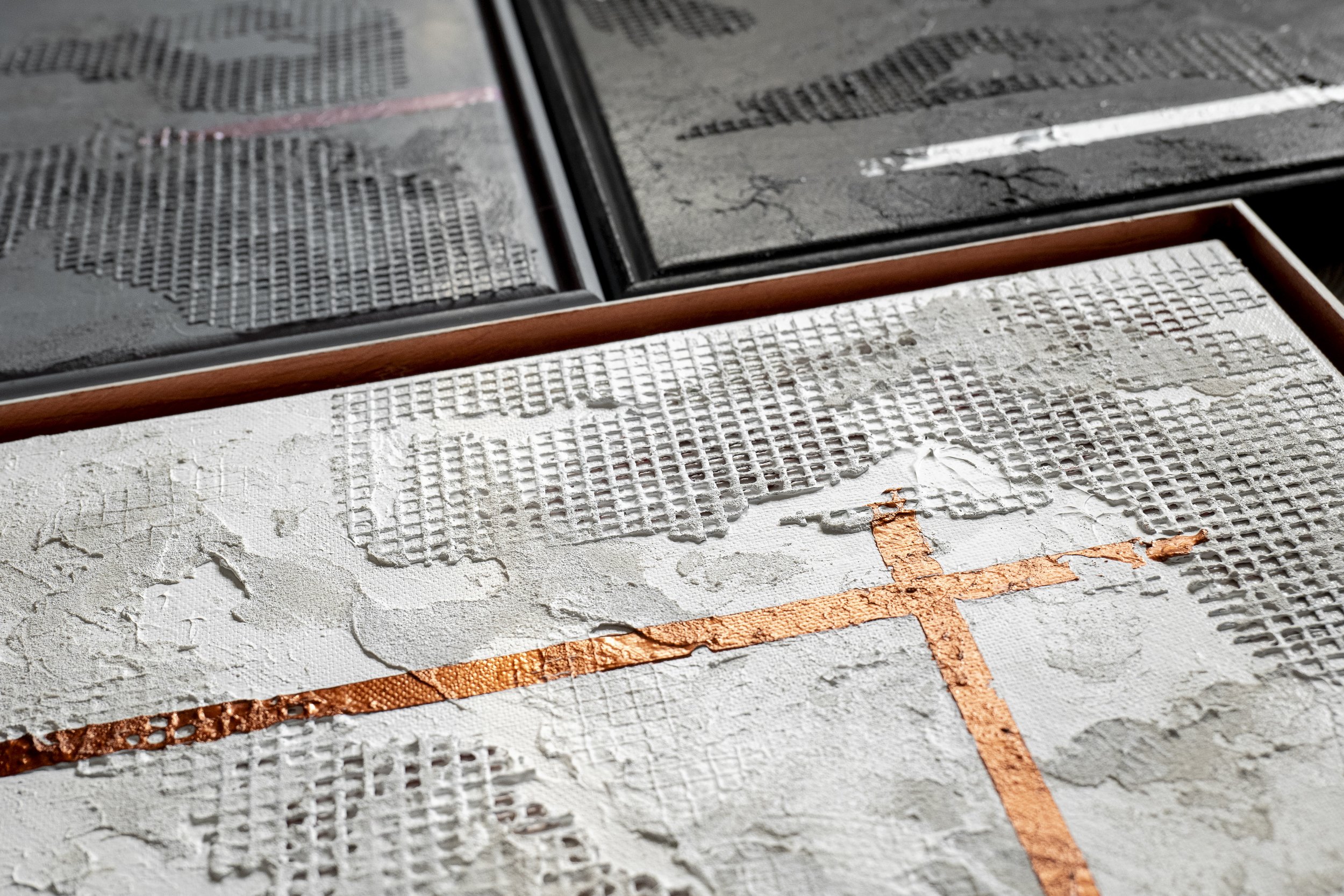
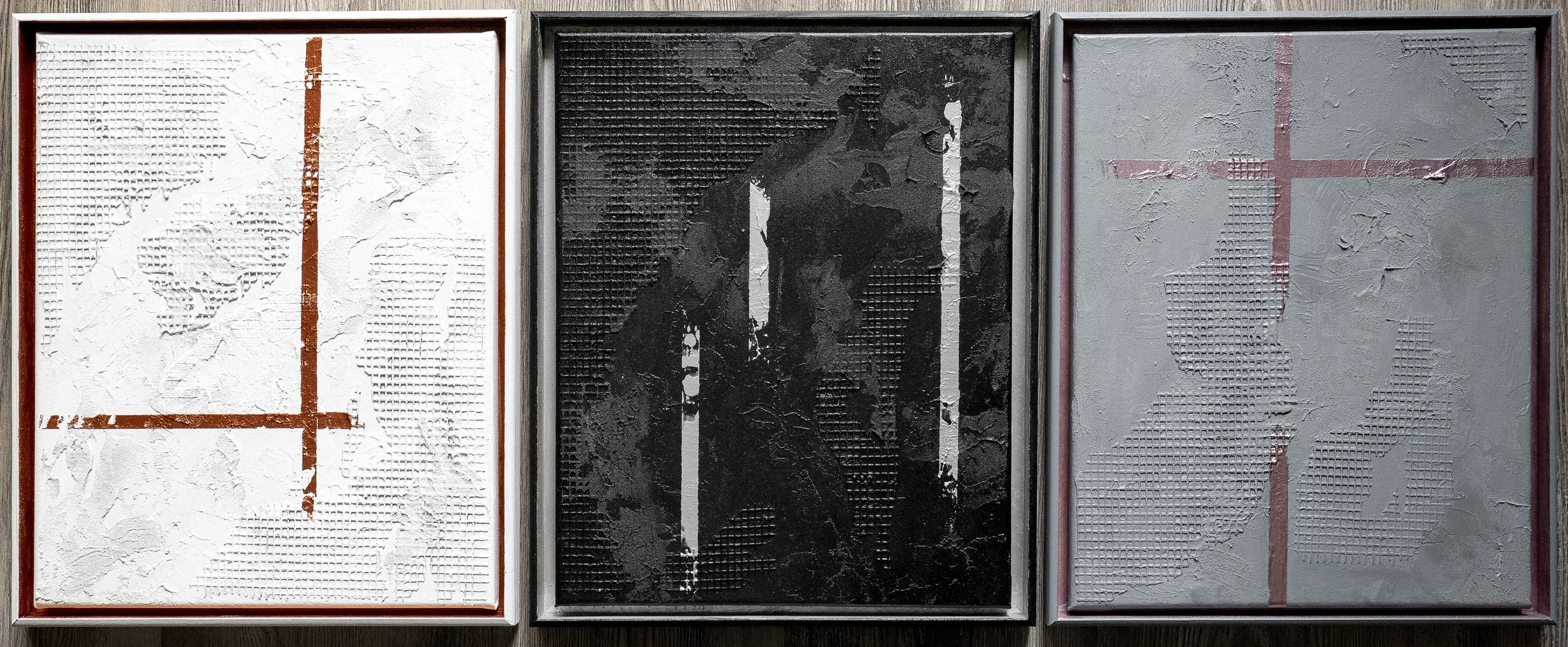
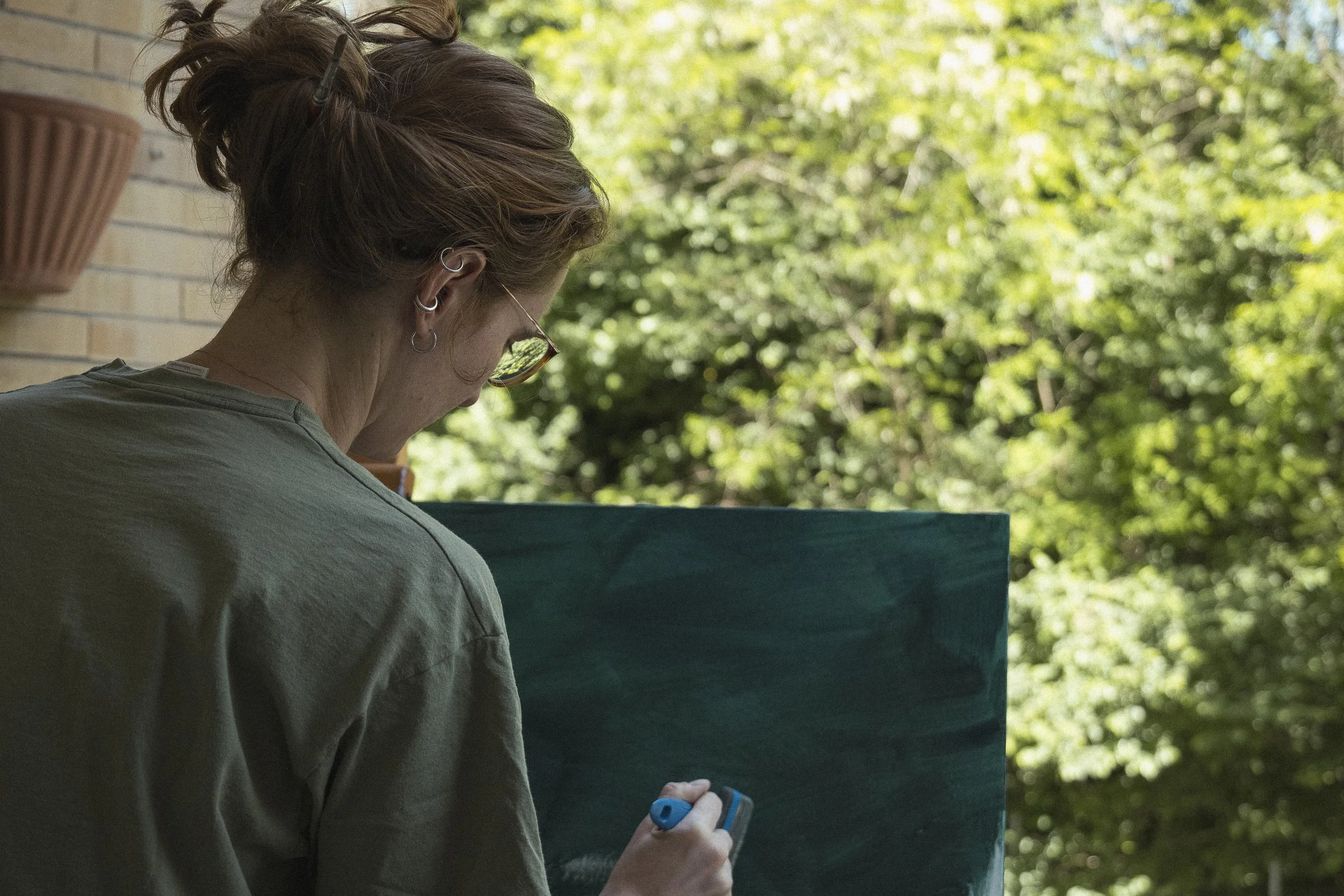
The same sensitivity extends to the materiality of her paintings. Margherita favors the palette knife over the brush, constructing her works through successive layers of paint. As a result, the pictorial surface acquires an almost sculptural presence, becoming an integral part of the viewing experience. The canvas also becomes a tactile laboratory for the artist herself, who feels the need to touch it, perceive its texture, and follow its transformations through matter. The surface is no longer simply a support but a living space that retains the memory of every gesture.
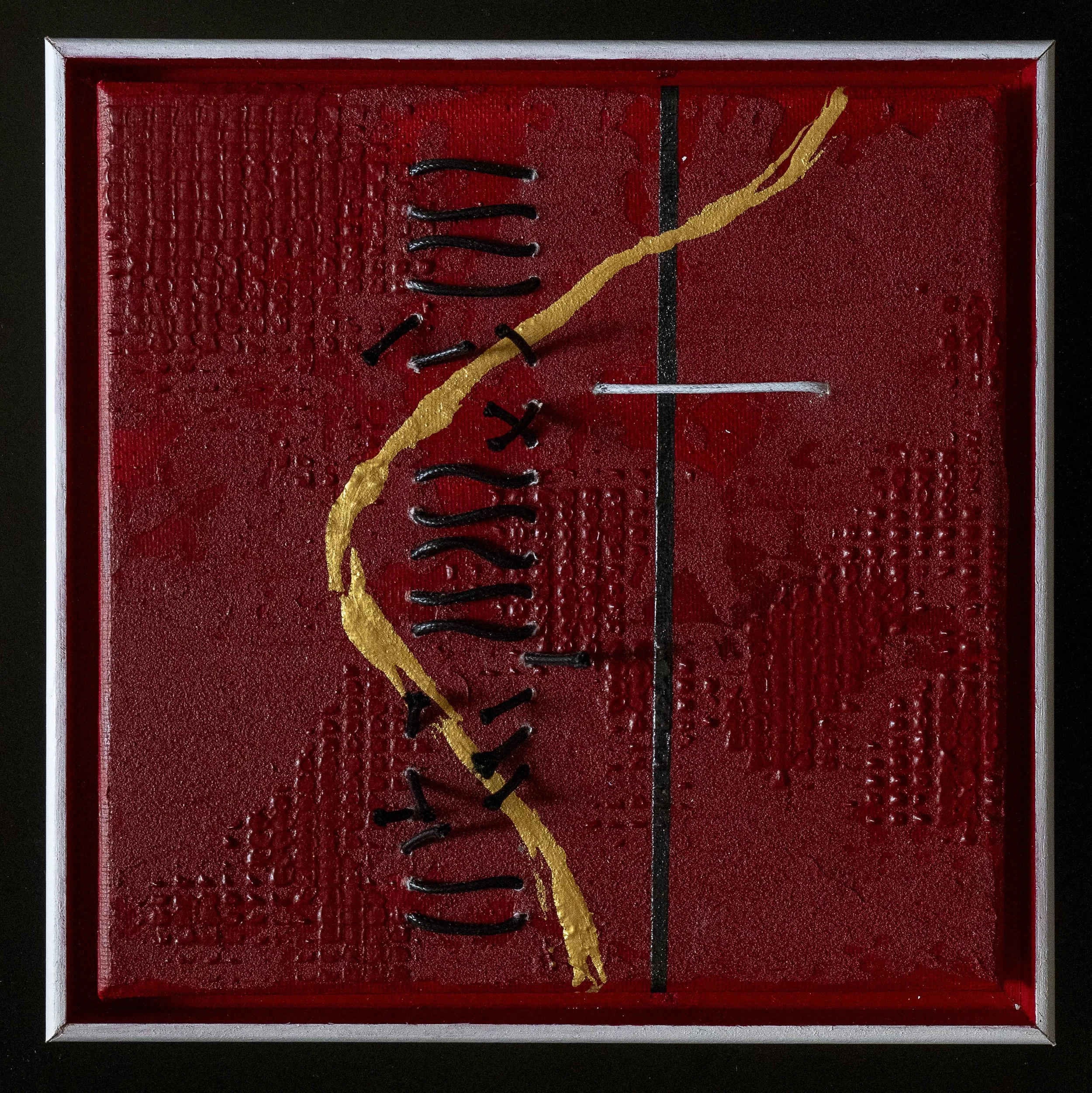
Tre colore rosso, Margherita Marzari
"When someone tells me they feel the urge to touch one of my works, I take it as a compliment, because it means the material is communicating."
Even when painting portraits, resemblance is never her primary goal. Instead, she seeks to convey a person's emotional atmosphere, translating their presence into fields of color, texture, and gestural marks. Identity emerges not through the precision of facial features but through a constellation of sensations, vibrations, and chromatic relationships.
Within this practice, imperfection is never considered a flaw but an essential part of the creative process.
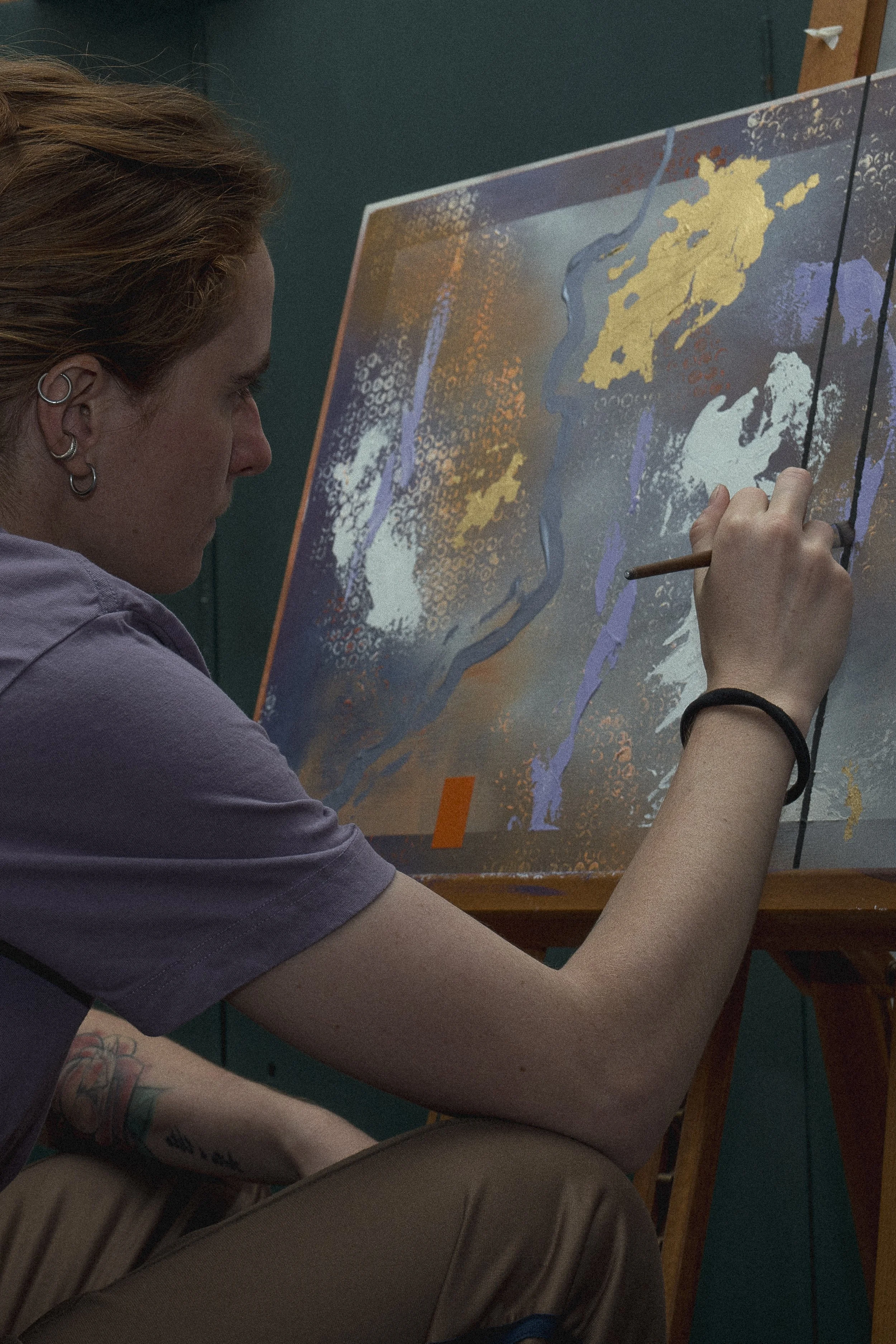
Courtesy of Margherita Marzari
"A smudge, an imperfect mark, or something that isn't entirely controlled is part of the process."
Margherita's painting is profoundly contemporary while remaining in dialogue with art history. This dialogue operates less on a technical level than on an emotional one, through the ability to evoke presence, atmosphere, and memory through color. Her visual sensibility is informed by Impressionism and Post-Impressionism, while the relationship between chromatic fields and perceptual experience recalls the legacy of Mark Rothko, alongside Anish Kapoor's exploration of materiality and perception.
At the end of our conversation, I asked Margherita to describe her work in three words. After a brief pause, she answered:
"Material, multifaceted, synesthetic."
Three adjectives succinctly capture the richness of her artistic research and the nature of a painting that simultaneously engages sight, memory, touch, and emotion. Ultimately, this is the essence of her practice: transforming a fleeting moment into a visual experience capable of enduring over time.
See more of Margherita Marzari’s work on Instagram.
Article by Desideria Manzini
Working between Italy and France, Desideria Manzini specializes in cultural management, strategy, and communication. She has worked and collaborated with private art institutions, contributing to the development and positioning of cultural projects within an international context. Alongside her strategic practice, writing plays a central role in her work: a tool for analysis, critical reflection, and cultural interpretation. Through her texts, she explores the intersections between art, heritage, and contemporary discourse.