DOES ART IN BUSINESS GENERATE REAL ROI?
Co-creation, identity, innovation: here’s why investing in art pays off
We live in a time when authenticity is a rare commodity. Brands are forced to appear “real”, often constructing false narratives just to capture a growing demand for meaning.
Art, on the other hand, does not need to pretend to be authentic: it is authentic by nature, and those who create it carry a recognizable identity.
This is where the artist comes into play as a generator of symbolic value: not only for the work they create, but for what they represent. The artist becomes a strategic lever for those who want to build a recognizable and memorable brand, able to stand out without resorting to yet another soulless storytelling.

Courtesy of Martin Naumann (@mnaumanndesign)
ROI & results: why it makes sense to invest even if the numbers don’t come immediately
One of the most cited obstacles is the difficulty of measuring results. Art does not lend itself to traditional KPIs. It requires time, trust, vision. But this does not mean it does not generate returns. On the contrary: well-managed collaborations generate internal creative stimulus, widespread motivation, process rethinking, new networks, reputational enhancement.
The problem is often in the method, not the medium. To achieve returns, clear objectives, adequate timing, and skilled art-business mediation that facilitates dialogue are needed.
“Art may resist traditional KPIs, but its return is undeniable: it fuels creativity, reshapes thinking, and elevates reputation in ways numbers alone cannot capture.”
The key is mediation and co-design
The success of an art-business project does not depend (only) on the artist’s talent or the entrepreneur’s vision, but on the quality of mediation between the two worlds, with the aim to:
translate the languages between the parties
select the right artist according to the company’s objectives
guide the design process with curatorial, managerial, and relational skills
measure results, both tangible and intangible
When this approach is missing, the risk of misunderstanding is high. But when it is present, it can transform an abstract idea into a real process of corporate change.
From experiment to strategy: building an ecosystem of value
Today, many small and medium-sized companies approach art timidly, almost experimentally. But the future of the art-business relationship is not in the “trial,” but in long-term vision.
The companies that will gain the greatest advantages will not be those commissioning one-off works, but those integrating the artistic relationship into their cultural and operational model.
Because art, when it is part of the process, does not only serve to “communicate better.” It serves to think better, work better, and exist better in the market.
Art is not a luxury, but a strategic lever
It is not a marketing budget item, but a resource for change.
It’s not a question of “can we afford it?”
The most useful question is: “Can we really afford not to try?”
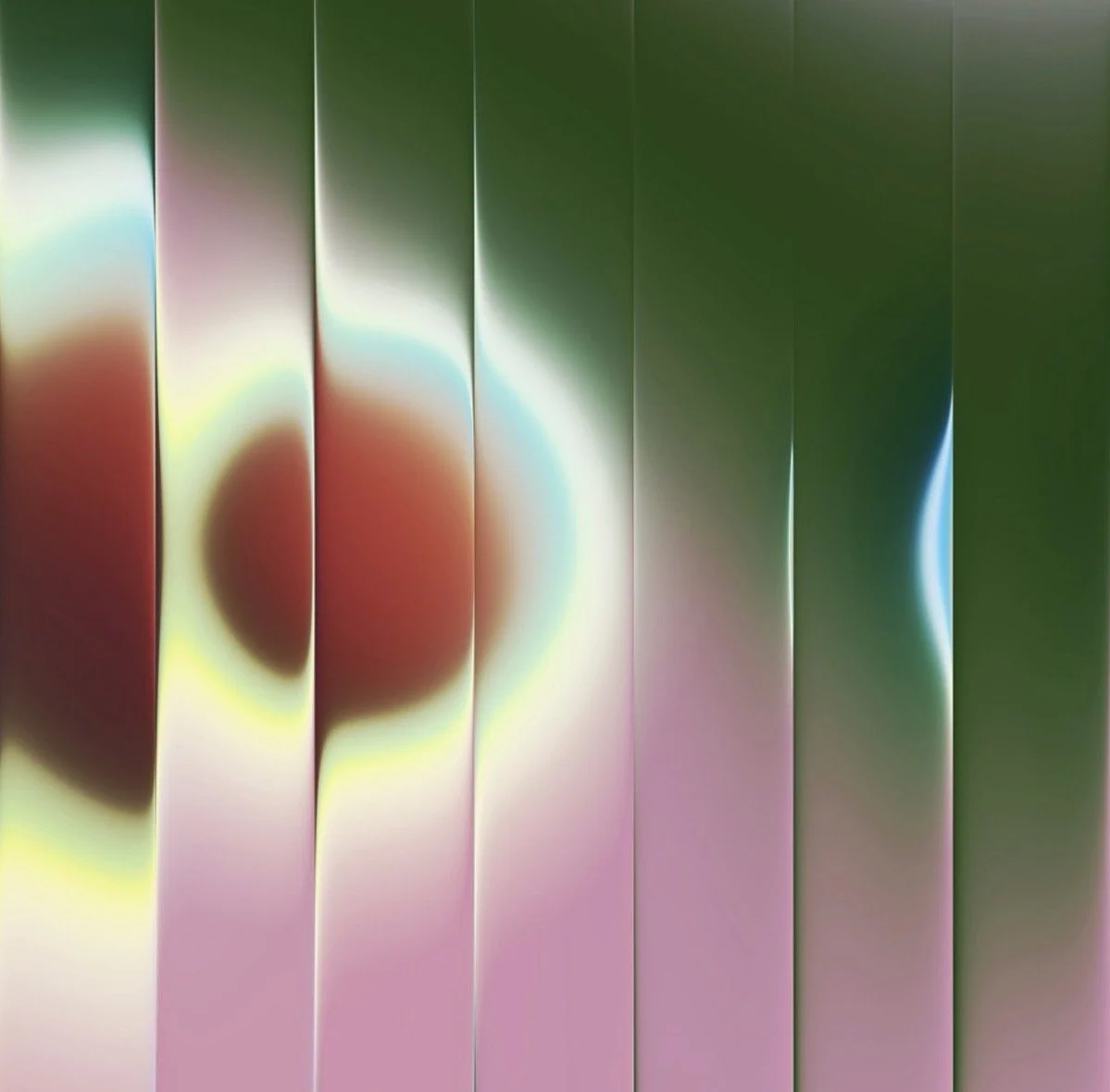
Courtesy of Martin Naumann (@mnaumanndesign)
Article by Enrico Dedin
Media artist active since 2013, with over 80 exhibitions worldwide. His works are part of the catalogue of Heure Exquise!, distributor of the audiovisual collections of the Musée du Louvre and the Musée d’Orsay. He has been selected for major events and exhibitions, including the 16th Videoart Yearbook curated by art critic Renato Barilli, the Collettiva Giovani Artisti of the Fondazione Bevilacqua La Masa, and The Wrong Biennale, receiving numerous awards and recognitions over the years. His artistic research has also been included in the volume “L’arte del XXI secolo. Temi, linguaggi, artisti” by Viviana Vannucci, professor and international curator. Alongside his artistic practice, he works as an Art Director in the field of multimedia communication. Operating at the intersection of art and communication, he coined the term “Artivator” to define a new role of the artist: a cultural activator for brands, territories, and entities outside the art system. He is also the author of the literary manifesto of Metaluddism, published in the aperiodical Il Foglio Clandestino.