
ART AS A CAUSE: THE NEW FRONTIER OF CORPORATE SOCIAL RESPONSIBILITY
When commitment to art becomes a driver of reputation, community, and corporate competitiveness
In an era where consumers are increasingly attentive, informed, and hungry for authenticity, businesses are called to rethink their mission - not only in terms of products or profit, but also in terms of social and cultural impact. It is within this context that art as a cause emerges: a powerful ally in Corporate Social Responsibility (CSR) strategies.
This is no longer about superficial “window dressing” sponsorships, but rather about real, rooted, and consistent commitments aligned with corporate values - capable of building bridges between the brand, local communities, and the surrounding territory.
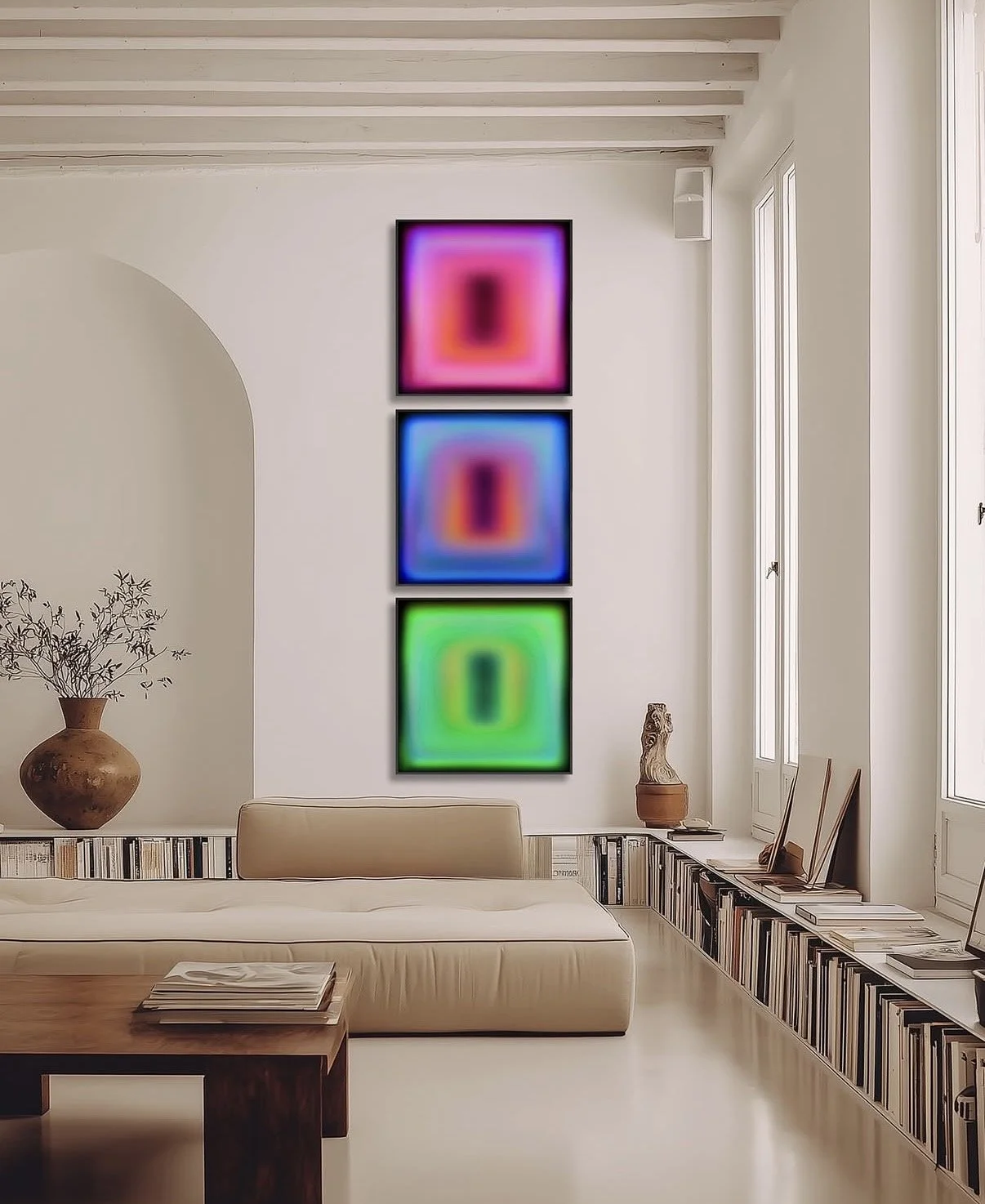
Courtesy of Nick Thomm (@nickthomm)
Why art? Shared values and new narratives
Art, by its very nature, creates deep connections. Supporting artistic projects means embracing a universal language that unites people, stimulates reflection, and conveys values in an immediate way.
But why should a company invest in art as a cause?
• Authenticity: genuine support for art reflects a brand unafraid to show its human, sensitive, and visionary side.
• Reputation: collaborating with artists, foundations, and cultural institutions strengthens positive perception and consolidates brand authority.
• Internal engagement: artistic projects and art-based training can enhance employees' sense of belonging, fostering creativity and collaboration.
• Territory: supporting local cultural initiatives means contributing to community well-being, generating a positive ripple effect for the brand as well.
“Art, when embraced as a cause and not merely as a marketing tool, transforms a business into a living, responsible organism deeply connected to its community.”
Concrete examples: when culture becomes strategy
Many companies have already chosen art as a CSR vehicle.
• Illycaffè, for example, has integrated art into its DNA, collaborating with contemporary artists on its iconic designer cups and supporting exhibitions and residencies. Here, art is not an ornament but an identity pillar.
• Eni, through partnerships with La Scala in Milan and other projects, promotes an image of a sophisticated brand deeply connected to national culture.
• Lavazza, with its artistic calendar and urban space revitalization projects, has crafted a new way of living the brand, bringing art and sustainability into public squares.
Avoiding the trap of “cultural greenwashing”
The risk of instrumentalizing art is always lurking. A company that supports an artistic project merely to boast about being “culturally engaged” risks damaging its reputation, triggering backlash and accusations of inconsistency.
The key?
• Alignment with corporate values: every artistic choice should reflect the brand’s vision.
• Listening to the territory: understanding the real needs of the local community and developing participatory projects.
• Transparency: clearly and thoroughly communicating objectives, results, and social impacts.
Tips for companies wishing to integrate art as a cause
- Start by defining an internal cultural manifesto to guide all future artistic collaborations.
- Choose artists or projects that speak the same value language as your brand.
- Don’t stop at sponsorships: consider workshops for employees, artist residencies, and events open to the city.
- Measure and communicate impact: engage the community and gather real feedback.
- Build long-term relationships, avoiding “hit-and-run” approaches.

Courtesy of Nick Thomm (@nickthomm)
Beyond CSR: a competitive opportunity
Integrating art as a cause is not just an ethical move; it is also a competitive strategy. In a market where products are increasingly similar and the battle is fought on the field of values and emotions, art becomes a powerful differentiator, capable of generating priceless reputational capital.
Companies that invest in culture become catalysts for innovation and social stimulus, attracting talents, stakeholders, and clients who share the same future vision.
Companies become Cultural Actors to truly remain Relevant
Art, when embraced as a cause and not merely as a marketing tool, becomes a true vector of meaning - capable of transforming a business into a living, responsible organism deeply connected to the community.
The challenge is significant, but so is the reward: rethinking the company’s role not merely as a producer of goods and services, but as an active cultural actor helping to shape tomorrow’s world.
Article by Enrico Dedin
Media artist active since 2013, with over 80 exhibitions worldwide. His works are part of the catalogue of Heure Exquise!, distributor of the audiovisual collections of the Musée du Louvre and the Musée d’Orsay. He has been selected for major events and exhibitions, including the 16th Videoart Yearbook curated by art critic Renato Barilli, the Collettiva Giovani Artisti of the Fondazione Bevilacqua La Masa, and The Wrong Biennale, receiving numerous awards and recognitions over the years. His artistic research has also been included in the volume “L’arte del XXI secolo. Temi, linguaggi, artisti” by Viviana Vannucci, professor and international curator. Alongside his artistic practice, he works as an Art Director in the field of multimedia communication. Operating at the intersection of art and communication, he coined the term “Artivator” to define a new role of the artist: a cultural activator for brands, territories, and entities outside the art system. He is also the author of the literary manifesto of Metaluddism, published in the aperiodical Il Foglio Clandestino.