The New Paradigm: in the era of digital saturation, the challenge for companies is not to get noticed, but to become culturally and socially significant
We live in a context of digital saturation: social feeds overflowing with content, advertisements overlapping, messages competing for fragments of attention. In this scenario, visibility is no longer enough. Being present no longer means being perceived. Companies are progressively shifting from a logic of exposure to one of relevance: what counts is not how much you appear, but how much you make a meaningful impact on people’s lives and on society.
Relevance is not an abstract concept, but the ability of a brand to generate meaning, value, and impact: cultural, social, and environmental. This is where art comes in, with its timeless power to interpret the present, stimulate reflection, give voice to complex issues, and anticipate future visions.
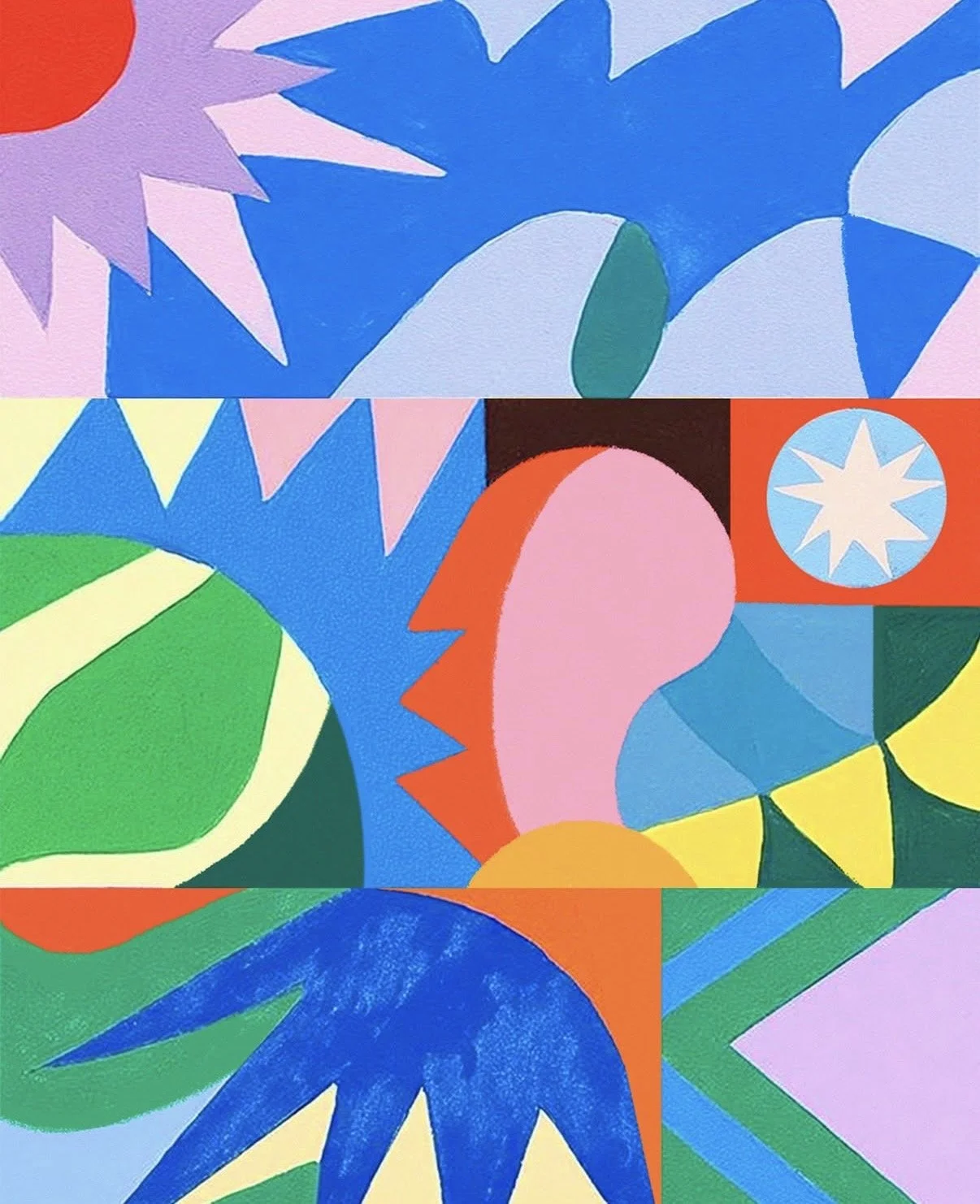
Courtesy of Rafaela Mascaro (@rafaelamascaro)
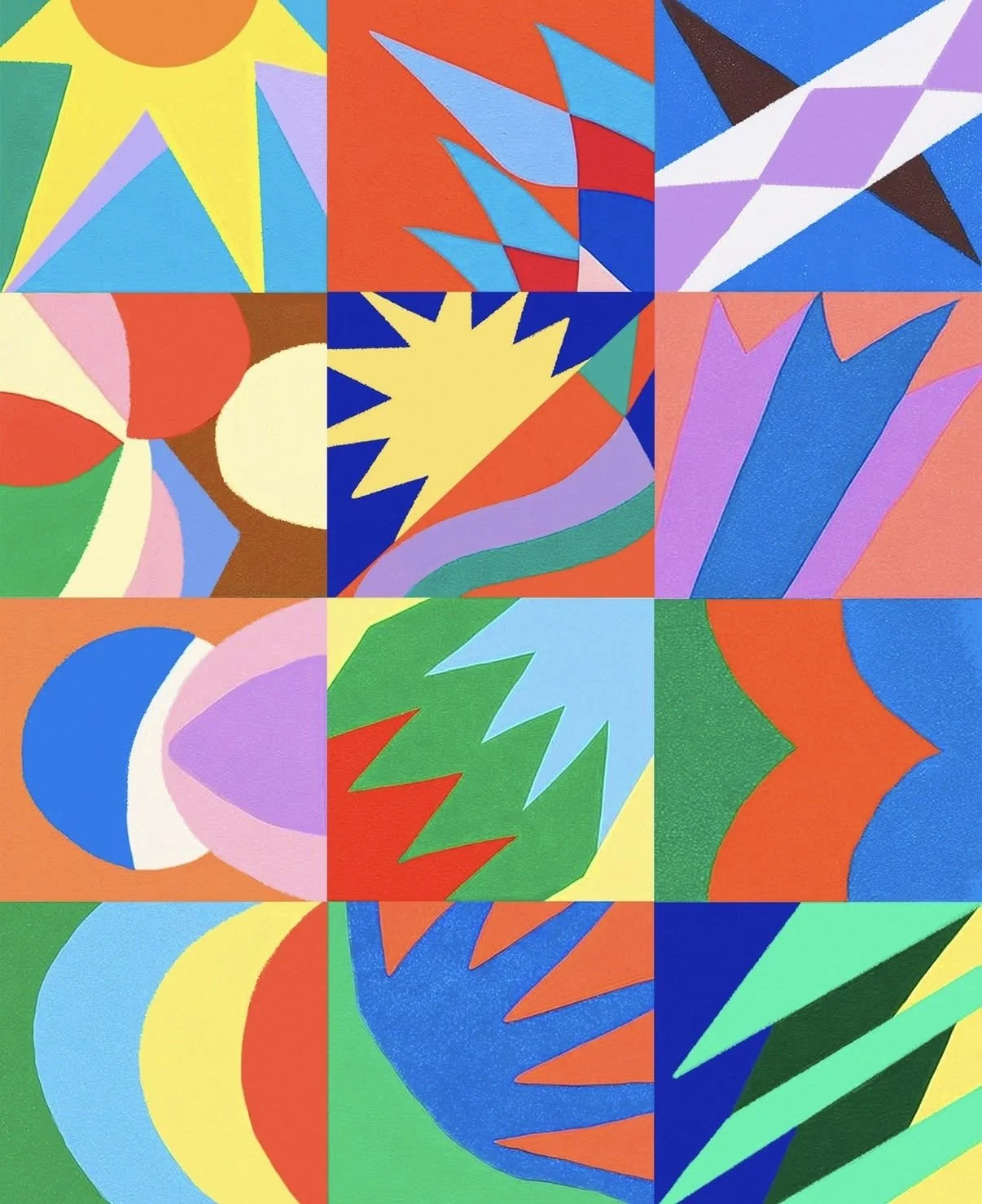
Courtesy of Rafaela Mascaro (@rafaelamascaro)
Art as a Generator of Relevance
While traditional marketing works on persuasion and visibility, art carries with it depth and symbolic stratification. Collaborating with the art world allows companies to connect with universal narratives, to speak of the future, identity, and values.
An exhibition, a collection, an artist residency within the company, or a cultural project can become bridges of meaning between brand and society. This is not just about sponsorships or aesthetics, but about an authentic dialogue with the public, where the brand demonstrates its role in improving the quality of life and collective thought.
CSR and ESG: Beyond Responsibility, Toward Impact
In business language, the concepts of CSR (Corporate Social Responsibility) and ESG (Environmental, Social, and Governance) are central to understanding this transformation.
CSR was born as corporate social responsibility: the commitment of companies to give back value to the community, for example through solidarity, environmental, or cultural initiatives.
ESG, on the other hand, refers to more structural and measurable parameters: criteria for evaluating a company’s environmental, social, and governance performance, increasingly decisive today for investors and stakeholders.
In both cases, art and culture can play a decisive role: from aesthetic education as a form of social inclusion, to raising awareness on global issues through creative languages that can reach where technical reports cannot.
“In an age of digital saturation, visibility is no longer enough; relevance is measured by the meaning a brand brings to society - and art is the language that makes that meaning endure.”
Benefit Corporations: a sign of the times
The paradigm shift is also visible in the growing number of benefit corporations, companies that integrate objectives of common benefit into their corporate purpose alongside economic ones. This is not mere philanthropy: it is a new business model that measures its success in terms of positive impact and not solely profit.
In this context, art becomes a powerful instrument of coherence and authenticity: it allows brands to act as cultural agents, no longer outsiders but integral parts of the social fabric. To be a “benefit” company means to take on a tangible commitment to the future; doing so through art and culture means anchoring that commitment to a language capable of enduring over time and touching people at their deepest level.
Relevance as the new measure of Value
The future of branding is no longer about visual impact, but about cultural and social impact. In the age of complexity, the real challenge for companies is to remain relevant, and this requires concrete, consistent, and multidimensional commitment.
Art, with its capacity to generate meaning and open perspectives, thus becomes the keystone of this transformation: not an ornament, but a strategic act, capable of connecting business to the very heartbeat of society.
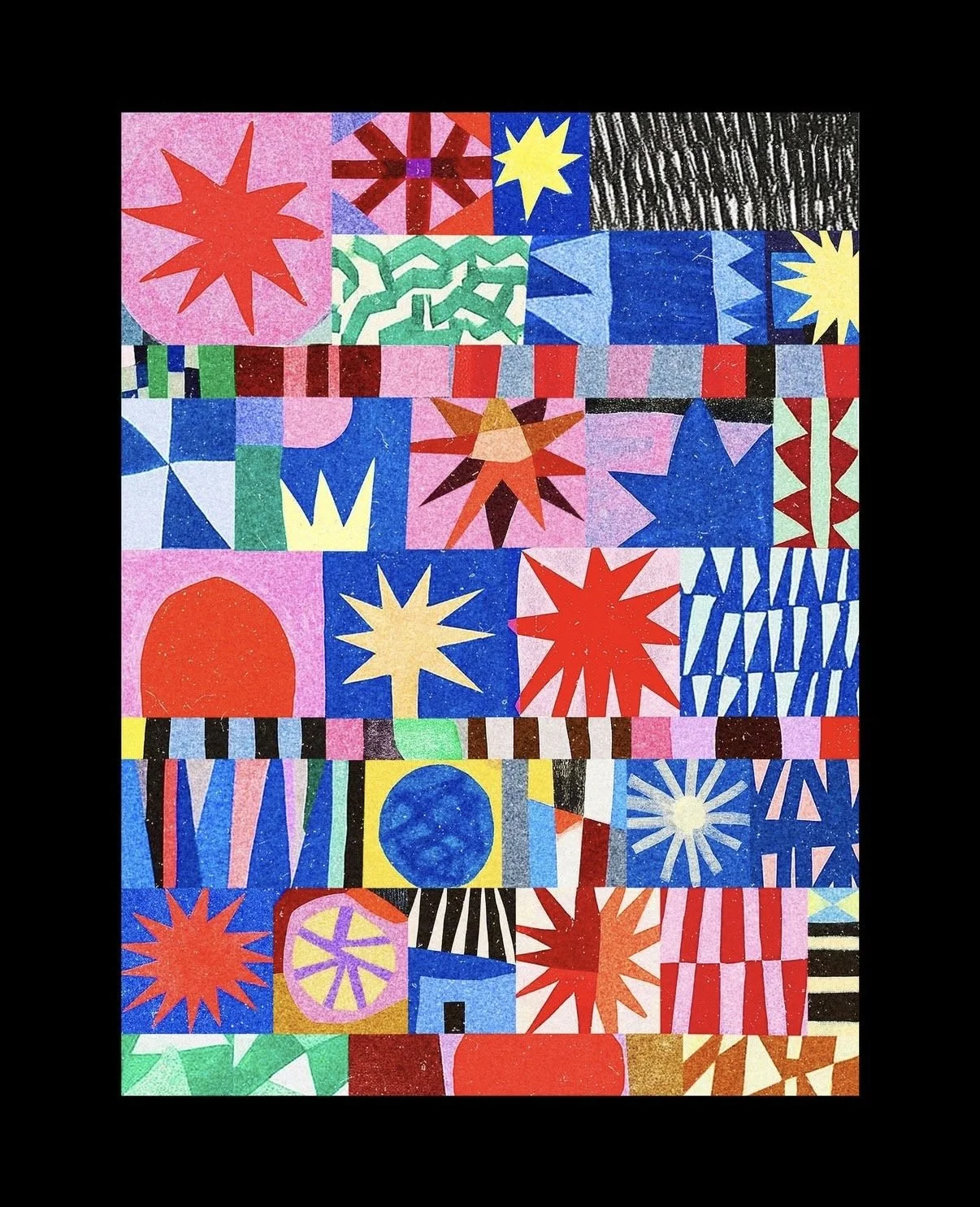
Courtesy of Rafaela Mascaro (@rafaelamascaro)
Article by Enrico Dedin
Media artist active since 2013, with over 80 exhibitions worldwide. His works are part of the catalogue of Heure Exquise!, distributor of the audiovisual collections of the Musée du Louvre and the Musée d’Orsay. He has been selected for major events and exhibitions, including the 16th Videoart Yearbook curated by art critic Renato Barilli, the Collettiva Giovani Artisti of the Fondazione Bevilacqua La Masa, and The Wrong Biennale, receiving numerous awards and recognitions over the years. His artistic research has also been included in the volume “L’arte del XXI secolo. Temi, linguaggi, artisti” by Viviana Vannucci, professor and international curator. Alongside his artistic practice, he works as an Art Director in the field of multimedia communication. Operating at the intersection of art and communication, he coined the term “Artivator” to define a new role of the artist: a cultural activator for brands, territories, and entities outside the art system. He is also the author of the literary manifesto of Metaluddism, published in the aperiodical Il Foglio Clandestino.