UNFOLDING THE PAGE: NICOLE PIETRANTONI
“Choosing to make art – especially the art that feels necessary and true to you – is a quietly revolutionary act.”
For over a decade, Nicole Pietrantoni was a cornerstone of the American printmaking community - a tenured professor, an academic administrator, and the President of SGC International. Then, she walked away from the stability of the university system to build a full-time studio practice in Europe. Moving first to Prague and now based in Girona, Spain, Pietrantoni’s work has expanded from flat printmaking into massive, three-dimensional accordion installations that manipulate paper, bent steel armatures, and fluorescent gradients.
In this conversation, we talk about growing up in a DIY household, unlearning the exhausting surveillance of academic productivity, the conceptual weight of the accordion fold, and finding joy in seeing again IRL.
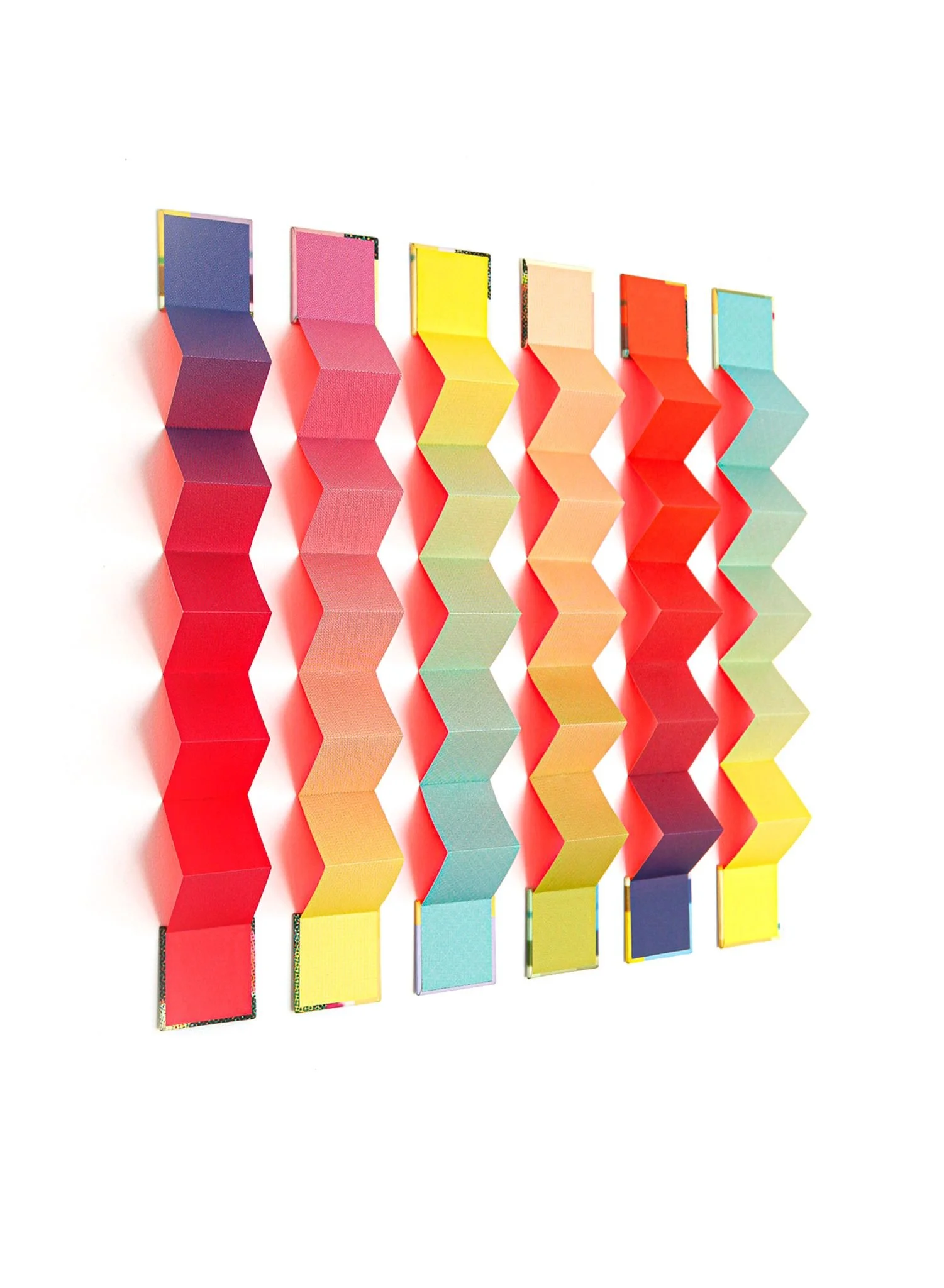
Color Wave, Nicole Pietrantoni, 2025
Growing up in a household with a mother and grandfather who were artists, how did that shape your perspective on becoming one yourself? And can you recall your first attempts at making art - what were you creating back then?
Growing up I always saw that people in my family create things. My grandfather worked as a welder on the southside of Chicago and made sculptures from factory scraps and alley finds. My mother is a painter and art teacher. But it wasn’t just the artists in my family - my dad and other relatives had a creative, DIY spirit too, building furniture, fixing things, figuring it out themselves. What struck me was that they all had a sense of agency and an urgency to create in a world that increasingly just wants us to buy more stuff. Seeing people find genuine joy in making things inspired me.
I always had my hands in family projects, which gave me a lot of practical skills. My more serious attempts at art came around age 14, when I started painting on large panels of scrap wood with discarded gallons of house paint. I was drawn to making something out of whatever was at hand.
Together with your partner Devon Wootten you make a creative duo. What was the first project you worked on together, and how did you decide to merge your practices?
Our first project together was a massive book art installation titled “Implications.” The artwork spanned over 30 feet wide and 10 feet tall and was composed of 30 accordion books. The books expand to create a panoramic image of icebergs in Iceland. The text simultaneously reads as both a poem (Risk[,] Event[,] Disaster) written by Devon and an official report on climate change. I think that merging our practices felt very natural at the time. We had both lived in Iceland together for a year while I was a Fulbright grantee, so the experience that this artwork grew out of is something we shared. We are both interested in what do you do with beauty in the world, especially when that beauty is ecologically fragile and disappearing. How do we handle it as artists in our work? We wanted to craft works that were both beautiful but also functioned as an elegy and were conceptually rich. Mixing my visual art with his poetic interventions made sense.
“Play opens up possibilities, but to truly play as an adult means releasing the feeling that you are being watched and judged.”
You taught printmaking and book arts for over a decade. How did being a teacher help your own creative career?
Teaching gave me a deep respect and empathy for everyone’s artistic journey – and I carry that into my own practice too. I love fostering creativity in others and reminding them that living an expressive, art-full life is both vital and valuable. In a world that constantly nudges us toward consumption, choosing to make art – especially the art that feels necessary and true to you– is a quietly revolutionary act.
Teaching also taught me to be patient with myself. It’s easy to scroll through Instagram and feel like everyone else is crushing it, but the real secret to making art for a lifetime is simpler and harder than that: keep showing up in your studio, stay curious about what sparks joy for you, and be kind to yourself along the way. What success looks like is different for every artist
A lot of artists dream of leaving academia or administrative roles to go full-time in the studio, but it’s a massive risk. Now that you’re on the other side, what is the biggest myth about the "full-time artist life" that you’ve had to debunk for yourself?
The biggest myth I’ve had to debunk is that you can’t do it. You can, but being a full-time artist will look different from what you had, especially if you left a stable, high-earning career like I did. I make less money now, but I have more time, more space in the studio, and more freedom to take on the projects that truly interest me. My practice is leaner. I manage my own budget, work more like an entrepreneur, and have had to learn new skills – from running big public art commissions to simply staying visible and finding opportunities. As a family, we live more simply here in Spain, and that simplicity has been its own kind of gift.
Leaving academia was an enormous risk, and in the beginning it felt like a loss too. I loved teaching and mentoring students. I liked being a “somebody” with an instant community, fully equipped studios, and resources at my fingertips. It took time to rebuild my practice and my belief in my own work. But now that I’m on the other side, I can see clearly what that leap created: space, freedom, and a life that feels genuinely mine.
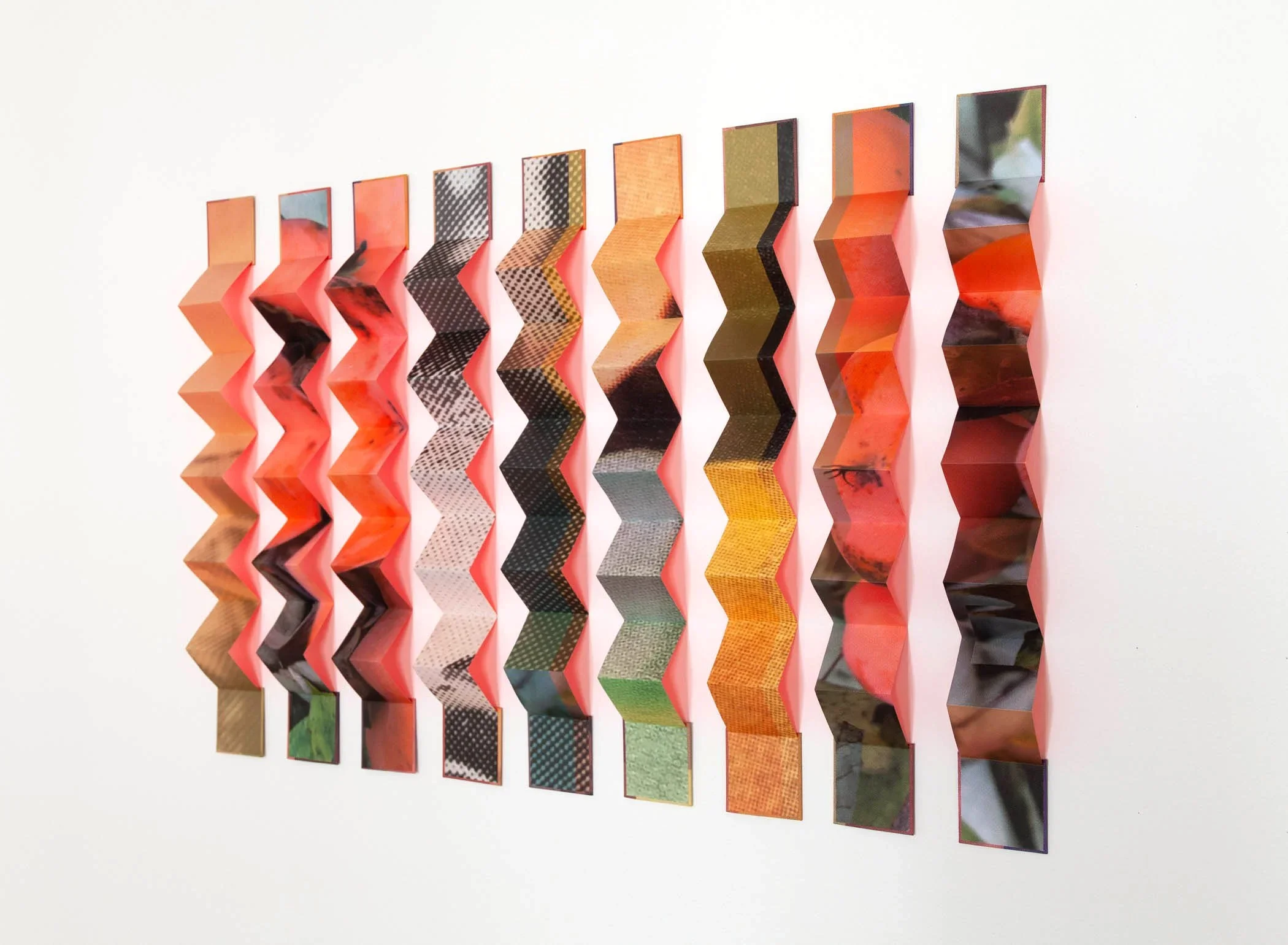
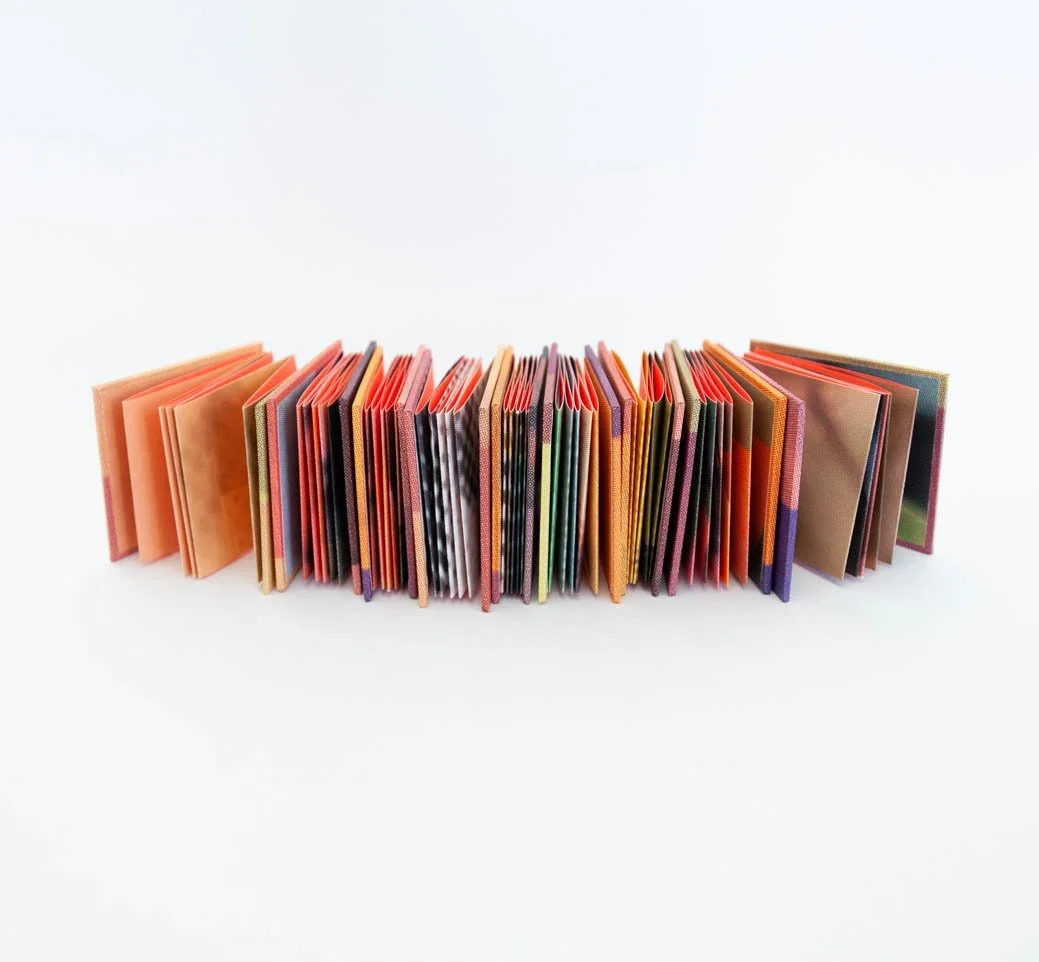
Still Life With Oranges, Nicole Pietrantoni, 2022
You went from being deeply embedded in the US printmaking scene (even serving as president of SGC International) to starting over in Prague and Girona. How has changing your geographic context shifted the perspective or themes in your work?
It’s funny – the United States is a vast country, but the printmaking community always felt remarkably small. We all knew each other, and I loved serving as President of SGC International, because these are artists I care deeply about. But I also knew that my truest passion was the work itself, in the studio.
Moving to Prague and then Girona was less about starting over and more about shifting my understanding of who I am as an artist. In the US, my identity was so bound up in academia – specifically as a printmaker and administrator – that it shaped everything. The work I made, the shows I applied to, the artists I exhibited alongside. It was all print, print, print. Looking back, I think that was limiting in ways I couldn’t fully see at the time.
Once I moved overseas, something loosened. I felt free to stop defining myself so narrowly, to seek community with artists working across all media, and to finally give myself permission to work across disciplines too.
Back in 2016, you mentioned your formula of the "4 P's" - Practice, Patience, Persistence, and Play. How did you come up with that, and looking at it now, which one is the hardest to keep up with? Or maybe the formula has changed?
Yes! I would write that on the board in my classroom and repeat it to my students. I do think these still work for me in my studio. My little mantra grew out of the intense, repetitive labor of printmaking – all that waiting, reworking, and starting again. That process teaches you that patience and persistence are non-negotiable.
I think of Donna Haraway’s book Staying with the Trouble, or Julie Mehretu’s recent commencement speech at RISD, where she talked about “being willing to stay in the discomfort of the open question.” That’s the mindset I keep coming back to – staying with the work, with yourself, with the uncertainty, even when the world feels like it’s burning down around you.
Which brings me to the hardest P to hold onto: play. When life feels heavy and you’re questioning the necessity of what you do, play is the first thing to go. And yet it’s probably the most essential. It’s the one I have to consciously protect.
You've talked about the importance of staying true to your vision when the art world gets discouraging. When you're stuck in a creative block, what does your process look like to get back into "play" mode?
This connects directly to the previous question - play opens up possibilities, but to truly play as an adult means releasing the feeling that you are being watched and judged. To get a little theoretical: Foucault wrote about the panopticon in Discipline and Punish – the idea that even when no one is actually watching you, you’ve been so thoroughly conditioned to believe they are that you self-correct anyway. As an American who spent over a decade in academia, I internalized that surveillance deeply. Productivity was everything. Rest and play were practically frowned upon.
Unlearning that has been one of the great projects of my adult life and living in Spain has helped enormously. Mediterranean beach culture, specifically, puts me in play mode instantly. I see hundreds of people of all ages genuinely enjoying themselves – swimming, lying in the sun, doing what looks like nothing but is actually something profound. There’s very little of the monitoring, striving energy I grew up around. I feel like a kid again - free to notice things, to be moved by the light and color of the water, the easy pleasure of people simply being together in a shared (and free) public space. After experiencing this, I can return to the studio with new eyes.
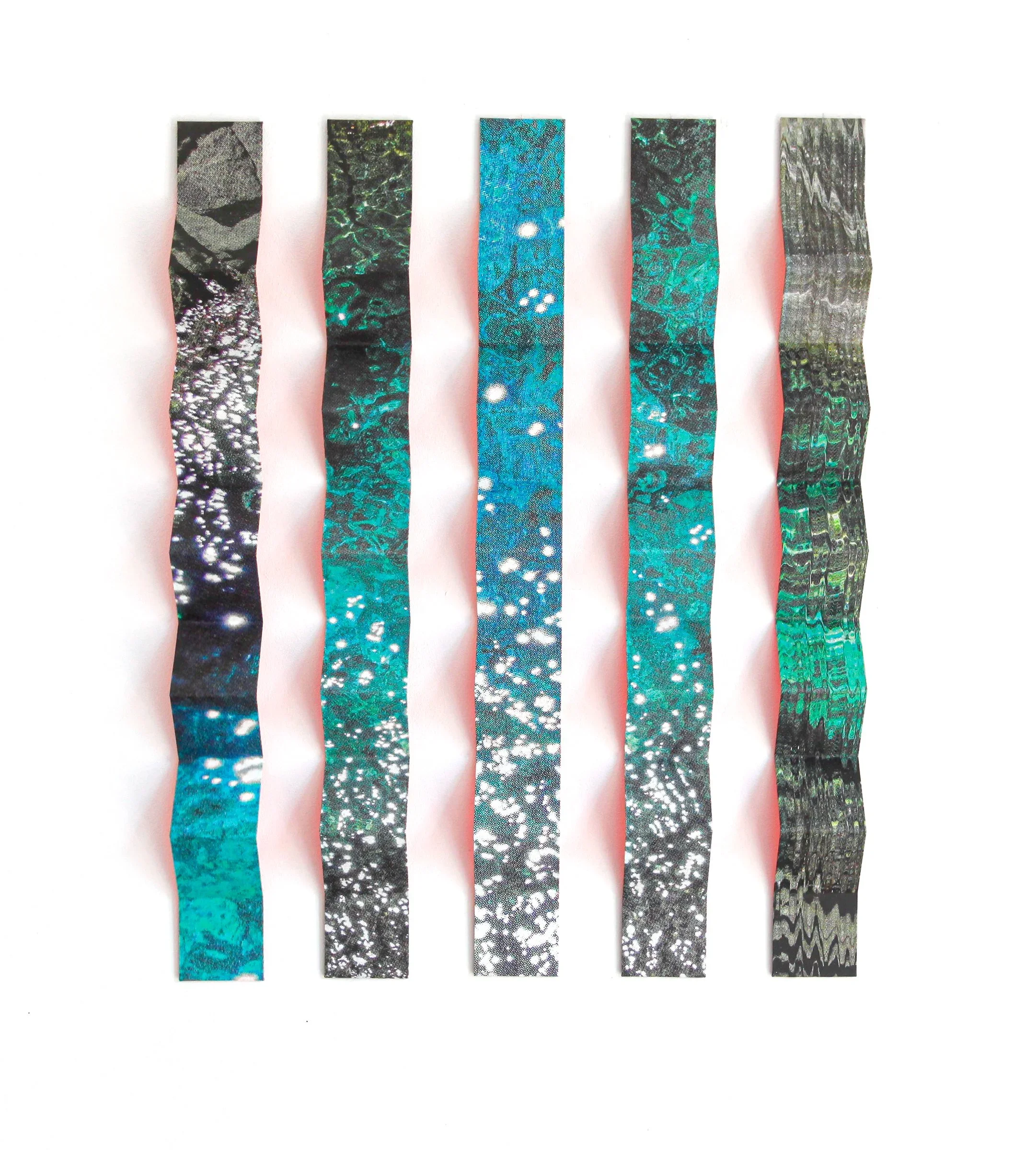
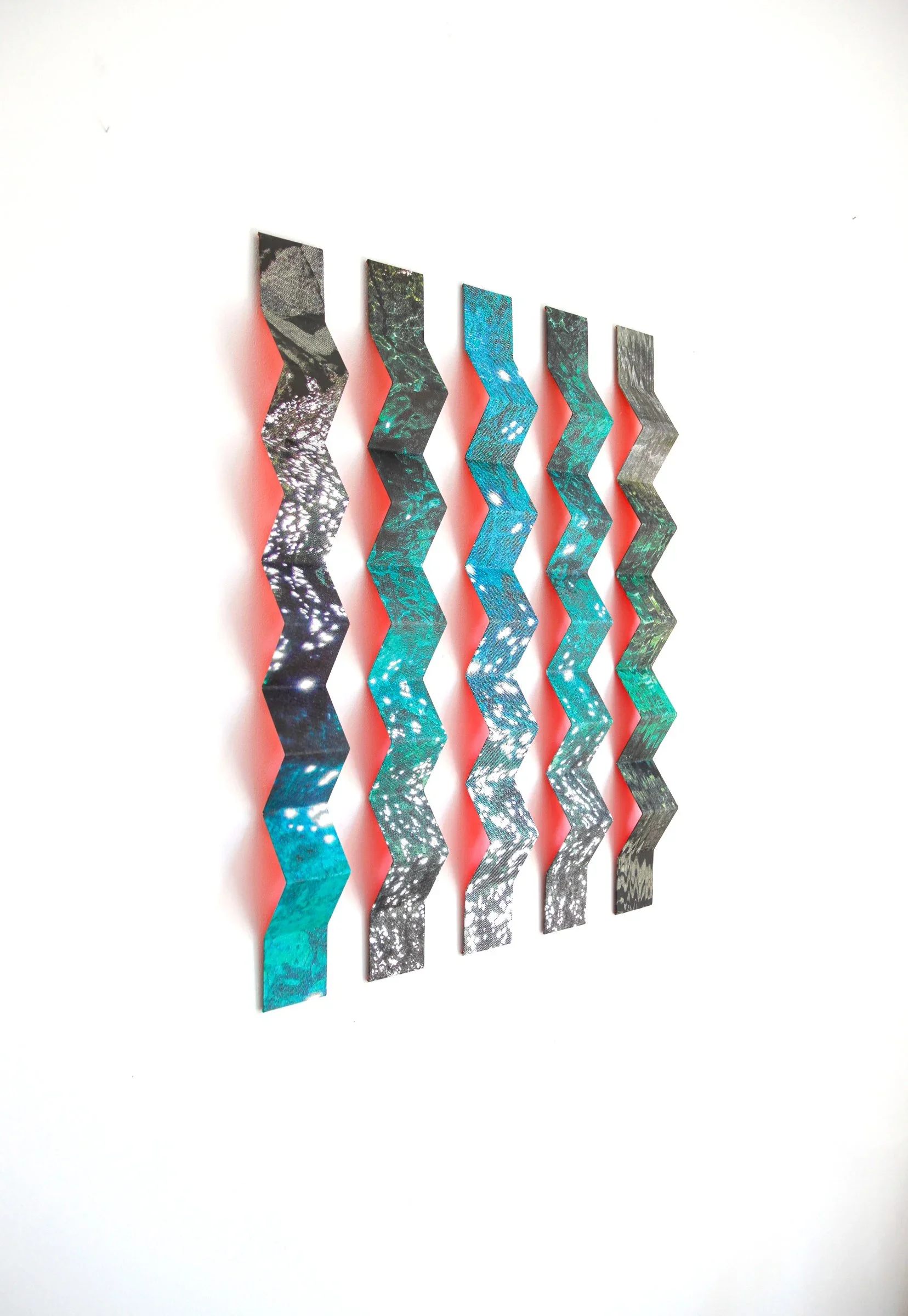
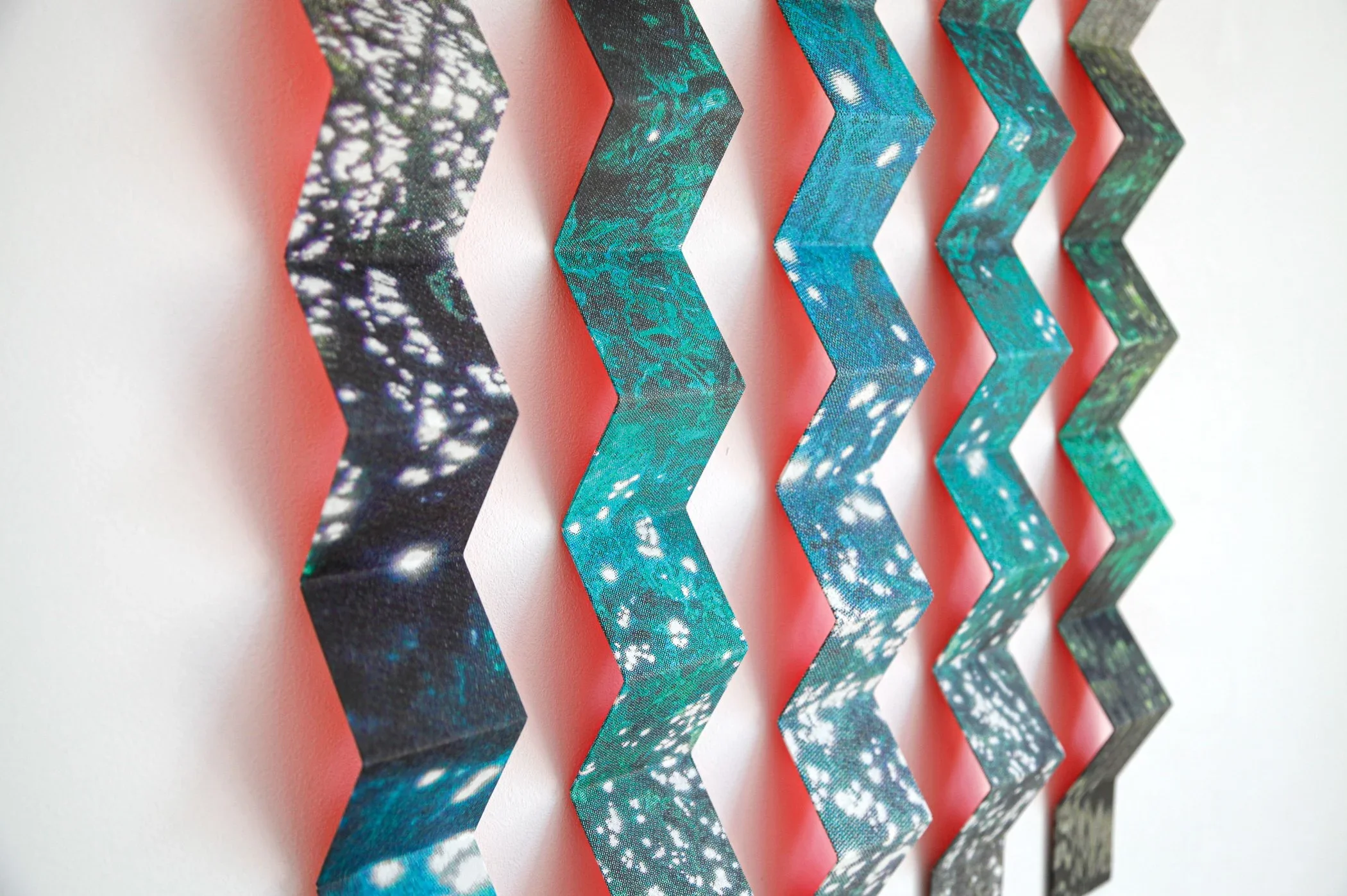
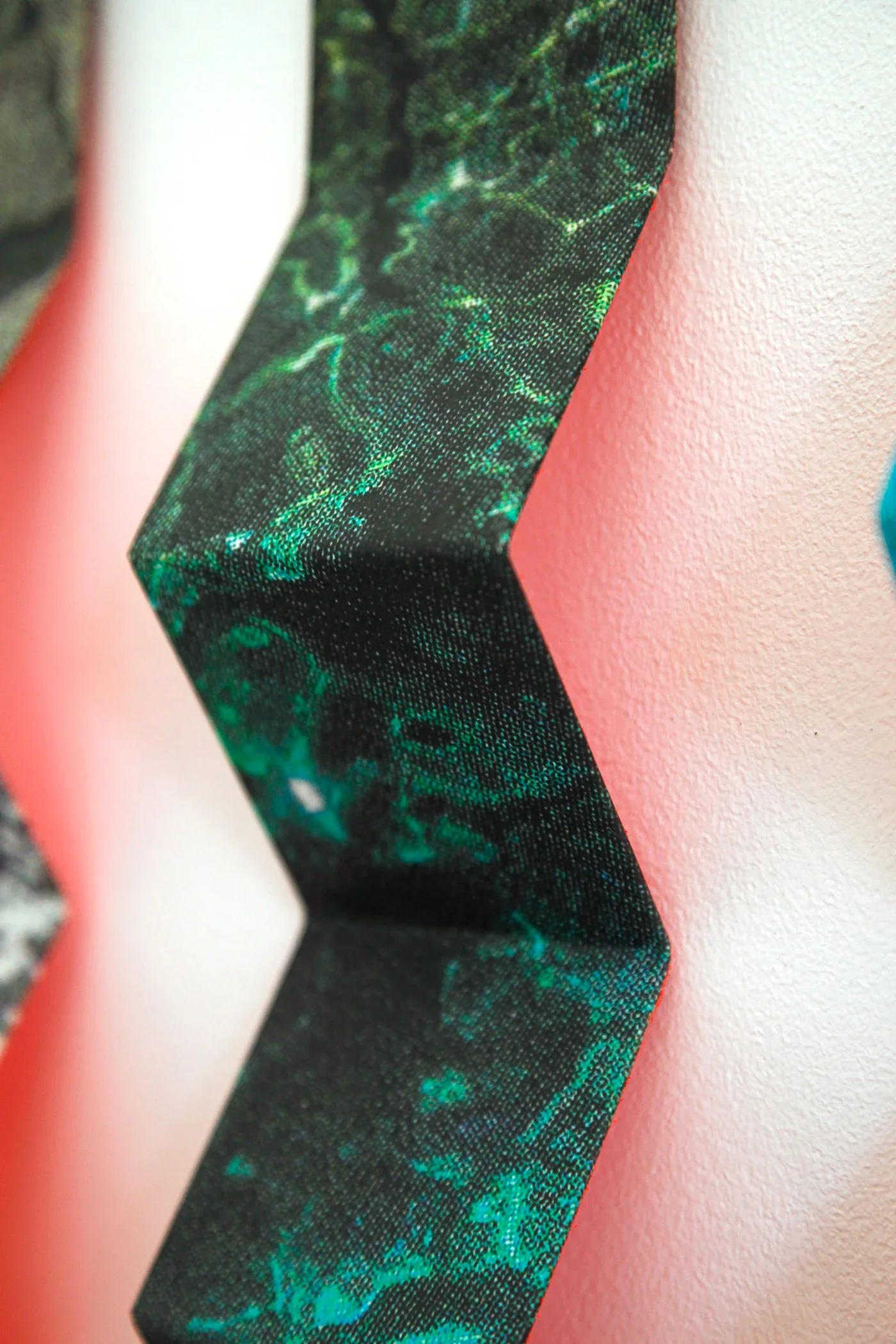
Each Of Us Contains A Sea, Nicole Pietrantoni, 2026
How did you first arrive at the accordion books concept?
If someone told me 15 years ago that I’d be making books, I wouldn’t have believed them. When I took my first book arts class in graduate school, I actually hated it and dropped the class after just a few sessions. I thought bookmaking was fussy and boring – measure this, cut that, make another empty, blank book. A vision for the book was missing. So, when I was asked to teach book arts to college students, I knew that I wanted to take a different approach that focused on ideas as much as technique.
That’s what led me to the accordion book: a simple structure that I could transform into a modular, sculptural unit. Something that could shapeshift across a wall, collapse into your hand, or unfold into an entire room. In our intensely digital world, the book still feels like magic to me, a nod to a slower analog world that we are losing.
Your piece Color Wave relies heavily on these intense gradients and shifts in tone. When you're dealing with a work like that, how do you balance creating a pure, visceral visual experience with the deeper conceptual ideas behind the palette?
The book form is essential to the concept. With the form serving as a guidepost in my work, I feel like there is a good balance between visceral, visual experience and ideas. For me, the books are metaphors for slowing down the speed of digital images and screen-based culture. Each book takes colors, gradients, and images from the digital world and makes them something tangible that our hands can hold and our bodies can perceive in a whole new way than something on a tiny screen. Perhaps my work is about experiencing color, light, and form (and finding joy in that experience) IRL again.
What is the message you want to convey to the person that looks at your work at this exhibition?
I think the message is the same as much of my other work – find joy in seeing again. Be curious, surprised, and maybe even delighted by what artists (and the world) have to offer.
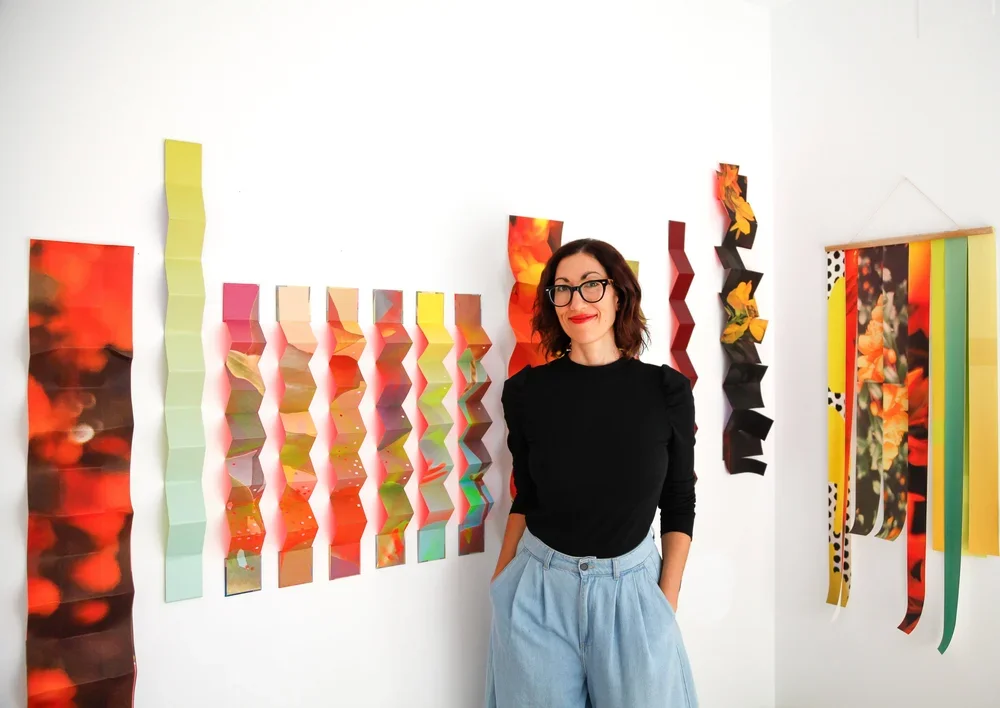
Courtesy of Nicole Pietrantoni
Nicole Pietrantoni’s trajectory is ultimately an escape from the panopticon. As she points out through Foucault, we are deeply conditioned to monitor and self-correct ourselves - an exhausting cycle of productivity that defines much of the modern academic and digital worlds. Walking away from that invisible surveillance allowed her to reclaim play as a vital practice rather than a guilty indulgence. Her accordion books and installations function as tangible antidotes to this conditioned striving. They demand physical presence over quick consumption. Pietrantoni isn't just asking us to look at gradients, she is inviting us to step out of our own self-imposed panopticon, slow down, and rediscover the radical joy of simply being in the room.
Article by Vasya Kavka
Based in Ukraine, Vasya Kavka is a writer working at the intersection of contemporary art and digital culture. Through his platform @ambient.delusion, he researches emerging and underground artists, publishing interviews and editorial features that move beyond aesthetics to examine context, creative process and cultural relevance. His work is driven by curiosity and a commitment to thoughtful, accessible storytelling that situates artistic practices within the broader currents shaping contemporary culture.