
How a London-based fine art and documentary photographer uses light, shadow and monochrome to find stories in ordinary moments.
Some photographs show you what a place looks like. Aduragbemi Okeyemi’s photographs make you stop and look again.
The London-based photographer started his journey with photography generally about seven years ago, experimenting across different styles, before majoring in fine art and black and white photography three years ago. In a world saturated with vibrant images, his black and white frames argue that less can reveal more.
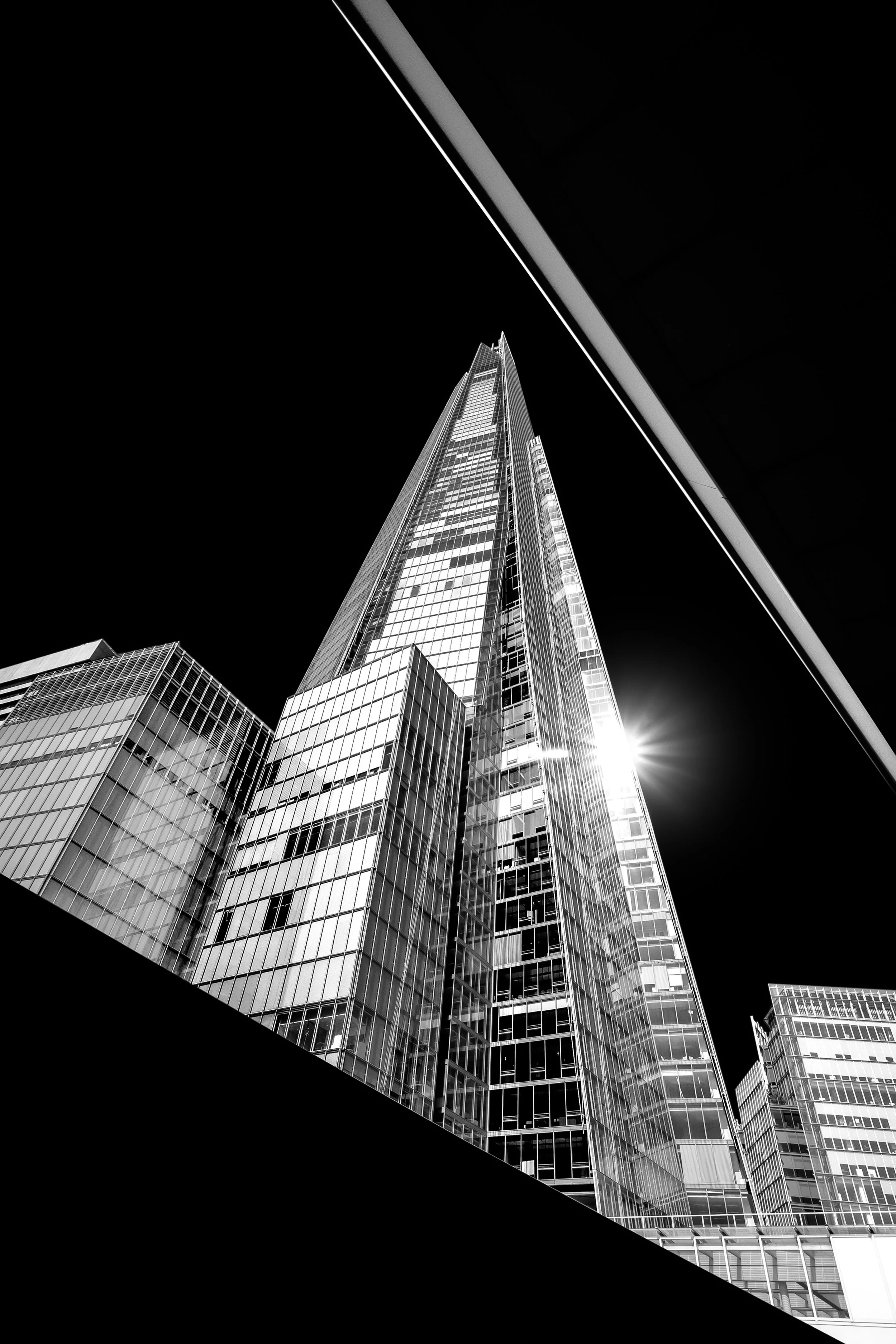
Photography work by Aduragbemi Okeyemi
Image courtesy of the artist
A Language, Not a Filter
For Aduragbemi, black and white is not an edit. It is a language.
“Color can distract,” he says. “When you take it away, you are left with what really matters – light, shadow, texture, emotion. The image becomes more timeless, more honest.”
This philosophy is clear in the paired images he shared for this feature. One shows a vibrant, checkered walkway in Canary Wharf, its ceiling a pop-art grid of red, blue and yellow. In colour, your eye is caught by the pattern. In black and white, the same tunnel transforms into a cinematic corridor, a single beam of white light drawing two figures forward into the darkness. The story shifts from architecture to journey.
“I didn’t choose photography, photography chose me through practice”
Photography work by Aduragbemi Okeyemi
Image courtesy of the artist
From Lagos In My Time to What Eye See
Aduragbemi’s eye was first trained in Lagos, Nigeria. In 2019, he began a personal project titled Lagos In My Time, documenting daily life in the city with a date and time stamp on each frame – an archive of the ordinary, now preserved on Instagram as @LagosInMyTime.
That project evolved into What Eye See, the body of work that now defines his practice. The message behind it is simple: look again at what you think you know.
“I want people to find meaning in the everyday,” he explains. “Every ordinary thing has a story if you give it a second look.”
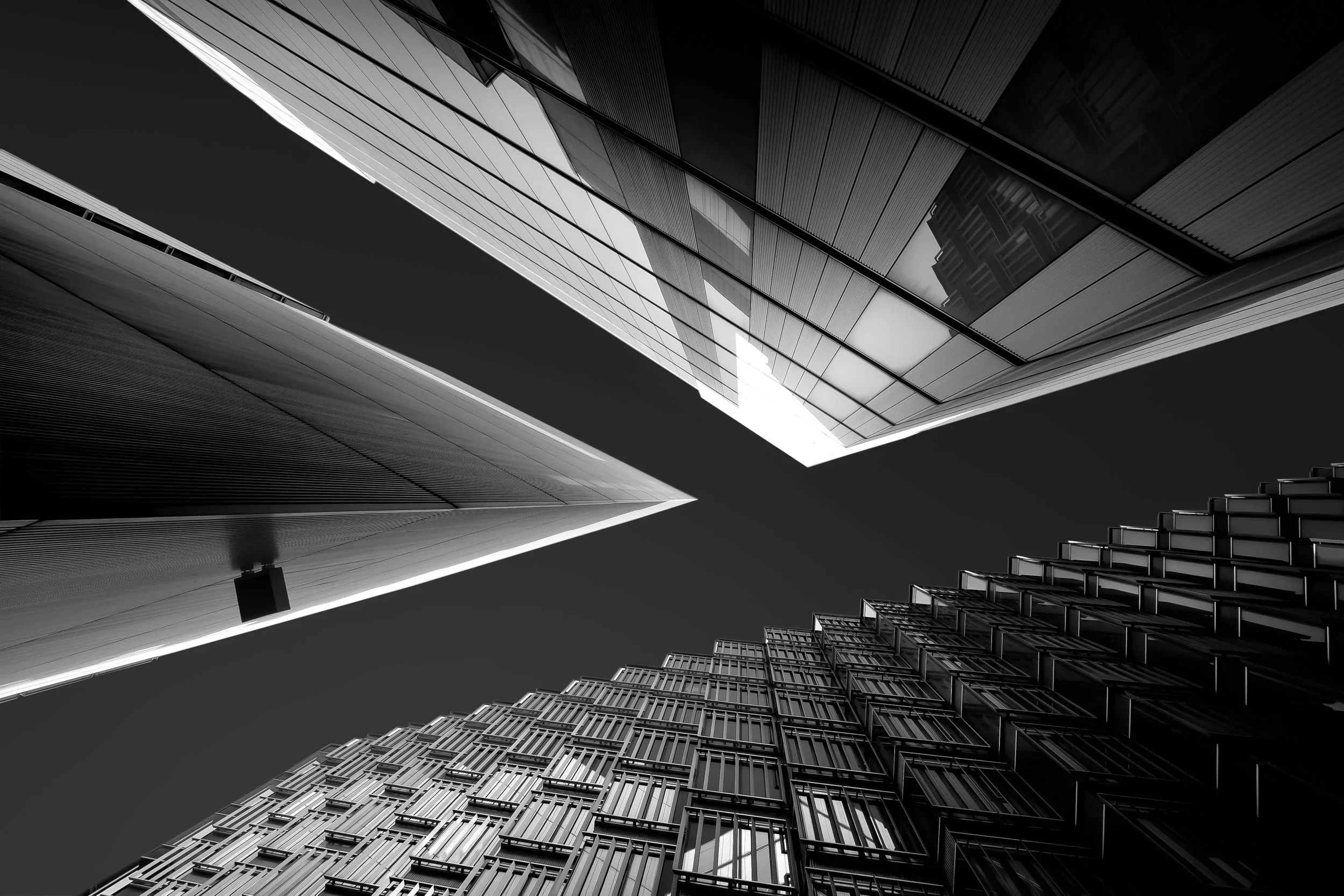
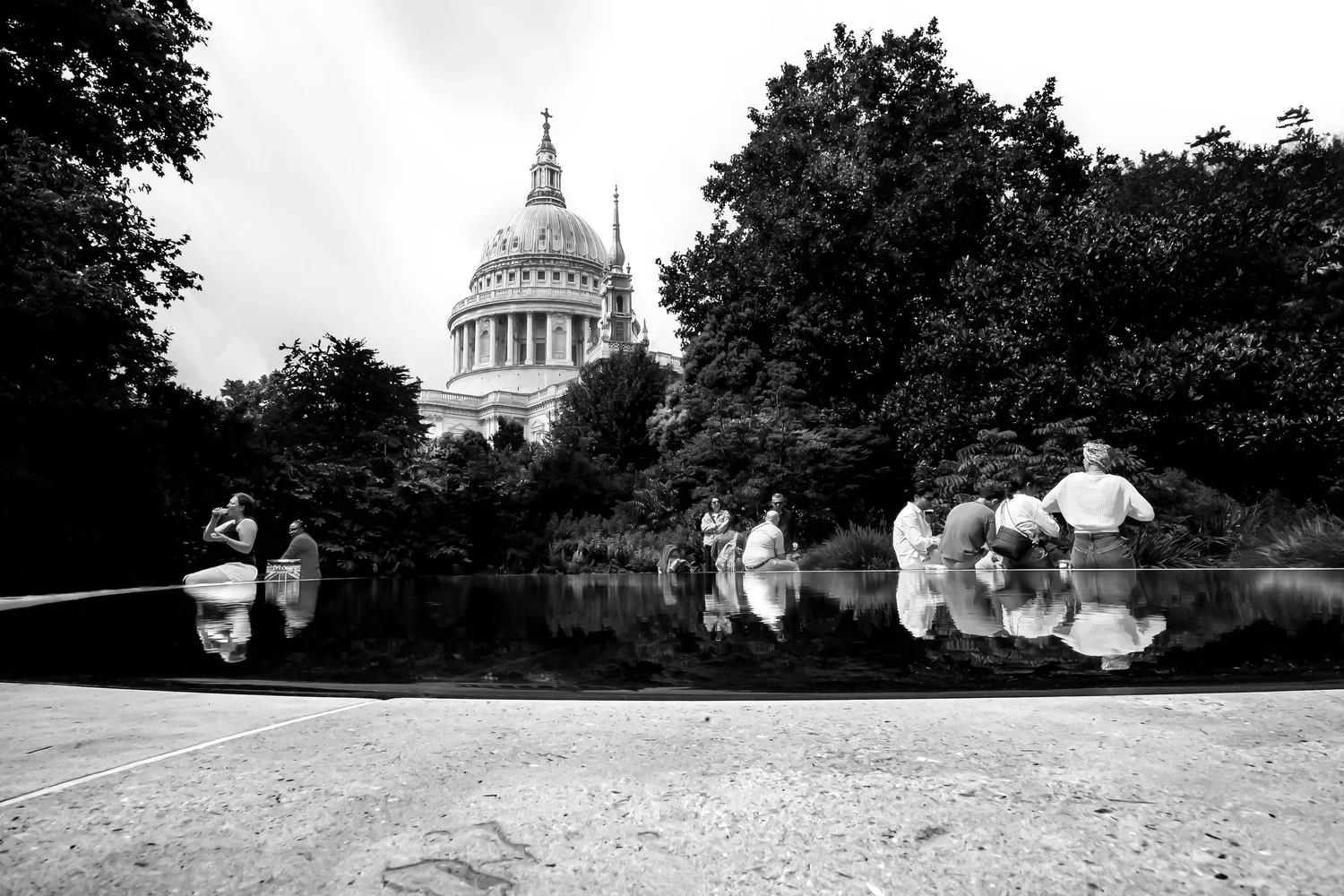
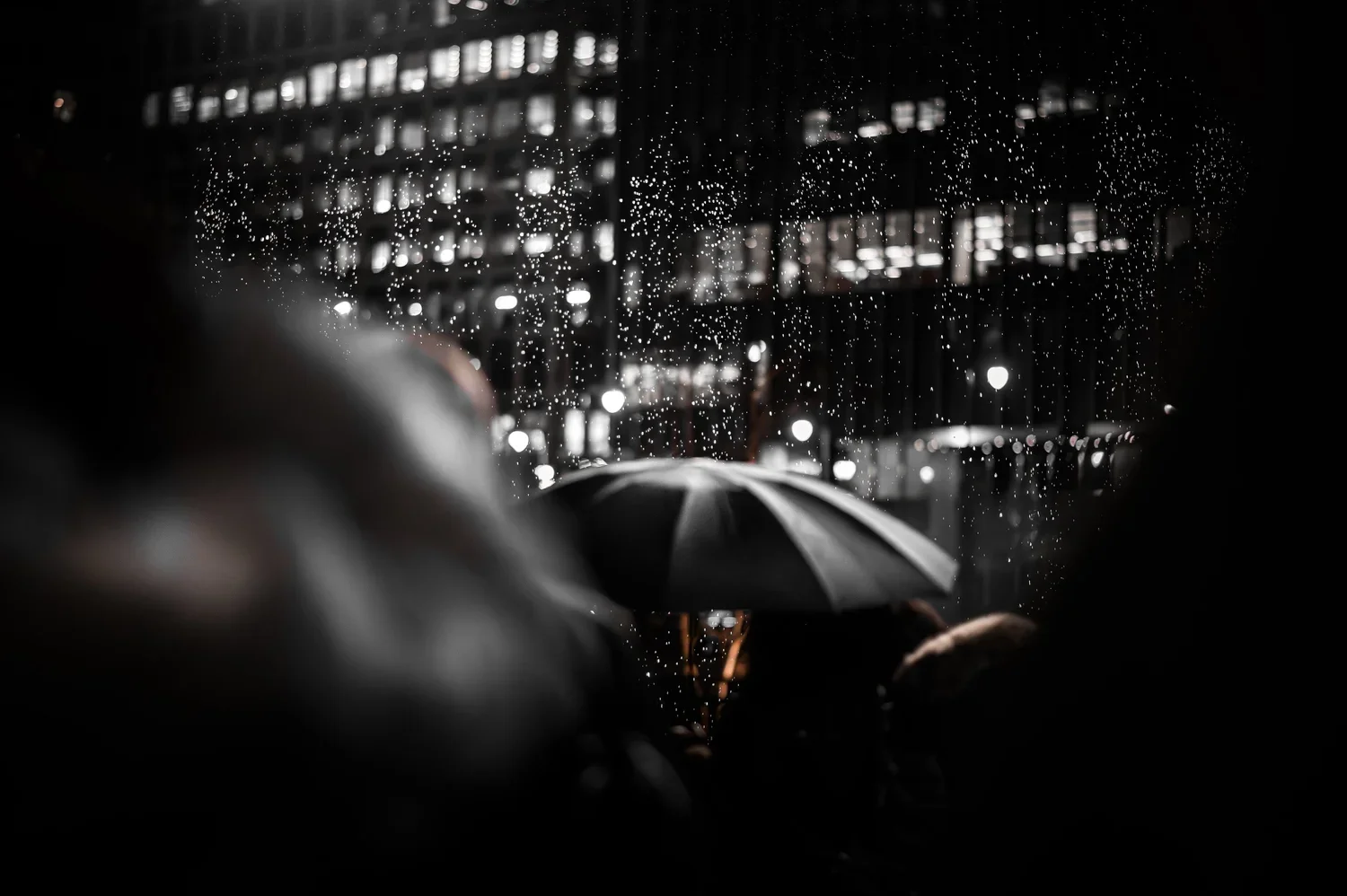
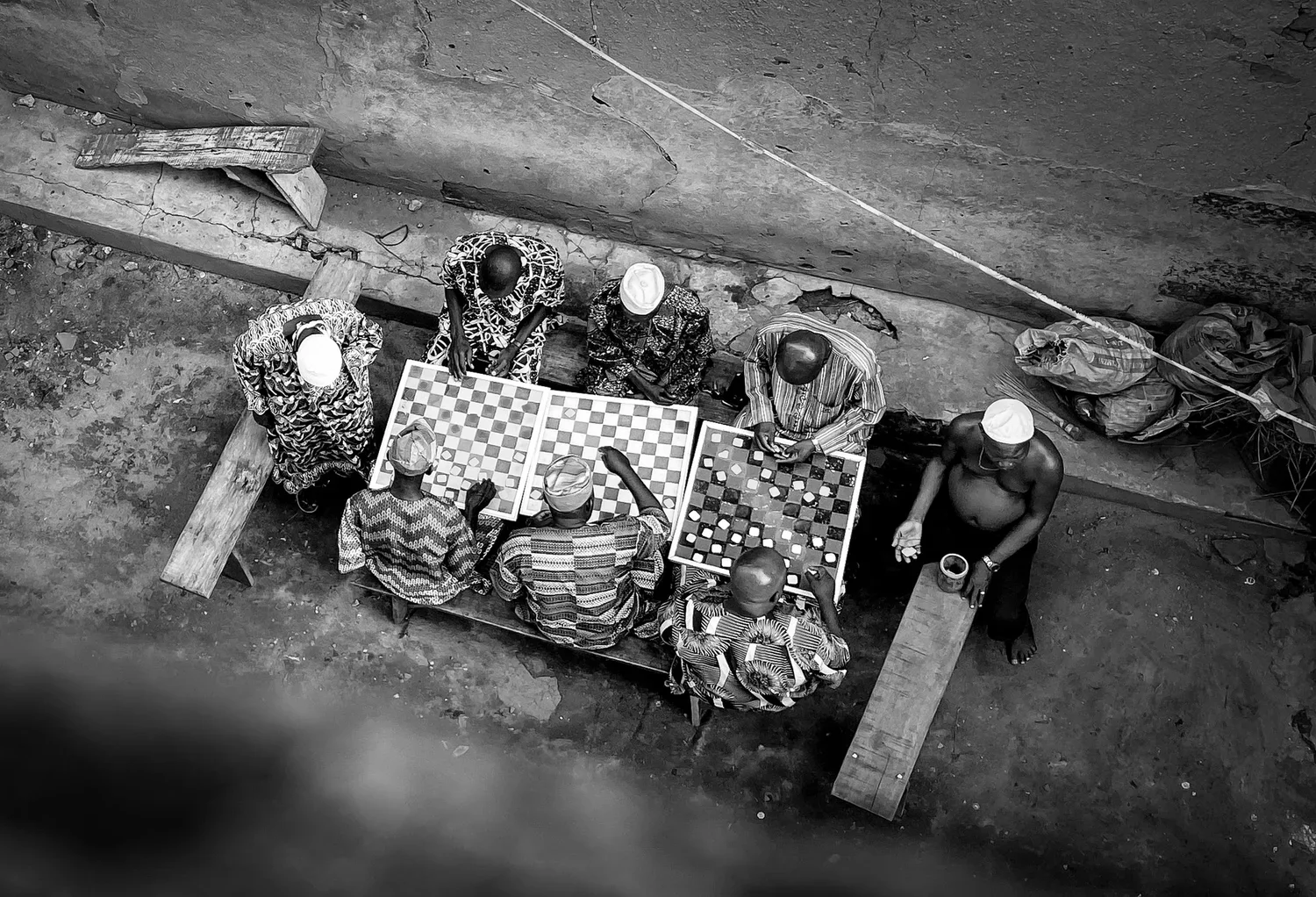
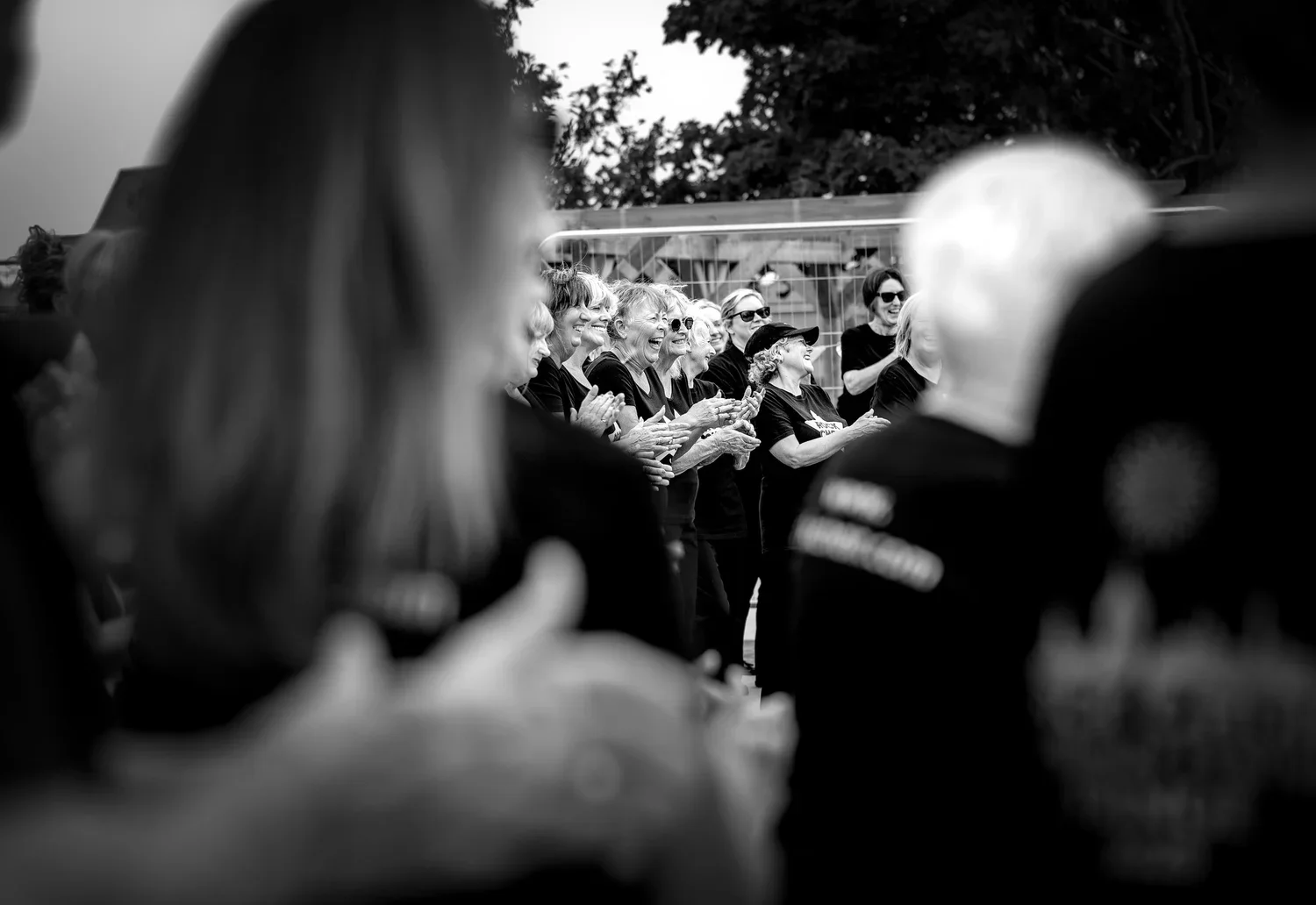
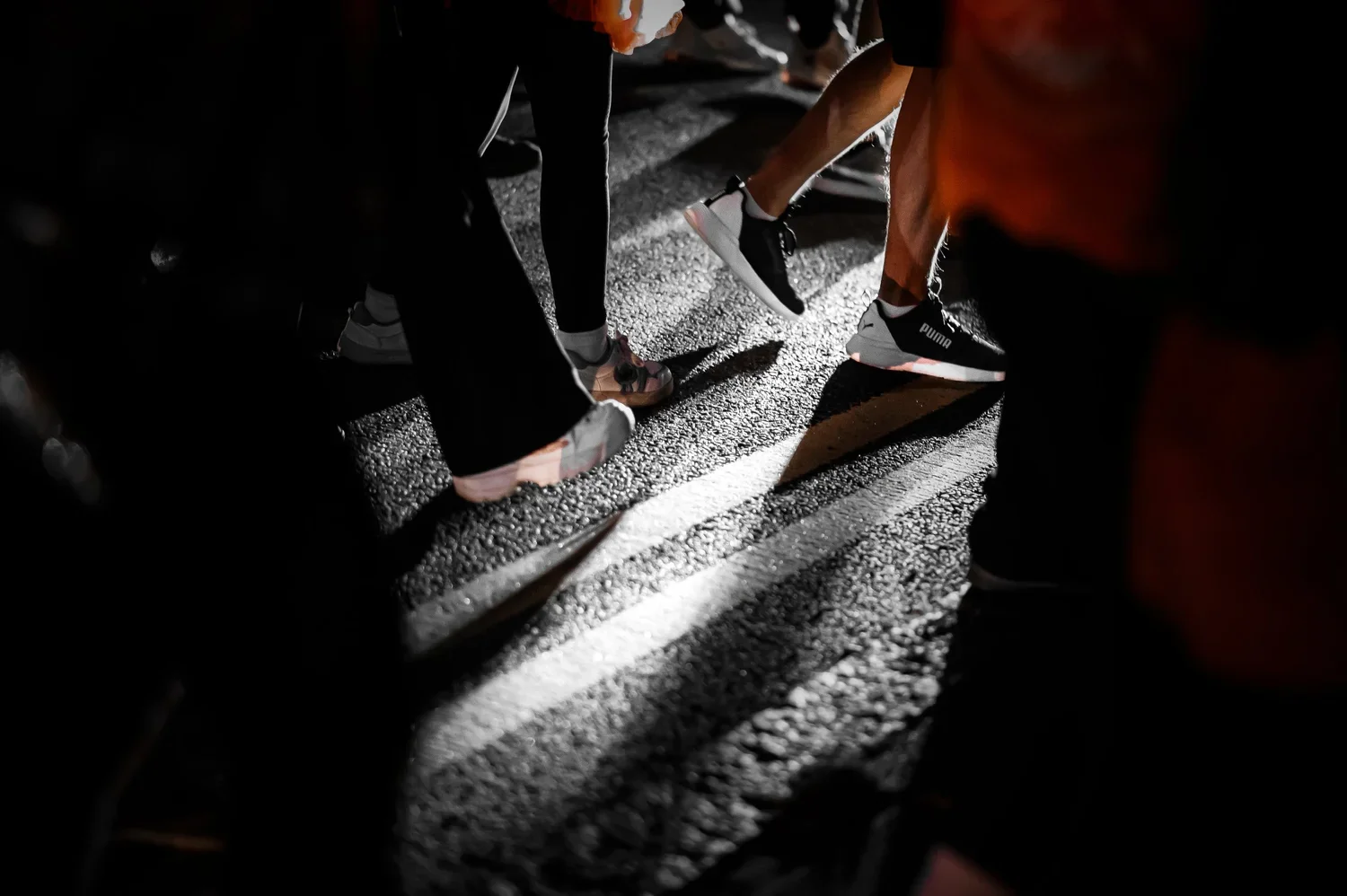
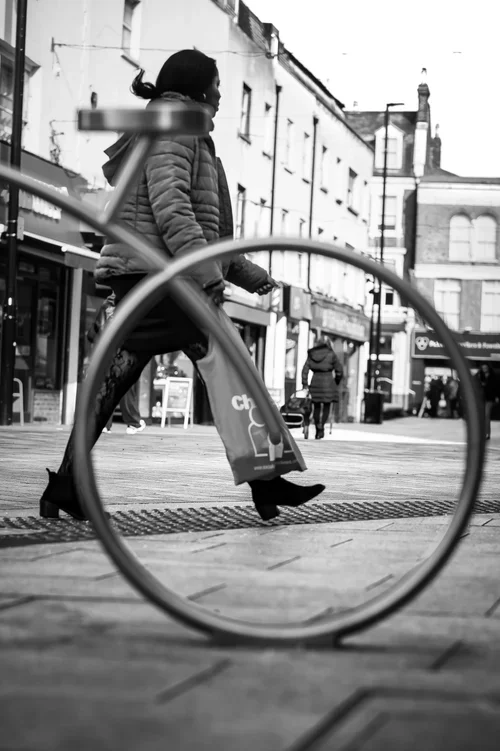
Photography works by Aduragbemi Okeyemi
Image courtesy of the artist
The Process: Fieldwork and Feeling
What does Aduragbemi enjoy most? Being outside.
“The best part is the fieldwork,” he says. “Going out with the camera, observing people, waiting for that unexpected moment. And then later, working with light and shadow in editing to bring out the feeling I had when I took it.”
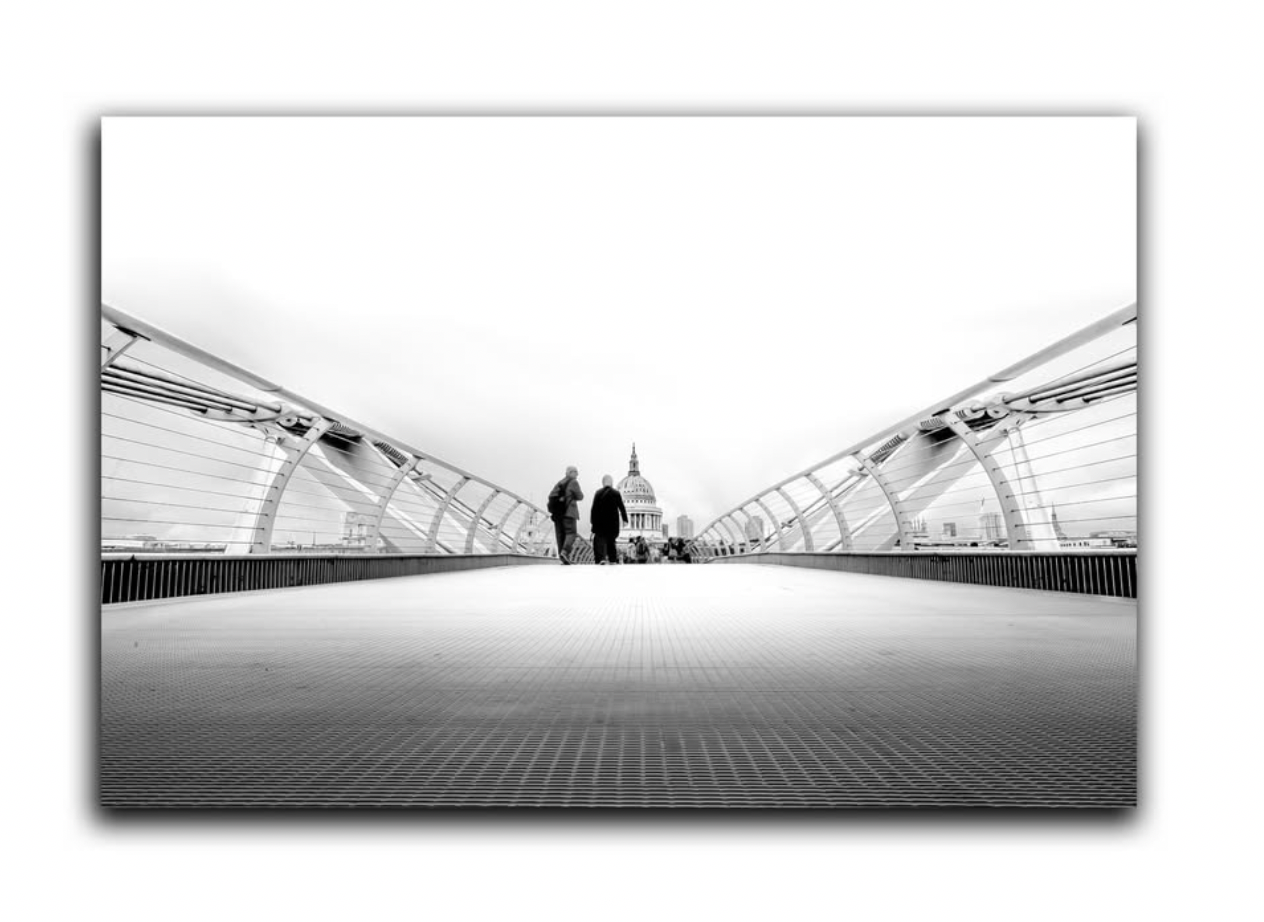
It is a process rooted in patience. With a Master’s in Graphic Design from the University for the Creative Arts in the UK, and as a member of the Royal Photographic Society, his technical skill is precise. But his approach remains intuitive. From St. Paul’s Cathedral framed by the leading lines of a modern drain, to The Shard rendered as a stark monument against a blackened sky, London is not a tourist city – it is a city of lines, light and human scale.
Not Chosen, But Found
Photography was not a career plan. Growing up in an artistic family, the camera was always present, but it was only after picking up his first DSLR that the medium truly chose him.
“I didn’t choose photography, photography chose me through practice,” he says. “It was the only medium where I found real peace.”
That peace is what viewers feel. Whether it is a couple walking towards St. Paul’s on the Millennium Bridge – in colour, a crowd; in black and white, a quiet love story – or the brutal geometry of The Shard catching the sun, his work reminds us that the city is still made of people, moments, and light.
Aduragbemi Okeyemi does not just document London and Lagos. He invites us to see them anew – not in colour, but in truth.
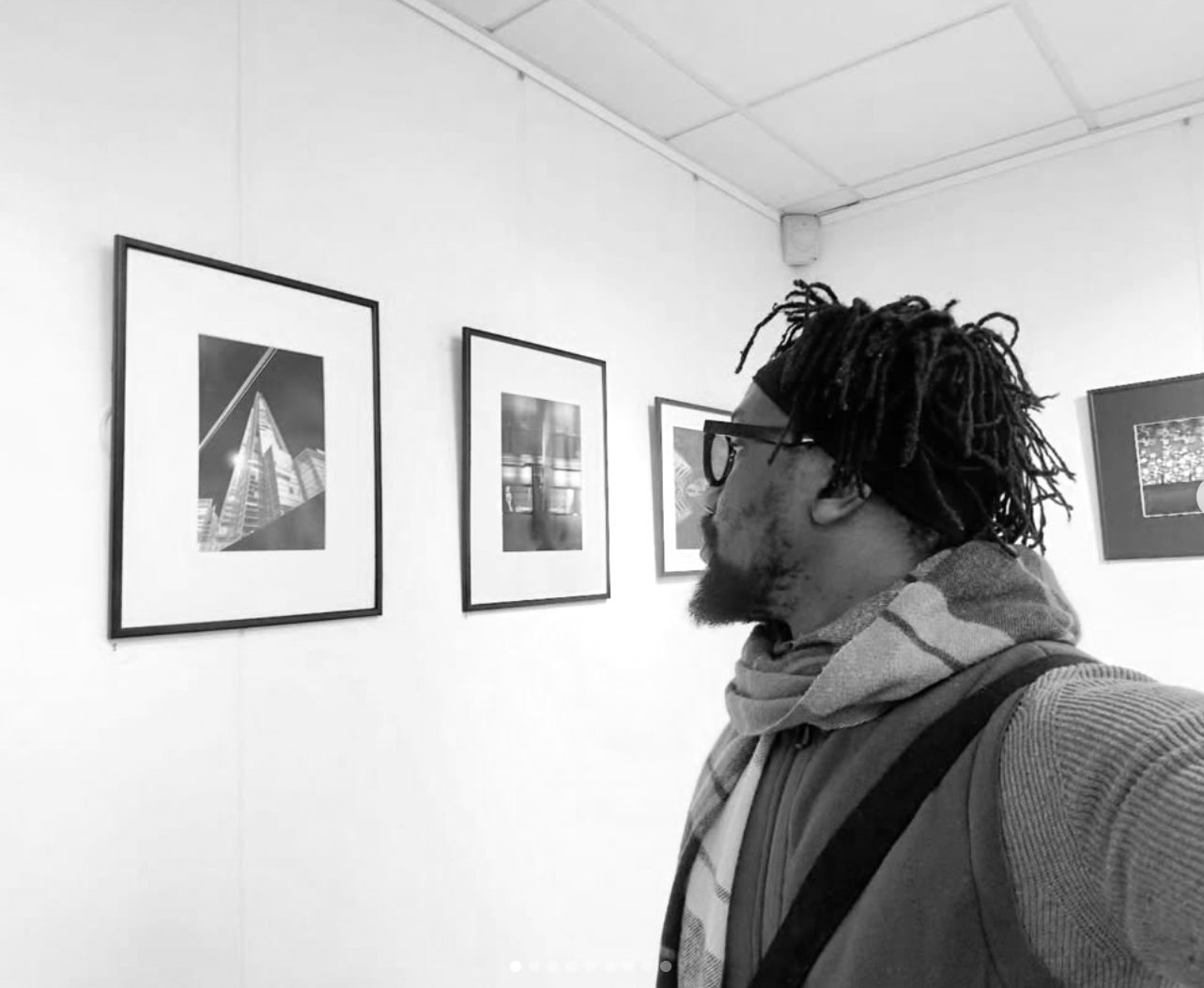
Aduragbemi Okeyemi
Image courtesy of the artist
Article by Asma Zainab
Asma Zainab is a contributing writer at Ambrose Creatives with a background in BS English Linguistics. She is a human-centric storyteller focusing on arts, culture, healthcare and community-driven stories, as well as handmade, jewelry and lifestyle brands. She believes in writing that makes people feel seen, safe and understood.